8 citations
,
October 2020 in “Clinical Psychopharmacology and Neuroscience” This case series found that low-frequency repetitive transcranial magnetic stimulation may benefit some patients with trichotillomania, although one of five patients experienced worsening symptoms after treatment.
 33 citations
,
January 2005 in “Dermatology”
33 citations
,
January 2005 in “Dermatology” This mini-review summarizes the Trichoscan as a sensitive tool for measuring hair growth parameters, demonstrating its effectiveness in detecting treatment response in androgenetic alopecia but noting some practical limitations.
4 citations
,
January 2018 in “Indian dermatology online journal” This case report found that dermoscopy, showing characteristic "comma" and "corkscrew" hairs, effectively identified tinea capitis in a 7-year-old girl, allowing for early treatment before confirmation with fungal culture.
 January 2008 in “Journal of The American Academy of Dermatology”
 Trichoscopy is a helpful and quick method to identify different types of hair loss in women.
 March 2026 in “Saudi Journal of Pathology and Microbiology”
 This case report from Qatar highlights the failure of traditional diagnostic approaches in a young woman with severe hair loss, emphasizing the potential benefits of DNA-guided nutrigenomics and the importance of compassionate communication in addressing psychosocial distress.
January 2022 in “Clinical Cases in Dermatology” This review discusses the characteristics, potential genetic components, and treatment options for trichotillomania, a psychiatric condition that involves compulsive hair pulling, without reporting new clinical results.
19 citations
,
June 2020 in “BMC Cancer” This study reported that genetic changes in trichilemmal carcinoma resemble those in other skin cancers, with TP53 mutations associated with aggressive clinical outcomes.
November 2024 in “Actas Dermo-Sifiliográficas” This review outlines current treatment strategies for trichotillomania, noting that while cognitive-behavioral therapy is effective, N-acetylcysteine and memantine are also recommended due to their safety and efficacy, though evidence for other drugs like fluoxetine and naltrexone remains limited.
 January 2013 in “Dermatologic Clinics”
 Hair disorders need a holistic approach, including medical, cosmetic, and psychological support.
 March 2026 in “Applied Sciences”
 In this scoping review, researchers observed that while AI-assisted trichoscopy holds promise for standardized assessments of hair and scalp disorders, its clinical translation is limited by small proprietary datasets, inconsistent validation protocols, and a scarcity of real-world clinical studies.
August 2025 in “Skin Appendage Disorders” This case study observed that in a child with spontaneous trichonodosis, topical minoxidil and gentle hair care improved hair length and strength over two years, suggesting a potential genetic predisposition for the disorder.
 1 citations
,
March 2022 in “Berkala Ilmu Kesehatan Kulit dan Kelamin/Berkala ilmu kesehatan kulit dan kelamin (Periodical of dermatology and venerology)”
1 citations
,
March 2022 in “Berkala Ilmu Kesehatan Kulit dan Kelamin/Berkala ilmu kesehatan kulit dan kelamin (Periodical of dermatology and venerology)” This case analysis found that trichoscopy is a valuable tool for diagnosing and monitoring treatment progress in tinea capitis by distinguishing between Microsporum and Trichophyton etiologies.
 3 citations
,
January 2019 in “International Journal of Trichology”
3 citations
,
January 2019 in “International Journal of Trichology” This article reviews common malpractices in the treatment of hair and scalp disorders, attributing them to autistic-undisciplined thinking, and reports no clinical findings.
37 citations
,
April 1977 in “Journal of Cutaneous Pathology” This study found that specific histologic features in skin biopsies can help support a diagnosis of traumatic alopecia (trichotillomania), but not all markers are distinct to the condition.
13 citations
,
January 2018 in “Skin Appendage Disorders” This study found that dermoscopy improves clinical diagnosis accuracy for trichostasis spinulosa and proposes a new dermoscopic classification with implications for treatment outcomes.
 April 2025 in “International Journal For Multidisciplinary Research”
 This study explores hypertrichosis, a condition of excessive hair growth, highlighting its classification, diagnostic methods, and potential treatments. The authors emphasize the importance of individualized approaches and further genetic research to enhance treatment options for this primarily cosmetic issue that can signal systemic diseases.
July 2024 in “Skin Appendage Disorders” This study reviews literature showing that trichotillomania significantly reduces quality of life and emphasizes that effective treatment requires an interdisciplinary approach involving dermatology and psychiatry to address its psychiatric component.
52 citations
,
October 1997 in “American Journal of Psychiatry” This discussion reviews the complexities of trichotillomania's symptoms, pathology, and treatment, but reports no new research findings; it highlights a specific illustrative case.
 June 1995 in “Archives of Dermatology”
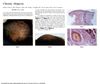
 This case report describes a 27-year-old woman with a family history of hair thinning and a 6-year history of alopecia on the scalp.
 May 2013 in “Faculty Opinions – Post-Publication Peer Review of the Biomedical Literature”
 Trichoscopy is better than trichogram for diagnosing early female hair loss.
July 2025 in “International Journal of Trichology” This study reported six pediatric cases of temporal triangular alopecia and highlighted the use of trichoscopy to distinguish it by detecting a distinctive carpet of vellus hair, helping to differentiate TTA from other hair loss conditions.
19 citations
,
March 1999 in “PubMed” This review discusses trichotillomania, its prevalence, and treatment options, emphasizing that many sufferers experience delays in treatment due to secrecy and shame, but reports no new research findings.
6 citations
,
October 2006 in “International Journal of Dermatology” This article discusses central trichoptilosis with onycholysis but provides no new clinical results.
 3 citations
,
December 2001 in “Irish Journal of Psychological Medicine”
3 citations
,
December 2001 in “Irish Journal of Psychological Medicine” This review discusses trichotillomania, its diagnosis, prevalence, potential brain abnormalities, and current treatment options, and offers no new clinical findings.
This journal review addresses the latest advancements in trichology and provides no new study findings.
 December 2024 in “Journal of Skin and Stem Cell”
 This review discusses the role of trichoscopy in diagnosing and managing various alopecia types, highlighting its ability to detect specific patterns in both scarring and non-scarring forms, thus aiding in treatment decisions and reducing biopsy necessity.
 November 2023 in “Journal of Dermatological Science”
 A new computer tool quickly measures hair thickness differences in people with common types of hair loss.
 September 2024 in “Quality in Sport”
 This study provides a comprehensive review of trichotillomania, focusing on its clinical symptoms, etiology, diagnostics, and treatment methods, while also addressing serious complications like trichobezoars and Rapunzel Syndrome.
 December 2025 in “TURKDERM”
 This article discusses Trikostazis spinuloza (TS), a dermatological condition often misdiagnosed, and reviews its demographic, clinical, and dermoscopic features, but reports no new clinical results.
 46 citations
,
April 2009 in “Journal of Dermatological Case Reports”
46 citations
,
April 2009 in “Journal of Dermatological Case Reports” This study established standard trichoscopy norms for adult white females, providing benchmarks for hair thickness, percentage of thin hairs, and pilosebaceous units with single hair across different scalp areas.