 January 2020 in “bioRxiv (Cold Spring Harbor Laboratory)”
 This study identified novel genetic variants in APOE ε4 non-carriers associated with Alzheimer's disease age-of-onset, linking them to regulatory mechanisms like the unfolded protein response in the pathology of Alzheimer's and other degenerative diseases.
 12 citations
,
May 2019 in “Molecular Medicine Reports”
12 citations
,
May 2019 in “Molecular Medicine Reports” This study demonstrated that Forsythiaside A improved survival and reduced neurological deficits in rats with cerebral ischemic injury, potentially through activating Nrf2 and reducing ER stress pathways.
January 2013 in “International Journal of Trichology” This case report describes a young girl with trichothiodystrophy and suggests the need for early diagnosis and multidisciplinary interventions for her educational challenges.
 September 2023 in “Medicina Estética Revista Científica de la Sociedad Española de Medicina Estética (SEME)”
 This research reported that the FDA approved Litfulo® (ritlecitinib) as the first oral treatment for severe alopecia areata in adolescents over 12 years old, with 23% of treated patients showing significant hair regrowth in clinical trials compared to 1.6% with placebo.
July 2024 in “Journal of Investigative Dermatology” A new test helps find drugs to treat head and neck cancer by targeting c-Rel.
 45 citations
,
January 2010 in “Journal of Veterinary Medical Science”
45 citations
,
January 2010 in “Journal of Veterinary Medical Science” This study identified a mutation in the keratin 71 gene that causes curly hair in certain rats, advancing our understanding of hair formation.

This study suggests that targeting the activation of transit-amplifying cell-derived progenitor cells may help prevent hair loss from chemotherapy and radiotherapy by promoting hair follicle regeneration.
 February 2026 in “Oncology Reviews”
 This review highlights the promising clinical outcomes of sacituzumab tirumotecan (sac-TMT), an antibody-drug conjugate for breast cancer that targets TROP2, demonstrating improved response rates and progression-free survival, with manageable safety concerns including primarily mild-to-moderate nausea and alopecia.
April 2020 in “The FASEB Journal” This study found that Rap1 deficiency in mice may lead to telomere shortening, DNA damage, and impaired mitochondrial function, contributing to cardiac aging and dysfunction.
January 2008 in “HAL (Le Centre pour la Communication Scientifique Directe)” This study identified complex regulatory elements and interactions involving the Hr gene and HR protein that are crucial for hair follicle formation and cycling in mammals.
July 2024 in “Journal of Investigative Dermatology” ITK inhibitors may effectively treat alopecia areata.
September 2026 in “Aging Cell” This study found that knocking down SFRP2 in an AGA model improved hair regeneration and reduced cellular dysfunction, suggesting that targeting the SFRP2-FSTL1 axis could be a promising therapeutic strategy for androgenetic alopecia.
224 citations
,
February 2013 in “The Journal of clinical investigation/The journal of clinical investigation” This study identifies SOX9 as a critical downstream effector of ERG in TMPRSS2:ERG fusion-positive prostate cancer, indicating its role in tumor invasion and growth.
6 citations
,
March 1996 in “Journal of Investigative Dermatology”  14 citations
,
June 2017 in “Immunity”
14 citations
,
June 2017 in “Immunity” This study found that skin-resident Treg cells regulate hair follicle stem cell proliferation and differentiation through the Jag1-Notch signaling pathway, influencing hair regeneration.
 April 2020 in “Research Square (Research Square)”
 This study reported genetic mutations in trichilemmal carcinoma similar to those found in other skin cancers, including TP53 mutations associated with aggressive disease.
This study found that P144 (Disitertide) significantly reduced collagen deposition and improved muscle organization in a rabbit model of post-radiotherapy fibrosis, suggesting potential antifibrotic effects.
 25 citations
,
November 2014 in “British Journal of Dermatology”
25 citations
,
November 2014 in “British Journal of Dermatology” This study found various ABC transporters are transcribed in human hair follicles, suggesting their possible role in HF biology and potential for new therapeutic interventions.

This research observed that removing RNase L in mice enhances regenerative capacity through increased IL-36 and wound-induced hair neogenesis, highlighting RNase L as a gene that represses regeneration by moderating immune responses during viral infections.
49 citations
,
April 2006 in “Journal of Investigative Dermatology” TRPV1 helps regulate hair growth cycles.
January 2004 in “Linchuang pifuke zazhi” In this study, all-trans retinoic acid was found to promote differentiation and inhibit proliferation of amelanotic melanocytes from human hair follicles, suggesting a potential role in melanogenesis.
 July 2022 in “The journal of investigative dermatology/Journal of investigative dermatology”
 In this study, researchers created a comprehensive transcriptome map of human hair follicle compartments, identifying compartment-specific genes and providing a resource for potential therapeutic interventions.
 133 citations
,
May 2016 in “Cell Host & Microbe”
133 citations
,
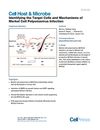
May 2016 in “Cell Host & Microbe” In this study, human dermal fibroblasts were identified as natural host cells that support productive Merkel cell polyomavirus infection, and the MEK antagonist trametinib was introduced as an effective inhibitor to control the virus.
January 2017 in “PRISM (University of Calgary)” This study identifies unique gene expression patterns in specialized fibroblasts within adult hair follicles, which advances understanding of their role in tissue regeneration.
 September 2025 in “Journal of the American Academy of Dermatology”
 Reducing SFRP1 can promote hair growth and may help treat hair loss.
This study concluded that the combination of all-trans-retinoic acid and tocopherol-α is not recommended for treating del(5q) myelodysplastic syndromes due to low efficacy and high incidence of adverse effects.
 4 citations
,
June 2025 in “Medeniyet Medical Journal”
4 citations
,
June 2025 in “Medeniyet Medical Journal” This review explores the role of the TMPRSS2 gene in facilitating SARS-CoV-2 infection and its potential as a therapeutic target in COVID-19 and other respiratory infections, highlighting challenges in developing selective inhibitors.
4 citations
,
February 2023 in “International Journal of Stem Cells” The FTO gene hinders stem cells in hair follicles from becoming pigment cells.
25 citations
,
March 2004 in “Regulatory Toxicology and Pharmacology” Using testosterone-stimulated weanling rats can effectively replace castrated rats for anti-androgen testing, reducing animal stress.
32 citations
,
March 2013 in “EMBO journal” This review discusses auxin's role in regulating plant growth through TOR activation and translation reinitiation but reports no new experimental findings.