 4 citations
,
October 2020 in “Journal of oral and maxillofacial surgery”
4 citations
,
October 2020 in “Journal of oral and maxillofacial surgery” This review discusses the use of Tisseel for stabilizing particulate grafts and reports no new clinical results; the authors emphasize the need for further controlled trials.
 March 2025 in “Journal of Science Natural Science”
 This study successfully synthesized acetyl tetrapeptide-3 on a laboratory scale with over 56% yield and 100% purity, supporting its use in developing hair loss and scalp care products.

This study found that protein hydrolysates from mealworms, especially those derived using flavourzyme, significantly enhance adipogenic differentiation in 3T3-L1 preadipocytes, suggesting their potential as sustainable ingredients for glycemic control, skin health, and tissue regeneration products.
 1 citations
,
December 2022 in “Journal of applied biological chemistry”
1 citations
,
December 2022 in “Journal of applied biological chemistry” This study found that TRP-hair essence significantly protected and improved the quality of human hair, particularly against heat stress, by enhancing cuticle health and maintaining hair color.
11 citations
,
January 1989 This case report describes two patients with trichothiodystrophy who exhibited a different pattern of hair protein composition changes, suggesting a subgroup of TTD characterized by partial loss of high-sulfur proteins without significant alteration in their amino acid composition.
August 2026 in “International Journal of Advanced Multidisciplinary Research and Studies” In this case study, a 15-year-old girl with multiple trichoepitheliomas on her face saw a 90% reduction in lesions after combined cryotherapy and topical tretinoin treatment, with no scarring or recurrence over four years.
39 citations
,
February 1990 in “The journal of cell biology/The Journal of cell biology” This study identified trichohyalin as an early differentiation marker in hair follicles, with potential structural roles related to alpha-helical formations, based on the partial characterization of its cDNA in sheep.
26 citations
,
January 1993 in “Dermatology” This report describes a new case of isolated trichothiodystrophy with characteristic brittle hair and suggests a simplified classification scheme for understanding sulfur-deficient hair disorders.
January 2023 in “Indian Dermatology Online Journal” This case report identifies a 23-year-old man with congenital triangular alopecia, a non-scarring alopecia characterized by preserved follicles and vellus hair, for which unnecessary interventions should be avoided.
July 2025 in “International Journal of Trichology” This study reported six pediatric cases of temporal triangular alopecia and highlighted the use of trichoscopy to distinguish it by detecting a distinctive carpet of vellus hair, helping to differentiate TTA from other hair loss conditions.
11 citations
,
March 2002 in “Pediatric Dermatology” Temporal triangular alopecia is a non-scarring hair loss seen in some Asian children.
September 2017 in “The journal of investigative dermatology/Journal of investigative dermatology” This study found that activating the hexosamine pathway increased hyaluronic acid secretion and hair follicle stem cell numbers in vitro, suggesting its role in modulating skin homeostasis.
143 citations
,
January 2012 in “Cell and Tissue Research” 22 citations
,
November 2022 in “Materials & Design” This study found that using a combination of Alginate-TEMPO-oxidized cellulose nanofiber-α-tocopherol membranes and Pluronic-α-tocopherol hydrogels facilitated better wound healing in diabetic rats through enhanced angiogenesis and no observable toxicity compared to using each treatment individually.
10 citations
,
January 1997 in “Dermatology” This case report details two siblings with trichothiodystrophy, identifying reduced hair sulfur content as essential for diagnosis despite varied symptoms complicating recognition.
13 citations
,
July 2012 in “International Journal of Trichology” In this study, the varied phenotype of trichothiodystrophy was highlighted, with findings of distinctive hair shaft abnormalities and a wide range of multisystem issues, including neurologic and urologic disorders.
 22 citations
,
March 1932 in “Journal of the American Medical Association”
22 citations
,
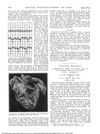
March 1932 in “Journal of the American Medical Association” This report describes eleven cases of thallium poisoning in individuals who consumed tortillas made from barley mixed with thallium sulphate, leading to symptoms including tingling, abdominal pain, vomiting, and limb weakness.
116 citations
,
April 1986 in “The journal of cell biology/The Journal of cell biology” This study reports that a 190,000 molecular weight protein, identified as trichohyalin, may play a matrix role in the development of inner root sheaths in hair follicles.
175 citations
,
December 1980 in “Archives of Dermatology” In this study, researchers examined two new cases of trichothiodystrophy and observed that the condition is linked to decreased synthesis of high-sulfur matrix proteins in hair.
 April 2025 in “Antioxidants”
 In this study, the researchers found that the water-soluble fraction of Rhus semialata gall extract and its component Penta-O-Galloyl-β-D-Glucose promoted hair growth in human dermal papilla cells, and clinical trials supported these findings, showing improved hair density and appearance compared to placebo.
30 citations
,
August 2008 in “The journal of investigative dermatology/Journal of investigative dermatology” This study suggests that TGase 3 may contribute to hair fiber scaffolding by forming specific isopeptide bonds between keratin intermediate filaments and keratin-associated proteins.

This study demonstrated that cryogelation of human hair keratin allows the development of 3D scaffolds with tunable properties, supporting cell adhesion and proliferation for potential biomedical applications.
 January 2015 in “Durham e-Theses (Durham University)”
 This study found that glucose starvation and hypoxia are physiological triggers of ER stress in in vitro differentiated adipocytes, rather than high concentrations of saturated fatty acids, cholesterol, or proinflammatory cytokines.
January 2026 in “Journal of Materials Chemistry B” In this study, researchers developed a delivery system using a deep eutectic solvent to improve hydroxytyrosol absorption for hair regrowth, achieving over threefold greater skin penetration compared to aqueous solutions and demonstrating its effectiveness and biocompatibility in hair regrowth and ROS-scavenging tests.
2 citations
,
January 2018 in “International Journal of Trichology” This case report describes trichothiodystrophy in two sisters with only hair fragility, illustrating the condition's variable presentation and the importance of regular monitoring for potential associated impairments.
October 2012 in “한국미용학회지” This study reported that stress in early life negatively impacted hair growth in mice at older ages, while Tremella fuciformis Berk extracts partially protected against these effects.
63 citations
,
May 2015 in “PloS one” This study found that GALT5 and GALT2 are redundant enzymes essential for O-glycosylation of AGPs, with mutations leading to significant growth and development defects in plants.
10 citations
,
March 1997 in “Pediatric Dermatology” This case report describes a patient with trichothiodystrophy presenting with autism, mental retardation, and seizures, characterized by distinct hair abnormalities under microscopy.
 8 citations
,
April 1965 in “Archives of biochemistry and biophysics”
8 citations
,
April 1965 in “Archives of biochemistry and biophysics” This study found that sheep wool follicles actively oxidize acetate and glucose, suggesting the involvement of the TCA cycle for compound synthesis and the potential role of the pentose phosphate pathway in ribose production for RNA and DNA.
 61 citations
,
September 2016 in “NPG Asia Materials”
61 citations
,
September 2016 in “NPG Asia Materials” This study developed thermo-reversible glycol chitosan hydrogels that effectively form and maintain 3D cell spheroids within one day, offering a simplified method for creating biologically realistic cultures for tissue regeneration and drug screening applications.