 19 citations
,
January 2016 in “Dermatology Research and Practice”
19 citations
,
January 2016 in “Dermatology Research and Practice” This study observed that telogen effluvium was the most common form of acquired alopecia among females in a semiurban Indian population, with stress and chemical exposure as major exacerbating factors.
 May 2009 in “Endocrinologist”
 This study found that female pattern hair loss is more common in women with thyroid disease and is associated with the duration of the disease, while alopecia areata is not more frequent.
July 2024 in “Journal of Investigative Dermatology” Low-dose oral minoxidil is safe for alopecia patients, even those prone to edema.
 63 citations
,
March 1995 in “International Journal of Dermatology”
63 citations
,
March 1995 in “International Journal of Dermatology” Some drugs can cause hair loss, and stopping these drugs often leads to hair regrowth.
1 citations
,
June 2025 in “Journal of Clinical Medicine” This study reported that frontal fibrosing alopecia predominantly affects postmenopausal women and identified potential risk factors like frequent β-blocker use and sunscreen application, indicating the need for further research.
 March 2023 in “European journal of internal medicine”
 This case study highlights a delayed diagnosis of Sheehan's syndrome in a woman with post-partum hemorrhage history, emphasizing the importance of considering non-specific symptoms and menstrual history for diagnosis.
 January 2011 in “Elsevier eBooks”
 Alopecia in animals can be hereditary, congenital, or acquired, with treatments and outcomes varying widely.
 6 citations
,
February 1974 in “The BMJ”
6 citations
,
February 1974 in “The BMJ” The document concludes that scalp disorders can be treated with hair washing, specific shampoos, medications, and sometimes surgery or hair transplants, but hereditary baldness is untreatable.
 4 citations
,
November 2009 in “Medical Clinics of North America”
4 citations
,
November 2009 in “Medical Clinics of North America” This article discusses how changes in hair and nails may indicate systemic diseases, but it provides no new results; the authors emphasize their usefulness in clinical diagnosis.
July 2023 in “Indian Journal of Endocrinology and Metabolism” This case study reports that carbimazole therapy led to significant hair regrowth and a drop in thyrotropin receptor antibody levels in an 11-year-old girl diagnosed with alopecia areata and Graves' disease.
 March 2016 in “Indian Journal Of Applied Research”
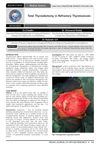
 This report presents a case of refractory thyrotoxicosis where the patient required a total thyroidectomy after resistance to conventional treatments including antithyroid drugs and radioactive iodine.
 January 2006 in “Elsevier eBooks”
 Cats with Feline Symmetrical Alopecia can regrow hair with proper treatment based on the specific cause, including diet, medication, or stress management.
 October 2025 in “World Journal of Biology Pharmacy and Health Sciences”
 This review highlights the role of sex hormones in skin health, observing that hormonal changes throughout a woman's life can affect skin conditions such as acne and hair loss, with treatments involving hormonal therapies and the importance of a multidisciplinary approach.
April 2025 in “Cermin Dunia Kedokteran” This review on Graves' disease explains its major role in causing hyperthyroidism, details genetic, environmental, and immunological risk factors, diagnoses, treatment options like anti-thyroid medications, and highlights potential complications such as ophthalmopathy and cardiovascular issues, noting prognosis varies by age.
 2 citations
,
February 2014 in “Journal of the European Academy of Dermatology and Venereology”
2 citations
,
February 2014 in “Journal of the European Academy of Dermatology and Venereology” This letter reports three cases of diffuse hair loss linked to hyperprolactinaemia but does not present new research findings.
 1 citations
,
January 2006 in “Elsevier eBooks”
1 citations
,
January 2006 in “Elsevier eBooks” Cats lose fur due to various reasons, including allergies, infections, genetics, hormones, diet, cancer, stress, and some conditions are treatable while others are not.
 November 2024 in “Huisarts en Wetenschap”
 Telogen effluvium hair loss often resolves on its own in 3 to 6 months, but see a dermatologist if it persists.
April 2006 in “Pediatrics in Review” This review covers the diagnosis and management of childhood Graves disease, emphasizing treatment options such as antithyroid medications, radioiodine therapy, and surgical thyroidectomy, and highlights the necessity for lifelong follow-up.
January 2024 in “Indian Journal of Pharmacy Practice” This study examined 142 patients with subclinical thyroid disorders and found a high incidence of comorbidities like renal diseases. Researchers reported that good medication adherence was associated with better quality of life, indicating a significant relationship between adherence and quality of life.
 January 2026 in “Zenodo (CERN European Organization for Nuclear Research)”
 In this case study, a 41-year-old woman with a solitary thyroid nodule was found to have a benign colloid goiter after biopsy, and she successfully underwent right hemithyroidectomy with good postoperative recovery and management of symptoms using various supportive medications.
12 citations
,
January 2017 in “PubMed” This case study reports a possible link between gastroparesis and reduced absorption of thyroxine, leading to persistent hypothyroidism despite increased medication doses.
 January 2007 in “Journal of The American Academy of Dermatology”
 Propylthiouracil, a thyroid medication, can cause skin blood clots and immune-related blood vessel inflammation.
 22 citations
,
June 2005 in “Clinical Oncology”
22 citations
,
June 2005 in “Clinical Oncology” This case report documents an instance of symptomatic hypothyroidism developing in a patient with papillary thyroid carcinoma after beginning treatment with orlistat.
 6 citations
,
October 2018 in “Drug safety - case reports”
6 citations
,
October 2018 in “Drug safety - case reports” In this report, two women treated with alitretinoin experienced persistent curling of their previously straight hair, suggesting a likely causal link between the medication and hair texture changes.
 6 citations
,
January 2015 in “Indian Dermatology Online Journal”
6 citations
,
January 2015 in “Indian Dermatology Online Journal” This study observed that an overdose of levothyroxine in a hypothyroid infant led to rapid hair loss, which improved after reducing the medication dose.
2 citations
,
February 2016 in “Düşünen Adam” This case report suggests that venlafaxine may cause hair loss in some patients, as demonstrated by a patient whose hair loss ceased after stopping the medication.
 April 2026 in “International Journal of Ayurveda and Pharma Research”
 In this case report, a 42-year-old woman with hypothyroidism showed improvement in symptoms like fatigue and hair loss after following an Ayurvedic regimen including Kunjal Kriya, Yoga, and diet changes alongside her regular medication, though further clinical studies are recommended to validate these findings.
 November 2024 in “Indian Journal of Animal Health”
 In this case report, a 7-year-old Labrador with chronic alopecia, weight gain, and dermatitis, was diagnosed with hypothyroidism and treated with levothyroxine and other medications. Improvement, characterized by reduced skin lesions, was observed after two months.
 October 2024 in “Journal of the Endocrine Society”
 A woman experienced fluctuating thyroid conditions and eye disease, but her symptoms improved with treatment.
 39 citations
,
October 1967 in “British Journal of Dermatology”
39 citations
,
October 1967 in “British Journal of Dermatology” Hair loss in women often doesn't follow a pattern, isn't linked to age, may be genetic, and can be related to thyroid issues or other health factors.