March 2026 in “Journal of Cosmetic Dermatology” Topical Stemoxydine improves hair density in androgenetic alopecia with few side effects.
 18 citations
,
March 2016 in “Cosmetics”
18 citations
,
March 2016 in “Cosmetics” This review discusses telogen effluvium, including its triggers, clinical presentations, and management options, and does not report new research findings, emphasizing the need for identification and exclusion of underlying causes.
 1 citations
,
September 2017 in “Journal of Investigative Dermatology”
1 citations
,
September 2017 in “Journal of Investigative Dermatology” This study reported that introducing the TERT and Bmi1 genes into mouse dermal papilla cells resulted in immortal cells capable of inducing new hair follicles in vivo, and human immortal DPCs were also developed.
 March 2023 in “International Journal of Biomedicine”
 This review discusses telogen effluvium, including its causes, symptoms, diagnostic methods, and treatment strategies, without presenting new clinical findings.
 July 2018 in “Elsevier eBooks”
 This review discusses telogen effluvium, a common form of hair loss, and reports no new clinical results; the authors outline possible causes, typical prognosis, and management strategies.
 September 2017 in “Journal of Investigative Dermatology”
 Certain products and treatments can improve hair health and growth.
 September 2017 in “Journal of Investigative Dermatology”
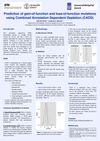
 In this study, a topical combination of Stemoxydine® and Resveratrol significantly increased hair density in women with female pattern hair loss after 12 weeks of use.
 1 citations
,
September 2017
1 citations
,
September 2017 This study found that the combination of Stemoxydine® and Resveratrol improved hair density in women with Female Pattern Hair Loss.
 September 2017 in “Journal of Investigative Dermatology”
 This study found that fermented mackerel oil increased hair growth by promoting dermal papilla cell proliferation and cell cycle progression through wnt/β-catenin signaling activation in vibrissa follicles.
 September 2017 in “Journal of Investigative Dermatology”
 This study found that mackerel fermented fish oil protected human keratinocyte cells from UVB-induced oxidative stress by scavenging free radicals and reducing cellular damage.
 September 2017 in “Journal of Investigative Dermatology”
 This study found that after four weeks of daily use, the roughness of the hair surface significantly decreased, as shown through quantitative image analysis using HIROX.
133 citations
,
November 2018 in “Aging” This study identified Azithromycin and Roxithromycin as novel senolytic antibiotics that effectively target and reduce senescent human fibroblast cells.
 53 citations
,
February 2020 in “Expert Opinion on Pharmacotherapy”
53 citations
,
February 2020 in “Expert Opinion on Pharmacotherapy” This review discusses pharmacologic and non-pharmacologic treatments for androgenetic alopecia, noting that current medications like finasteride and minoxidil can slow hair loss but only partially restore hair growth, with early treatment offering better outcomes.
 24 citations
,
January 2021 in “Dermatologic Therapy”
24 citations
,
January 2021 in “Dermatologic Therapy” This review found that platelet-rich plasma therapy improved hair growth and thickness in most studies on alopecia, with the highest improvement seen when combined with Minoxidil.
 14 citations
,
January 2015 in “Current problems in dermatology”
14 citations
,
January 2015 in “Current problems in dermatology” This review addresses treatment approaches for female pattern hair loss, highlighting that combining different therapies may be more effective than single treatments, but no new results are reported.
 1 citations
,
January 2017 in “Elsevier eBooks”
1 citations
,
January 2017 in “Elsevier eBooks” This article reviews various hair growth and hair loss treatments, noting limited new developments since FDA-approved drugs but highlights recent cosmetic surgery and potential cell-based therapies; it reports no original findings.
 January 2025 in “Indian Journal of Unani Medicine”
 This case study observed that a Unani medicine regimen significantly improved hair shedding and quality of life in a 24-year-old female with Telogen Effluvium following a febrile illness, showing potential effectiveness and safety in this context.
 60 citations
,
June 1997 in “Drugs & Aging”
60 citations
,
June 1997 in “Drugs & Aging” Mitoxantrone with a corticosteroid helps manage symptoms for some advanced prostate cancer patients but doesn't extend life.
February 2006 in “PubMed” In this study, docetaxel combined with prednisone significantly extended survival by about 2.5 months in men with hormone-resistant metastatic prostate cancer compared to mitoxantrone plus prednisone, despite the potential for severe adverse effects.
9 citations
,
April 1970 in “Biochemical pharmacology” This study found that stilbamidine and hydroxystilbamidine can inhibit the release of specific enzymes from lysosomes and mitochondria in rabbit liver at certain concentrations, with effects similar to cortisol and chloroquine.
 15 citations
,
September 2008 in “Archives of Dermatological Research”
15 citations
,
September 2008 in “Archives of Dermatological Research” In this study, topical 5% roxithromycin was effective in restoring hair growth in about half of individuals with androgenetic alopecia without causing adverse effects.
 24 citations
,
July 1983 in “Clinical and Experimental Dermatology”
24 citations
,
July 1983 in “Clinical and Experimental Dermatology” Tigason improved hair growth in a boy with monilethrix without side effects.
7 citations
,
August 2010 in “Medicinal Chemistry Research” This study found that some synthesized 17-oximino-5-androsten-3β-yl esters demonstrated stronger cytotoxicity and antiandrogenic activity against prostate cancer cells than finasteride.
 5 citations
,
October 2020 in “Brain Research Bulletin”
5 citations
,
October 2020 in “Brain Research Bulletin” This study found that etifoxine pretreatment reduced neuroinflammation and improved cognitive function in LPS-induced neuroinflammation in mice, potentially through increased neurosteroid synthesis and reduced apoptosis.
 January 2026 in “RSC Advances”
 This study used a zebrafish model and advanced mass spectrometry to identify 11 metabolites of epristeride, revealing significant effects on purine metabolism and aromatic amino acid biosynthesis, which may aid in developing anti-doping detection methods.
4 citations
,
December 2024 in “European Journal of Medicinal Chemistry” This study reported the development of new pyrazole-based MPC inhibitors that effectively inhibit mitochondrial pyruvate transport, showing potential as therapeutic candidates for conditions like metabolic dysfunction-associated steatohepatitis without activating PPARγ.
 111 citations
,
August 2002 in “Journal of Medicinal Chemistry”
111 citations
,
August 2002 in “Journal of Medicinal Chemistry” This study reports that 2-(1-Adamantyl)-4H-thiochromen-4-on-6-O-sulfamate is the most potent steroid sulfatase inhibitor identified so far, exhibiting 170-fold higher activity than the lead compound estrone sulfamate.
 June 2026 in “Digital Commons - PCOM (Philadelphia College of Osteopathic Medicine)”
 This study observed that a 24-hour pre-treatment with MitoQ significantly protected H9c2 myoblasts from doxorubicin-induced damage while enhancing doxorubicin's effectiveness in prostate cancer cells, outperforming dexrazoxane's effects without compromising the anti-cancer efficacy.
13 citations
,
January 1997 in “Biochemical Pharmacology” This study found that human liver dehydroepiandrosterone sulfotransferase (DHEA ST) catalyzes the sulfate conjugation of minoxidil, indicating another pathway contributing to its metabolism in humans.
 80 citations
,
August 1991 in “The journal of allergy and clinical immunology/Journal of allergy and clinical immunology/The journal of allergy and clinical immunology”
80 citations
,
August 1991 in “The journal of allergy and clinical immunology/Journal of allergy and clinical immunology/The journal of allergy and clinical immunology” This study found that low-dose methotrexate significantly reduced the steroid requirement in subjects with corticosteroid-requiring asthma without altering their clinical status or causing significant complications.