 January 2026 in “Zenodo (CERN European Organization for Nuclear Research)”
 This study evaluated the effectiveness of three formulated hair conditioners—Herbal, Synthetic, and Ayurvedic—using organoleptic and physicochemical tests like pH, Dirt Dispersion, and Stability, with the main aim to develop a product that meets user compliance and desired hair care effects.
 October 2025 in “Current Pharmaceutical Research”
 This study evaluated a new herbal shampoo made from traditional plants and found it to have effective cleansing properties, moderate foam stability, and environmental safety, suggesting it as a favorable natural alternative to synthetic shampoos.
 April 2024 in “Pharmacognosy research”
 In this study, researchers developed a herbal hair dye using henna and other natural ingredients that achieved a color similar to natural black on blonde hair, though further testing on various hair shades is needed to explore its full benefits.
 May 2023 in “Tạp chí Y Dược học Cần Thơ”
 In this study, researchers assessed the effects of a shampoo containing pomelo peel essential oil and Bồ Kết on hair growth in shaved white mice, finding it promoted faster, longer, and denser hair growth compared to untreated mice.
April 2019 in “Journal of Drug Delivery and Therapeutics” In this study, researchers developed poly herbal shampoo formulations using natural herbs like Ashwagandha and Amla, which showed effective hair care benefits including strengthening hair growth and preventing dandruff while maintaining safe pH and foaming capacity; however, stability studies for these formulations are needed.
 May 2026 in “International Research Journal of Modernization in Engineering Technology and Science”
 This study developed an herbal shampoo using traditional plant ingredients, demonstrating its effective cleansing, conditioning, and protective properties while minimizing synthetic chemicals, aligning with consumer preferences for natural and sustainable personal care products.
 June 2025 in “International Journal of Environmental Sciences”
 In this study, researchers developed an herbal shampoo using extracts from multiple plants and observed that specific combinations effectively inhibited bacteria like Pseudomonas aeruginosa and Staphylococcus species, with certain formulations also being well-received by consumers for color and overall satisfaction.
 April 2025 in “International Journal of Advanced Research in Science Communication and Technology”
 This study developed a herbal shampoo using Reetha, Amla, Neem, Bringraj, Jatamanasi, and Aloe vera, reporting that the shampoo met pharmacognostical standards and showed increased hair growth activity, excellent washing and conditioning effects at 1% concentration, and stability with no skin irritation.
 October 2024 in “International Journal of Life Science Research Archive”
 This study formulated and evaluated a laboratory-scale herbal shampoo using natural ingredients like Ficus Religiosa and Aloevera, reporting good cleansing, froth stability, and ideal physicochemical properties, though further development is needed to enhance product performance and safety.
 March 2024 in “International Journal of Advanced Research in Science, Communication and Technology”
 This review discusses the formulation and evaluation methods of herbal shampoos, highlighting various ingredients and their potential benefits for hair care, but reports no new clinical findings.
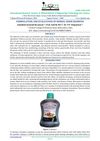 January 2024 in “International Research Journal of Modernization in Engineering Technology and Science”
 This study formulated a poly-herbal shampoo using ingredients like hibiscus, neem, and alo-vera and evaluated its cosmetic properties, reporting positive organoleptic and physico-chemical characteristics, with the potential for safe use as a hair cleansing and conditioning product.
 July 2023 in “International journal of current research in chemistry and pharmaceutical sciences”
 In this study, researchers formulated a herbal shampoo using traditional ayurvedic herbs and reported that it may serve as a natural and effective alternative to synthetic shampoos for cleaning and managing hair, emphasizing the growing preference for herbal products over chemical ones.
September 2026 in “Zenodo (CERN European Organization for Nuclear Research)” This study found that the formulated polyherbal shampoo is a safe, stable, and effective natural alternative for routine hair care, offering good cleansing, conditioning, and protection without causing skin irritation.
September 2026 in “Zenodo (CERN European Organization for Nuclear Research)” This study concluded that the formulated polyherbal shampoo using natural ingredients is safe, stable, and effective for hair care, showing good cleansing, conditioning, and nourishment properties as a natural alternative to synthetic shampoos.
 August 2026 in “Zenodo (CERN European Organization for Nuclear Research)”
 In this study, a polyherbal shampoo formulated with extracts of Reetha, Fenugreek, and Nagarmotha was evaluated for its physicochemical properties, showing effective dirt dispersion, high foam stability, and satisfactory washing capacity, though further research on stability and safety is needed for commercialization.
 August 2026 in “Zenodo (CERN European Organization for Nuclear Research)”
 This study evaluated a polyherbal shampoo formulation with natural extracts and reported satisfactory physicochemical and performance characteristics, suggesting its potential as a safe and effective herbal hair cleanser.
 August 2026 in “World Journal of Pharmaceutical Research”
 This study explored the development and evaluation of a tablet-form herbal shampoo formulated with natural ingredients like Shikakai, Reetha, and Amla, which reportedly enhance hair shine, growth, and root strength without side effects, offering an environmentally friendly alternative to conventional shampoos.
 August 2026 in “World Journal of Pharmaceutical Research”
 This study explored the creation and assessment of a tablet-form herbal shampoo made with natural ingredients such as Shikakai, Reetha, and Amla, reportedly improving hair shine, growth, and strength of roots without side effects, offering an eco-friendly alternative to conventional shampoos.
 July 2026 in “International journal of research in pharmacy and life sciences.”
 This study formulated and evaluated a polyherbal anti-dandruff shampoo, demonstrating it had good cleansing properties, antimicrobial activity against dandruff-causing microbes, and remained physically stable, potentially offering a safe and effective herbal alternative for dandruff management.
 July 2026 in “Zenodo (CERN European Organization for Nuclear Research)”
 In this study, a herbal shampoo using bael extract was formulated and found to have good cleansing efficiency and stable properties, suggesting it as a safe and eco-friendly alternative to synthetic shampoos with potential benefits for scalp health.
 July 2026 in “Zenodo (CERN European Organization for Nuclear Research)”
 In this study, a bael-based herbal shampoo formulation demonstrated effective cleansing, foaming ability, and stability, with antimicrobial properties that may benefit scalp health, positioning it as a promising natural alternative to synthetic shampoos.
July 2026 in “International Journal of Pharmacognosy and Pharmaceutical Research” In this study, researchers developed and tested an herbal shampoo using natural ingredients like thuja, reetha, moringa, aloe vera, and hibiscus, finding it had satisfactory foaming, cleansing, conditioning, and stability properties, suggesting it could be a safe and sustainable alternative to conventional shampoos.
June 2026 in “DOAJ (DOAJ: Directory of Open Access Journals)” This study developed an SLS-free, plant-based anti-dandruff shampoo with favorable characteristics including effective antifungal properties and consumer appeal, suggesting it as a viable alternative to synthetic products.
 June 2026 in “Zenodo (CERN European Organization for Nuclear Research)”
 In this study, researchers developed a plant-based, SLS-free anti-dandruff shampoo with optimal cosmetic properties and antifungal effectiveness, reporting its potential as a safe and biodegradable alternative to synthetic products.
 June 2026 in “Zenodo (CERN European Organization for Nuclear Research)”
 In this study, researchers formulated a natural poly-herbal baby shampoo with ingredients like Amla and Soapnut, demonstrating it to be a mild, effective cleansing and conditioning option for infants, offering a gentle alternative to synthetic shampoos without causing irritation.
 June 2026 in “Zenodo (CERN European Organization for Nuclear Research)”
 This study developed and evaluated a poly-herbal baby shampoo using natural ingredients and found it to be an effective and gentle alternative to synthetic shampoos, offering cleansing and conditioning benefits suitable for infants' sensitive scalps.
 May 2026 in “Zenodo (CERN European Organization for Nuclear Research)”
 In this study, researchers developed a polyherbal antidandruff shampoo using medicinal plant extracts and found it exhibited significant antioxidant and antimicrobial properties, including activity against bacteria and fungi linked to scalp infections, suggesting it as a natural alternative to synthetic shampoos.
 May 2026 in “Zenodo (CERN European Organization for Nuclear Research)”
 This study found that the polyherbal anti-dandruff shampoo formulated from medicinal plants like Azadirachta indica and Hibiscus rosa-sinensis demonstrated significant antioxidant and antimicrobial activities, including effects against dandruff-causing microorganisms, suggesting it could be a natural alternative to synthetic shampoos.
 April 2026 in “Zenodo (CERN European Organization for Nuclear Research)”
 This study aims to formulate and evaluate a new trio pack consisting of shampoo, conditioner, and serum with botanical extracts, targeting hair and scalp maintenance and growth, as such a comprehensive formulation is currently not available in the market.
 March 2026 in “International Journal of Pharmaceutics and Drug Analysis”
 This study formulated an herbal anti-dandruff shampoo using jackfruit seed extract and evaluated its effectiveness against Malassezia furfur, finding that the fourth formulation exhibited both strong antifungal activity and stability, suggesting a natural alternative to synthetic hair care products.