18 citations
,
April 2011 in “Neuropharmacology” This study found that metyrapone and etomidate provide dose-dependent anticonvulsant effects against seizures, with delayed effectiveness linked to increased neurosteroid levels.
52 citations
,
July 1998 in “Urology” This study found that liarozole is more effective than cyproterone acetate for improving PSA response and survival in metastatic prostate cancer after first-line endocrine therapy, while maintaining quality of life.
 April 2023 in “The journal of investigative dermatology/Journal of investigative dermatology”
 This study found that treatment with ritlecitinib led to significant scalp hair regrowth in patients with alopecia areata at Weeks 24 and 48, with higher response rates observed in those receiving 50 mg compared to 30 mg doses.
16 citations
,
April 2006 in “Pediatrics International” This study reported that high-dose mizoribin therapy may be effective and safe for managing steroid-dependent pediatric systemic lupus erythematosus but requires monitoring of serum uric acid levels due to potential side effects.
 24 citations
,
May 2015 in “Schizophrenia Research”
24 citations
,
May 2015 in “Schizophrenia Research” This study found that inhibiting the enzyme 5α-reductase with finasteride counteracted stress-induced prepulse inhibition deficits in socially isolated rats by altering neuroactive steroid concentrations in the brain.
1 citations
,
October 2019 in “Epileptic disorders” In this case report, a 13-year-old girl with Pitt-Hopkins syndrome developed hair curling after starting the antiepileptic drug perampanel, which had not been previously reported as a side effect.
 29 citations
,
February 2007 in “Hormone and metabolic research”
29 citations
,
February 2007 in “Hormone and metabolic research” This study found that antisense oligonucleotides can significantly reduce androgen receptor expression in cultured human sebocytes and may offer new therapeutic possibilities for androgen-associated skin diseases.
January 2022 in “Indian Journal of Psychiatry/Indian journal of psychiatry” This case report describes a patient who developed a maculopapular rash after starting lithium treatment, highlighting the importance of monitoring skin reactions due to potential impact on treatment adherence.
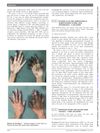
In this case report, a 19-year-old woman with systemic lupus erythematosus experienced significant improvement in neuropsychiatric symptoms, including psychosis and seizures, following treatment with high-dose corticosteroids, immunosuppressants, and antidepressants.
 4 citations
,
January 2015 in “Pharmacology”
4 citations
,
January 2015 in “Pharmacology” This report describes a case where a food supplement containing Serenoa repens extract was associated with hot flashes and menarche in a 10-year-old girl being treated for hirsutism.
48 citations
,
July 2023 in “Pediatric Dermatology” This study found that among adolescents with alopecia areata and significant hair loss, treatment with ritlecitinib resulted in greater hair regrowth and self-reported improvement compared to placebo over 48 weeks, with common side effects including headache, acne, and nasopharyngitis.
 31 citations
,
January 1981 in “Pharmacology & Therapeutics”
31 citations
,
January 1981 in “Pharmacology & Therapeutics” In this study, 13-cis-5S*,8S*-epidioxy-5,8-dihydroretinoic acid was found to be significantly more cytotoxic to cancer cell lines than other retinoic acid analogs evaluated.
 July 1997 in “The Lancet”
 This abstract reports preliminary data on the antidepressant reboxetine, noted for its different mode of action, discussed at a major psychiatry conference; it provides no new research findings.
55 citations
,
December 1983 in “Acta Neurologica Scandinavica” This review discusses the side effects of carbamazepine, valproate, and clonazepam, noting that these are rare with long-term use but more common, transient, and generally mild during early treatment.
1 citations
,
January 2010 in “SRX Pharmacology” This study found that bupropion SR may improve symptoms in female trichotillomania patients who did not respond to SSRIs, with benefits maintained through a 16-month follow-up.
 July 2017 in “Clin-Alert”
 Different medications can cause serious side effects in some people.
1 citations
,
January 1980 in “Side effects of drugs annual” This chapter reviews various adverse effects associated with vitamins, including hypercalcemia from high doses of vitamin A, hair loss from retinoid treatment, and complications with vitamin B6 in Parkinson's therapy, but reports no new clinical findings.
 November 2024 in “Circulation”
 This study found that GLP1-RAs, while not triggering significant safety signals, were reported more often for suicide, hair loss, and aspiration events compared to some other diabetes medications.
 18 citations
,
May 2015 in “Australasian Journal of Dermatology”
18 citations
,
May 2015 in “Australasian Journal of Dermatology” This study found that topical application of Serenoa repens extract increased hair count in men with androgenetic alopecia, suggesting it could be an alternative for those unable to use standard medications.
2 citations
,
March 2005 in “Journal of the American Academy of Dermatology” Equol may help with antiaging and skin health by boosting collagen and blocking certain hormones.
52 citations
,
February 2003 in “Archives of dermatology” In this open-label trial, 9-cis-retinoic acid showed moderate activity against Kaposi sarcoma in AIDS patients, but its use is limited by substantial side effects at higher doses.
4 citations
,
June 2020 in “DOAJ (DOAJ: Directory of Open Access Journals)” This case report describes a 30-year-old woman diagnosed with both Rhupus and Rowell syndromes, and details her presentation and treatment plan, without reporting specific treatment outcomes.
 10 citations
,
January 2003 in “Journal der Deutschen Dermatologischen Gesellschaft”
10 citations
,
January 2003 in “Journal der Deutschen Dermatologischen Gesellschaft” In this study, hydroxychloroquine treatment in patients with scleromyxoedema led to complete or partial remission of skin symptoms and improved mobility, though it did not affect paraproteinaemia.
 November 2023 in “The journal of investigative dermatology/Journal of investigative dermatology”
 This study found that engineered high-affinity soluble CD200R agonists, including ARQ-234, showed superior efficacy in reducing immune responses in various preclinical models of inflammatory conditions, suggesting potential as a therapeutic for atopic dermatitis and other related diseases.
November 2025 in “SKIN The Journal of Cutaneous Medicine” In this study, nearly one-third of patients with severe alopecia areata treated with ritlecitinib achieved complete scalp hair regrowth at least once over three years, and most maintained regrowth or stayed at low hair loss levels subsequently.
June 2026 in “British Journal of Dermatology” In this case study, a woman with alopecia areata experienced significant hair regrowth after starting ritlecitinib but developed an acneiform eruption, leading to the discontinuation of the drug and subsequent hair loss relapse; the eruption suggests a treatment-limiting adverse effect of JAK inhibitors.
June 2014 in “Reactions Weekly” 2 citations
,
September 2014 in “International Journal of Dermatology” Sodium valproate can worsen psoriasis-like skin conditions.
January 2014 in “Reactions Weekly” August 2011 in “Reactions Weekly”