1 citations
,
June 2025 in “Pigment Cell & Melanoma Research” This literature review reports that mutations in the SASH1 gene are linked to different pigmentation disorders, including dyschromatosis universalis hereditaria and lentiginosis. It further suggests SASH1's significant role in melanocyte processes and its potential as a target for developing treatments for these conditions.
 7 citations
,
October 1985 in “Genetics Research”
7 citations
,
October 1985 in “Genetics Research” This study found that in chimaeric mice models, the pigment distribution and pattern were influenced by the sash genotype, demonstrating the melanocyte-autonomous nature of the beige and leaden loci.
 2 citations
,
September 2022
2 citations
,
September 2022 In this study, researchers found that a PER3 gene SNP may be pathogenic for a new subtype of dyschromatosis universalis hereditaria, especially when combined with a SASH1 mutation.

This research observed that removing RNase L in mice enhances regenerative capacity through increased IL-36 and wound-induced hair neogenesis, highlighting RNase L as a gene that represses regeneration by moderating immune responses during viral infections.
 January 2019 in “Srpski Arhiv Za Celokupno Lekarstvo”
 This study found that using the same number of needles as planned grafts in hair transplantation improved operation time, hair growth direction, and patient satisfaction among 56 patients, with a 95% graft success rate.
4350 citations
,
May 2012 in “Arthritis & Rheumatism” This study found that the new SLICC classification criteria for systemic lupus erythematosus were more sensitive and resulted in fewer misclassifications than the current ACR criteria, although they had lower specificity.
 128 citations
,
August 2015 in “Cell Stem Cell”
128 citations
,
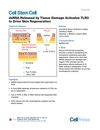
August 2015 in “Cell Stem Cell” The researchers reported that dsRNA from damaged skin activates TLR3, promoting hair follicle regeneration, while TLR3-deficient animals fail to initiate this process, suggesting potential therapeutic approaches for hair neogenesis.
103 citations
,
April 2010 in “Journal of Investigative Dermatology” This study reports that human eccrine sweat gland cells are capable of forming a stratified epidermis, suggesting they may serve as an additional source of keratinocytes for skin repair.
 53 citations
,
April 2021 in “Cell Host & Microbe”
53 citations
,
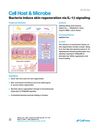
April 2021 in “Cell Host & Microbe” This study found that skin microbiota, particularly in wild-type mice, promotes wound-induced hair follicle neogenesis and wound healing, highlighting the potential downsides of routine antibiotic use on skin regeneration.
 49 citations
,
June 2019 in “eLife”
49 citations
,
June 2019 in “eLife” This study reported the discovery of large-scale haplotypes (cenhaps) in human centromere regions, revealing deep genetic diversity, including introgressed Neanderthal and ancient African lineages.
42 citations
,
July 2017 in “Molecular therapy” This study found that applying a tocotrienol-rich phytochemical topically induced hair follicle development in adult mice, revealing a new epidermal pathway involving E-cadherin and β-catenin.
19 citations
,
August 2024 in “Cell Host & Microbe”  10 citations
,
October 2020 in “Frontiers in Cell and Developmental Biology”
10 citations
,
October 2020 in “Frontiers in Cell and Developmental Biology” This review explores the cellular and molecular basis of wound-induced hair neogenesis and its relationship with aging but does not report new clinical results, highlighting areas for future research.
7 citations
,
July 2025 in “Nature Communications” In this study using mice, researchers found that the Piezo1 channel regulates metabolic changes and immune cell infiltration during skin growth under tension, with altered expression of glycolysis-related genes and increased macrophage activity observed in stretched skin.
6 citations
,
June 2018 in “bioRxiv (Cold Spring Harbor Laboratory)” This study found that human centromeric regions exhibit large-scale haplotypes with significant diversity, including entire Neanderthal haplotypes, which may affect chromosome transmission.
 5 citations
,
April 2024 in “bioRxiv (Cold Spring Harbor Laboratory)”
5 citations
,
April 2024 in “bioRxiv (Cold Spring Harbor Laboratory)” This study found that by using an automated system to analyze skin histology, 108 structural features were significantly affected by age, and it identified four new aging biomarkers and notable sex-based differences in skin aging.
 4 citations
,
July 2014 in “Journal of Investigative Dermatology”
4 citations
,
July 2014 in “Journal of Investigative Dermatology” This study suggests that age-related regenerative decline in hair follicles may be due to an imbalance of signals affecting stem cell activation, with follistatin potentially promoting renewal.
3 citations
,
October 2020 in “UNC Libraries” This article discusses the SLICC's revision and validation of the ACR SLE classification criteria to enhance clinical relevance and integrate recent immunological insights, but does not report new clinical results.
1 citations
,
January 2025 in “Women s Health Reports” In this study conducted in Trinidad, higher income was associated with reduced risk of menstrual dysfunction and combined hyperandrogenism/menstrual dysfunction, impacting mental and overall health in women with probable PCOS.
1 citations
,
January 2023 in “Science Advances” This study found that bacterially induced metabolic changes in stem cells can enhance skin and hair follicle regeneration in both mice and humans, suggesting potential strategies for improving recovery after injury.
 1 citations
,
October 2021 in “Prilozi - Makedonska akademija na naukite i umetnostite. Oddelenie za medicinski nauki”
1 citations
,
October 2021 in “Prilozi - Makedonska akademija na naukite i umetnostite. Oddelenie za medicinski nauki” This study found that among women with PCOS, 23% exhibited impaired glucose tolerance and 9% had type 2 diabetes, with age, BMI, and SHBG being key predictors of these glucose abnormalities.
 August 2026 in “Journal of Personalized Medicine”
 This narrative review proposes the concept of "repigmentation competence" for vitiligo lesions, suggesting that therapy responses are influenced by lesion-specific biological factors related to immune, regenerative, regulatory, and microenvironmental processes, and highlights the emerging role of combination therapies targeting these pathways.
April 2025 in “The Journal of Clinical Endocrinology & Metabolism” This study highlights the global prevalence of hirsutism in women and reviews its diagnostic criteria, potential underlying causes like polycystic ovary syndrome, and treatment options, emphasizing the need for tailored, multifaceted management and acknowledging the distress it causes patients.
 February 2025 in “Journal of Clinical Investigation”
 This study found that RNase L acts as a regeneration repressor gene in mammals, as seen in Rnasel-/- mice which showed increased regenerative capacity and elevated Wound Induced Hair Neogenesis through enhanced IL-36α signaling, suggesting a tradeoff between regeneration and immune regulation.
This study reports that prostatitis, affecting many men aged 30 to 50, arises from diverse causes, including bacterial infections and pelvic pain syndromes, and requires treatment strategies specific to its type, such as antibiotics and lifestyle changes.

Quickly fix tissue in formalin after excision to preserve it.
January 2022 in “Journal of Morphological Sciences” This case report presents a 60-year-old woman with virilization and elevated adrenal androgens, where a bilateral salpingo-oophorectomy confirmed ovarian steroid cell tumor NOS, and her symptoms resolved post-operatively.
This study found that S1PR1 signaling in mouse aortic endothelial cells varied by location and subtype, influencing inflammatory and lymphangiogenic gene expression through distinct molecular pathways.
 April 2015 in “Plastic and Reconstructive Surgery”
 This article is from the ASPS Education Network and does not report any new research findings.
 4 citations
,
October 2021 in “Scientific Reports”
4 citations
,
October 2021 in “Scientific Reports” This study found that NKIRAS2 expression affects skin tumor suppression and HRAS-driven transformation in mice, indicating its role in carcinogenesis depends on expression level and cellular context.