 December 2024 in “Jurnal Mandala Pharmacon Indonesia”
 In this study, high-dose oral administration of Ramania leaf ethanol extract in Wistar rats resulted in no significant acute toxicity symptoms, though gastric ulcers and hair loss were observed. The extract is classified as non-toxic under specified guidelines, with an LD50 greater than 5000 mg/kg.
 May 2025 in “The Journal of Rheumatology”
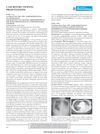
 This case report details a rare instance of primary adrenal insufficiency as a manifestation of antiphospholipid syndrome, with the patient successfully managed through glucocorticoids, warfarin, and hydroxychloroquine.
 April 2026 in “Inflammopharmacology”
 This study found that Punica granatum ethanolic leaf extract may alleviate skin fibrosis in rats by modulating inflammation-related pathways and reducing dermal alterations.
12 citations
,
December 2023 in “Antioxidants” In this study, researchers found that blackberry leaves exhibited higher liposoluble antioxidant levels and inhibited lipid peroxidation more effectively than raspberry leaves, while raspberry leaves showed greater water-soluble antioxidant content and hydroxyl radical inhibition in vitro.
3 citations
,
January 2024 in “Preprints.org” This study estimated the economic burden of alopecia areata in Romania for 2022, finding costs of 46.289 million EUR for adult and 1.89 million EUR for pediatric cases.
 January 2024 in “Wiadomości Lekarskie”
 This source describes Sweden's approach to achieving an ideal work-life balance for medical professionals, emphasizing a no-fault system, supportive mentorship, teamwork, high assertiveness, social trust, and good compensation, with specialists working 80% of the time and having over six weeks of annual leave.

This study evaluated genetic differences in hair loss patients from Romania and Brazil, finding that specific gene variations were more common in Brazilian patients. The researchers suggest certain drugs may be more effective based on these genetic markers, but most genes showed no population differences.
5 citations
,
January 2025 in “Pharmaceuticals” This review highlights the potential of Coffea arabica as an active ingredient in skincare, noting its bioactive compounds from leaves and beans show promising anticellulite, anti-inflammatory, antioxidant, and anti-aging properties, with unique phenolic concentrations in leaves offering enhanced skin benefits.
 November 2023 in “Martor”
 This study explored the role of magic in traditional and modern Romanian societies, revealing that both rural and urban communities turn to magical rituals and witchcraft to address various misfortunes and needs, with the COVID-19 pandemic enhancing this reliance despite technological advancements.
 November 2021 in “American Journal of Tropical Medicine and Hygiene”
 In this report, an 11-year-old girl and her 14-year-old brother developed marking nut dermatitis from an amulet, highlighting the importance of recognizing cultural practices in diagnosing skin conditions.
 December 2023 in “Medicine and Materials”
 This study reviewed the use of essential oils in cosmetics and highlighted that while chamomile, rosemary, and geranium oils can be applied directly to the skin when diluted, most essential oils require caution due to potential dermatological reactions.
 December 2018 in “Notulae Botanicae Horti Agrobotanici Cluj-Napoca”
 This issue of Notulae Botanicae Horti Agrobotanici Cluj-Napoca reviews new research topics in plant science, including plant root hair growth in response to hormones and micropropagation techniques, without reporting additional clinical results.
 June 2023 in “Romanian Medical Journal”
 In this case study, a 53-year-old female with multiple autoimmune symptoms was diagnosed with Mixed Connective Tissue Disease, confirmed by specific antibodies, and showed significant clinical improvement after one year of treatment.
 45 citations
,
January 2020 in “International Journal of Molecular Sciences”
45 citations
,
January 2020 in “International Journal of Molecular Sciences” This review discusses the potential of plant polyphenols to overcome multidrug resistance in various solid cancers and reports no new experimental results; further research is suggested.
 January 1998 in “Lasers in Surgery and Medicine”
 This study found that both 5-ALA and Photofrin can effectively destroy human microvascular endothelial cells in vitro and cause tissue necrosis in vivo, with Photofrin showing greater efficacy at lower concentrations or power densities.
 17 citations
,
October 2015 in “Medicine and Pharmacy Reports”
17 citations
,
October 2015 in “Medicine and Pharmacy Reports” This article reviews current research on animal models for hair regrowth treatments and reports no new findings; it highlights the need for studies comparing therapy efficiency and long-term safety.
 6 citations
,
January 2010 in “Neoplasma”
6 citations
,
January 2010 in “Neoplasma” In this study, researchers found that shorter CA repeats in the ERbeta gene are correlated with PSA expression, and PSA immunoexpression is associated with increased disease-free survival in breast cancer.
 11 citations
,
December 2020 in “Notulae botanicae Horti Agrobotanici Cluj-Napoca”
11 citations
,
December 2020 in “Notulae botanicae Horti Agrobotanici Cluj-Napoca” This study found that arbuscular mycorrhizal fungus inoculation and shading improved tea seedlings' growth, nutrient absorption, and stress resistance by enhancing root biomass and regulating phytohormone levels and gene expression.
 2 citations
,
January 2013
2 citations
,
January 2013 This review discusses various forensic applications of hair analysis, such as species identification and drug addiction testing, and reports no new study results.
 May 2014 in “Transfusion and Apheresis Science”
 PRP is a safe natural treatment that improves skin by reducing wrinkles and enhancing texture for up to 4 months.
 60 citations
,
June 2017 in “IOSR Journal of Pharmacy (IOSRPHR)”
60 citations
,
June 2017 in “IOSR Journal of Pharmacy (IOSRPHR)” This review highlights the chemical components and various potential health effects of Daucus carota but reports no new experimental results.
 39 citations
,
June 2017 in “Journal of Applied Research on Medicinal and Aromatic Plants”
39 citations
,
June 2017 in “Journal of Applied Research on Medicinal and Aromatic Plants” This review examines around 68 plant sources from six major plant families, assessing their scientific rationale and use by the cosmeceutical industry for applications like anti-ageing and sun protection.
 22 citations
,
November 2024 in “Planta”
22 citations
,
November 2024 in “Planta” This review highlights the potential of aromatic plants as natural antioxidants in cosmeceuticals, which may combat skin aging and promote rejuvenation by counteracting oxidative stress, offering a natural alternative to synthetic products with benefits like photoprotection and anti-wrinkle effects.
 16 citations
,
September 2018 in “Journal of Ethnopharmacology”
16 citations
,
September 2018 in “Journal of Ethnopharmacology” This review discusses the role of inheritance, androgens, and microinflammation in androgenetic alopecia and suggests some plant-based folk remedies may help address these factors but reports no new clinical results.
 16 citations
,
February 2018 in “BMC Genomics”
16 citations
,
February 2018 in “BMC Genomics” This paper reviews genome-based personalized medicine developments using Web services for analyzing SNPs in reproductive potential but reports no new clinical findings.
 16 citations
,
September 2015 in “Journal of Ethnopharmacology”
16 citations
,
September 2015 in “Journal of Ethnopharmacology” This review examines the long-standing use of "Dictamnus" in traditional medicine, highlighting the promising potential of D. albus and D. hispanicus as herbal drug candidates, but presents no new experimental findings.
 15 citations
,
April 2022 in “Biointerface Research in Applied Chemistry”
15 citations
,
April 2022 in “Biointerface Research in Applied Chemistry” This review presents current evidence on medicinal plants and their phytoconstituents, such as phenolic compounds, used in acne treatment, highlighting their potential as alternatives to conventional therapies due to issues like antibiotic resistance and high cost.
 14 citations
,
October 2020 in “Journal of ethnopharmacology”
14 citations
,
October 2020 in “Journal of ethnopharmacology” This study found that both ethanol and aqueous extracts of Lepidium sativum seeds improved insulin signaling and reduced obesity-related metabolic changes in high-fat diet-fed rats, suggesting potential as a dietary supplement.
 10 citations
,
May 2018 in “Nutrition and Cancer”
10 citations
,
May 2018 in “Nutrition and Cancer” This article reviews current research on spice-derived nutraceuticals for treating melanoma and skin cancer, noting emerging evidence that these natural substances may offer preventative and protective benefits against cancer, amidst increased global interest.
 7 citations
,
December 2021 in “Annals of Phytomedicine An International Journal”
7 citations
,
December 2021 in “Annals of Phytomedicine An International Journal” This study observed that silver nanoparticles synthesized using Laurus nobilis leaf extracts significantly inhibited protein denaturation and membrane stabilization in vitro, suggesting potential as a basis for novel antiarthritic drugs.