November 2024 in “SKIN The Journal of Cutaneous Medicine” This study found that daily treatment with ritlecitinib 50 mg over 24 months reduced the number of patients in the highest categories of scalp hair loss, with improvements seen in patient responses over time.
 September 2023 in “Dermatology and therapy”
 In this phase 2b/3 trial, ritlecitinib showed effectiveness in treating alopecia areata patients with varying hair loss profiles, significantly improving patient-reported outcomes for hair regrowth and satisfaction compared to placebo, regardless of the hair loss type and extent at baseline.
October 2023 in “The Open Dermatology Journal” Baricitinib is effective for severe alopecia areata with manageable side effects, mainly upper respiratory infections.
October 2022 in “The Journal of Clinical Pharmacology” This study found that men with early-onset androgenic alopecia are less responsive to the cardiometabolic effects of bromocriptine compared to men with normal hair growth.
7 citations
,
July 2023 in “Immunotherapy” Ritlecitinib works well and is safe for treating alopecia areata.
 21 citations
,
January 2005 in “Pediatric Dermatology”
21 citations
,
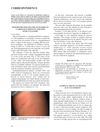
January 2005 in “Pediatric Dermatology” An 8-year-old girl with vitiligo developed extra hair growth on her knee after using tacrolimus ointment.
August 2026 in “LUMEN ET VIRTUS” This study review reports that alopecia areata is often associated with autoimmune thyroid diseases like Hashimoto thyroiditis, suggesting targeted thyroid screening based on symptoms and risk factors may improve detection while minimizing unnecessary tests.
September 2019 in “Journal of Investigative Dermatology” This study found that patients with vitiligo report the highest willingness-to-pay for disease control and cure compared to those with other chronic skin conditions, suggesting DLQI may not fully capture treatment priorities.
 December 2024 in “Cureus”
 This case report describes significant symptom improvement and hair regrowth in a man with recalcitrant folliculitis decalvans after starting tirzepatide for weight management, suggesting a potential new therapy avenue.
November 2025 in “SKIN The Journal of Cutaneous Medicine” This study found that approximately 85% of adults with severe alopecia areata who responded to baricitinib at 52 weeks maintained their improvement over a span of four years.
519 citations
,
October 1998 in “Endocrinology” The study found that normalizing mineral ion levels in vitamin D receptor-ablated mice prevented hyperparathyroidism and bone disorders but did not address hair loss, indicating the VDR's role in hair growth.
 4 citations
,
May 2006 in “médecine/sciences”
4 citations
,
May 2006 in “médecine/sciences” This study suggests that the hairless gene encodes a nuclear factor important for hair follicle integrity, and its absence leads to hair follicle loss and defects in tissue development.
 January 1995 in “Hair transplant forum international”
 This article argues that a proposed merger between ISHRS and AACS would be detrimental to the ISHRS, but it presents no new research findings.
 September 2025 in “Cureus”
 In this case study, a 24-year-old female with Parry-Romberg syndrome showed significant craniofacial asymmetry, delayed dental development, and other symptoms without neurological deficits; orthodontic treatment is used to improve occlusion and facial balance.
90 citations
,
August 2006 in “British Journal of Dermatology” This paper describes the PRIDE syndrome associated with epidermal growth factor receptor inhibitors but reports no new clinical results.
9 citations
,
July 2019 in “Dermatologic therapy” In this case report, a patient with frontal fibrosing alopecia and lichen planus responded well to treatment with alitretinoin, suggesting a potential therapeutic role for alitretinoin in similar cases.
December 1951 in “Journal of the American Medical Association” This article reports a case of hair loss and pigmentation changes in a man after using propylthiouracil alongside iodine solution for thyroid and diabetic conditions, providing clinical observations without broader conclusions.
January 2024 in “Journal of the American Academy of Dermatology” Gabapentin helps with scalp itch, dutasteride works for frontal fibrosing alopecia, and more research is needed for better PCA treatments.
 1 citations
,
August 2021 in “Journal of The American Academy of Dermatology”
1 citations
,
August 2021 in “Journal of The American Academy of Dermatology” This study evaluates the effectiveness and safety of 2-mg and 4-mg doses of baricitinib in patients with alopecia areata who have lost at least 50% of their scalp hair, comparing outcomes between those with early and late onset of the disease.
6 citations
,
January 1977 in “Archives of dermatological research” November 2025 in “SKIN The Journal of Cutaneous Medicine” In a real-world study, baricitinib was effective for scalp, eyebrow, and eyelash regrowth in patients with alopecia areata, showing clinically meaningful improvements as early as 3 months and increasing up to 12 months; satisfaction and perceived improvement were also high among participants.
 1 citations
,
November 2023 in “Journal of the European Academy of Dermatology and Venereology”
1 citations
,
November 2023 in “Journal of the European Academy of Dermatology and Venereology” Baricitinib helps with early hair regrowth in people with alopecia areata.
1 citations
,
January 2025 in “Annals of Dermatology” In this study, baricitinib was well tolerated and led to clinical improvement in patients with treatment-resistant alopecia areata in a real-world clinical setting, suggesting it may be a potential treatment option.
 26 citations
,
June 2018 in “The journal of immunology/The Journal of immunology”
26 citations
,
June 2018 in “The journal of immunology/The Journal of immunology” This study demonstrated that AIRE-deficient rats exhibit key symptoms of APECED, making them a relevant model for exploring potential treatments.
22 citations
,
September 2017 in “Skin appendage disorders” This report describes a case where treatment with the JAK inhibitor ruxolitinib significantly improved beard growth in a patient with severe alopecia areata, emphasizing its potential benefits for populations where beard hair holds cultural significance.
14 citations
,
January 2025 in “Journal of Dermatological Treatment” In this multicenter retrospective study, 61.5% of Italian patients with severe alopecia areata achieved significant hair improvement after 52 weeks of treatment with baricitinib, with no major safety issues reported, indicating long-term effectiveness in a real-world setting.
11 citations
,
May 2018 in “Frontiers in plant science” This study found that overexpressing the PCaP2 protein in Arabidopsis enhanced drought tolerance by influencing ABA and SA signaling pathways and regulating root hair growth, suggesting a key role in water deficit response.
 March 2026 in “Anais Brasileiros de Dermatologia”
 Facial aesthetic procedures improve quality of life for transgender individuals.
12 citations
,
September 2020 in “JAMA Dermatology” This article reviews the clinical features and associated medical diagnoses of pityriasis rubra pilaris, noting incomplete information on disease prevalence and related conditions but offering no new clinical findings.
 September 2013 in “Hair transplant forum international”
 This article discusses the increasing patient demand for hair transplantation, noting that brow hair restoration is the most requested type of surgery, but presents no new research findings.