3 citations
,
October 2024 in “International Journal of Molecular Sciences” This study found that non-activated platelet-rich plasma from acetylsalicylic acid-treated patients increased inflammatory cytokines, affecting platelet activation and possibly influencing outcomes in PRP therapies.
 January 2025 in “Investigative and Clinical Urology”
 This study found that after 12 weeks of taking the trial product SHPro®, participants reported improvements in prostate symptom scores and erectile function, with confirmed safety.
17 citations
,
June 2023 in “Pharmaceuticals” In this study, researchers found that people with Parkinson's disease showed higher levels of inflammasome proteins, including caspase-1, ASC, and IL-18, compared to healthy individuals, suggesting these proteins as reliable biomarkers for inflammation in PD.
This study reports that prostatitis, affecting many men aged 30 to 50, arises from diverse causes, including bacterial infections and pelvic pain syndromes, and requires treatment strategies specific to its type, such as antibiotics and lifestyle changes.
 April 2012 in “The Journal of Urology”
 This study found that among prostate cancer patients undergoing a biopsy, those with metabolic syndrome tended to have a lower Gleason score compared to those without the syndrome.
January 2016 in “프로그램북(구 초록집)” This study found that the revised BASP classification for pattern hair loss, which addresses certain limitations of the original, could serve as an alternative option despite a decrease in clinical accuracy and ease of use.
 April 2012 in “Journal of the American Academy of Dermatology”
 This study found that psoriasis patients had a significantly higher prevalence of autoimmune diseases and other comorbidities compared to those without psoriasis.
 December 2025 in “Zenodo (CERN European Organization for Nuclear Research)”
 This policy brief highlights that post-drug syndromes remain under-recognized in pharmacovigilance, leading to inadequate risk assessments and patient care. It identifies systemic failures in current frameworks and recommends actions to improve long-term drug safety monitoring and education, affecting public health outcomes significantly.
 5 citations
,
January 2010 in “Acta Chirurgica Iugoslavica”
5 citations
,
January 2010 in “Acta Chirurgica Iugoslavica” In this study, higher urethral prostate-specific antigen (urPSA) levels in men after radical prostatectomy were associated with higher androgenic alopecia scores and higher postoperative PSA.
1 citations
,
September 2025 in “Archivio Italiano di Urologia e Andrologia” In this study, the combination of Serenoa repens extract with Phenolmicin P3 and Bosexil suppositories significantly improved lower urinary tract symptoms and decreased PSA levels in patients with benign prostatic obstruction-related symptoms.
May 2021 in “Faculty Opinions – Post-Publication Peer Review of the Biomedical Literature” This article evaluates clinical and scientific literature on post-finasteride syndrome, concluding that finasteride and dutasteride may cause persistent sexual, neurological, and physical adverse side effects in a subset of men.
91 citations
,
July 2004 in “Journal of Biological Chemistry” This study found that overexpression of the enzyme SSAT in a mouse model significantly reduced prostate tumor size and progression, suggesting it could be a promising strategy against prostate cancer.
This study found that patients with psoriasis have a significantly higher prevalence of autoimmune diseases and other physical and mental comorbidities compared to those without the condition.
67 citations
,
December 2015 in “Journal of the National Comprehensive Cancer Network” This review summarizes NCCN guidelines for prostate cancer early detection, focusing on strategies to maximize detection of potentially curable cases while minimizing unnecessary procedures, but it reports no new clinical findings.
11 citations
,
May 2018 in “Frontiers in plant science” This study found that overexpressing the PCaP2 protein in Arabidopsis enhanced drought tolerance by influencing ABA and SA signaling pathways and regulating root hair growth, suggesting a key role in water deficit response.
 September 2011 in “Urology”
 This study explores the clinical significance of the intravesical prostatic protrusion/prostate volume ratio in diagnosing bladder outlet obstruction but reports no new results.
2 citations
,
January 2016 in “Gynecological Endocrinology” This case report describes a patient with polyglandular autoimmune syndrome type 2 diagnosed via adrenal crisis, with thyroid, adrenal, and ovarian involvement.
10 citations
,
November 2016 in “Clinical and experimental dermatology” This case report describes a 52-year-old woman with multiple autoimmune conditions suggesting a diagnosis of PAS IIIC, characterized by prominent skin-related symptoms.
 April 2013 in “The Journal of Urology”
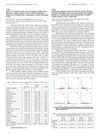
 Higher CRP levels suggest chronic inflammation is linked to bladder-related urinary symptoms in men with enlarged prostates.
 May 2026 in “AAPS PharmSciTech”
 This study found that PEGylated LUT-Aspasomes significantly improved neuroprotective effects in stressed rats, enhancing spatial memory, reducing depressive-like behavior, and preserving hippocampal architecture better than free luteolin. Additionally, it increased brain delivery and stability, suggesting potential for treating stress-related neurobehavioral disorders.
4 citations
,
June 2024 in “Animals” This study found that treating dogs with benign prostatic hyperplasia using osaterone acetate reduced prostatic volume and increased diffusion times of an ultrasound contrast agent, suggesting effective treatment and potential for CEUS monitoring.
April 2014 in “The Journal of Sexual Medicine” This publication compiles abstracts from the 19th Annual Fall Meeting of the Sexual Medicine Society of North America, highlighting advancements and discussions in various areas of sexual medicine without reporting new research results.
July 2012 in “Alzheimer s & Dementia” This case report describes a 57-year-old Navy veteran with mild cognitive impairment who showed cognitive improvement and reported better mood after CPAP treatment and medication adjustments.
 March 2012 in “Journal of Pediatric and Adolescent Gynecology”
 This study found significant variability among NASPAG members in diagnostic approaches for PCOS, though there was more agreement on recommended first-line therapies such as oral contraceptives and lifestyle changes.
 3 citations
,
January 2008 in “Endocrine journal”
3 citations
,
January 2008 in “Endocrine journal” In this case report, the authors describe a partial androgen insensitivity syndrome patient with a novel AR gene mutation, highlighting challenges in gender assignment decisions for infants with partial AIS.
September 2006 in “Aktuelle Urologie” This review discusses the drug treatment of benign prostatic syndrome, highlighting the efficacy of combination therapies over monotherapies in patients at high risk for disease progression, but notes increased side effects and costs.
 2 citations
,
June 2022 in “Northern Clinics of Istanbul”
2 citations
,
June 2022 in “Northern Clinics of Istanbul” This study found no significant difference in the prevalence of PCOS between women with and without PSD, although some clinical and blood parameters did differ.

This study found that CPA-loaded nanoparticles, particularly SLN formulations, increased CPA epidermal penetration compared to a conventional cream and may reduce side effects in treating androgen-dependent conditions.
March 2005 in “Current Prostate Reports” February 2003 in “European Urology Supplements” Baseline PSA levels affect general health and sexual satisfaction in men with BPH treated with finasteride or placebo.