 14 citations
,
October 2003 in “Annals of Oncology”
14 citations
,
October 2003 in “Annals of Oncology” In this study, the researchers observed that the severity of capecitabine-induced hand-foot syndrome in advanced gastric cancer patients was not linked to the IVS14+1G→A mutation in the DPYD gene.
 5 citations
,
March 2019 in “Journal of lipid research”
5 citations
,
March 2019 in “Journal of lipid research” This study reports new fluorogenic ceramidase substrates and highlights RBM14C24:1 as an efficient substrate for neutral ceramidase, while RBM15C18:1 is the best probe for measuring ACER1 and ACER2 activities, potentially aiding high-throughput screening for ceramidase inhibitors.
1 citations
,
August 2021 in “Journal of Investigative Dermatology” ASLAN004 was safe and well-tolerated, supporting further development for treating certain diseases.
 February 2014 in “Plastic and Reconstructive Surgery”
 This abstract contains titles of organizations and publication names but reports no study results or findings.
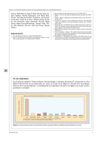
The document corrects a mistake by stating that pimecrolimus, not tacrolimus, is the drug that concentrates in the skin.
 January 2025 in “International Journal of Scientific Research in Science and Technology”
 This study validated an HPLC analytical method for evaluating fenasteride in commercial products, finding it to be sensitive, selective, and within acceptance criteria for specificity, precision, and stability, making it suitable for quality control testing.
January 2018 in “Journal of analytical, bioanalytical and separation techniques”  3 citations
,
January 2012
3 citations
,
January 2012 This study developed and validated an RP-HPLC-PDA method for accurately estimating Tamsulosin and Finasteride in bulk and tablet forms, achieving precise detection and linearity within specified concentration ranges.
 April 2018 in “Radiotherapy and Oncology”
 Prostaglandin helps regenerate hair follicles after radiation damage.
September 2026 in “Angewandte Chemie International Edition” In this study, SEU-302, a newly synthesized covalent organic framework, demonstrated potent photodynamic antibacterial effects, showing effective elimination of Staphylococcus aureus, wound healing promotion, and inflammation reduction both in vitro and in vivo, highlighting its therapeutic promise against bacterial infections.
24 citations
,
December 2016 in “Stem Cell Research & Therapy” This study found that P311 triggers transdifferentiation of epidermal stem cells into myofibroblast-like cells via TGFβ1/Smad signaling during wound healing.
 September 2023 in “Journal of The American Academy of Dermatology”
 In this study, researchers evaluated how subjects perceive the effectiveness of three FDA-cleared photobiomodulation devices for home use in treating androgenetic alopecia, though specific outcomes or comparative effectiveness are not reported in the abstract.
April 2018 in “The Journal of Urology” This study found that phosphodiesterase inhibitors may suppress the proliferation of benign prostatic hyperplasia epithelial cells by modulating CCL5 levels in low androgen conditions.
May 2022 in “Голова и шея.” This report describes a case of a patient with metastatic renal cell carcinoma who developed a psoriasiform skin lesion while undergoing immune checkpoint inhibitor therapy.
September 2026 in “Angewandte Chemie” In this research, SEU-302, a newly developed covalent organic framework, exhibited significant antibacterial and wound-healing properties in vitro and in vivo, effectively eliminating Staphylococcus aureus and reducing inflammation under light activation, thereby showcasing its potential for therapeutic photodynamic applications.
 April 2023 in “The journal of investigative dermatology/Journal of investigative dermatology”
 This study found that local PGE2 injection may prevent radiotherapy-induced hair loss by protecting hair follicle cells and promoting hair follicle self-repair.
This study demonstrated that Reverse Protein Engineering can decrease the size of Firefly Luciferase from 550 to less than 80 amino acids, but further research is needed to ensure these smaller peptides retain bioluminescent activity.
 April 2024 in “Journal of pharmacy & pharmacognosy research”
 This study used in silico analysis to identify 4-[2-(4-nitrophenyl)ethylcarbamoyl]benzenesulfonyl as a potential inhibitor of the EGFR mutant associated with NSCLC, highlighting the need for further in vitro and in vivo validation.
 June 2026 in “International Journal of Drug Delivery Technology”
 In this study, silver nanoparticles synthesized using Pogostemon benghalensis extract demonstrated significant antibacterial activity, antioxidant properties, and potential anticancer effects, particularly showing effectiveness against V. cholerae and A549 lung cancer cells through apoptosis.
33 citations
,
May 2017 in “Journal of Clinical Oncology” This phase I study reported that ETC-159, targeting Wnt signalling, showed tolerable safety profiles at doses that inhibit its pathway, though bone turnover markers increased, warranting early and regular monitoring. No tumor responses were observed, but two patients achieved stable disease for several cycles.
8 citations
,
June 2004 in “Journal of Investigative Dermatology” Certain peptides can prevent hair loss in young rats caused by a cancer drug.
26 citations
,
March 2020 in “Antioxidants” This study found that microwave-assisted Opuntia humifusa extract improved antioxidant and anti-inflammatory properties to counteract particulate matter's harmful effects on HaCaT keratinocytes.
 January 2026 in “Nanoscale Advances”
 In this study, a biocompatible zinc oxide nanocomposite loaded with the anticancer drug 9-Br-Nos demonstrated effective drug delivery and cytotoxicity against lung cancer cells in vitro, while also proving non-toxic to healthy cells, suggesting its potential for targeted lung cancer treatment.

The document cannot be understood or processed.
16 citations
,
November 2018 in “The journal of pain/Journal of pain” This study found that in a rat model, 14,15-EET may alleviate central poststroke pain by enhancing thalamic inhibition through neurosteroid signaling, potentially outperforming gabapentin in early-stage treatment.
 1 citations
,
May 2025 in “Natural Products and Bioprospecting”
1 citations
,
May 2025 in “Natural Products and Bioprospecting” In this study, PEVIII, a nanocomposite chitosan-coated vesicle containing both α-hederin and hederacoside C, demonstrated notable antibacterial activity against Pseudomonas aeruginosa in a keratitis model, showing significant lesion reduction, tissue improvement, and decreased bacterial load and inflammatory markers compared to other treatments.
April 2006 in “Journal of Korean Pharmaceutical Sciences” This study found that Procare and Proscar® finasteride tablets were bioequivalent according to Korea Food and Drug Administration guidelines in healthy male subjects.
20 citations
,
May 2023 in “Cancer Nanotechnology” The researchers reported that their novel formulation of pterostilbene-loaded ethoniosomes with folic acid coating effectively targeted lung cancer cells in vitro and demonstrated promising results in animal models, indicating potential for future targeted chemotherapy applications.
51 citations
,
September 2000 in “Acta dermato-venereologica” This study found that PPAR alpha, -delta, and -gamma are expressed in human hair follicle cells, and clofibrate exhibited a beneficial effect on hair follicle survival in culture within a specific concentration range.
9 citations
,
July 2021 in “Journal of Medicinal Food” This study found that consuming Lactobacillus paracasei HY7015 promoted hair growth and follicle maturation in mice, likely through stimulating dermal papilla cell proliferation and growth factor secretion.