January 2024 in “Ageing & longevity” This study observed low levels of zinc, copper, iron, and selenium in the plasma and hair of Ukrainian adults, suggesting a need for better nutritional interventions; it highlighted higher hair zinc levels in individuals with COVID-19 history potentially due to more frequent zinc supplementation.
 December 2023 in “Archives of iranian medicine”
 This study used hair samples to assess mineral levels and found that higher iron status may be associated with an increased risk of esophageal squamous cell carcinoma, while no significant associations were observed for copper and magnesium levels in this cohort.
January 2016 in “Journal of animal research” This study found significant correlations for copper and zinc levels between hair and plasma in Pomeranian and Labrador dogs, but no significant correlation for iron.
5 citations
,
April 1946 in “PubMed” This study found that a diet with purified casein and sulfasuxidine resulted in poor growth and anemia in a pig, which improved after treatment with a liver extract.
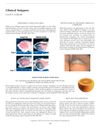 November 2003 in “Journal of Investigative Dermatology”
 This article includes summaries of multiple studies on dermatological topics like Imiquimod's effects on tumors, vitamin C absorption enhancement, and ferritin levels in hair loss, but reports no new results itself.
 3 citations
,
January 2019 in “International Journal of Trichology”
3 citations
,
January 2019 in “International Journal of Trichology” This article reviews common malpractices in the treatment of hair and scalp disorders, attributing them to autistic-undisciplined thinking, and reports no clinical findings.
 19 citations
,
January 2019 in “International Journal of Trichology”
19 citations
,
January 2019 in “International Journal of Trichology” This consensus paper reviews expert opinions on treating telogen effluvium but reports no new clinical findings.
 14 citations
,
October 2020 in “Natural Products and Bioprospecting”
14 citations
,
October 2020 in “Natural Products and Bioprospecting” This review discusses current topical treatments, natural products, and complementary therapies for androgenetic alopecia, but it reports no new clinical results.
 3 citations
,
April 2022 in “Clinical, Cosmetic and Investigational Dermatology”
3 citations
,
April 2022 in “Clinical, Cosmetic and Investigational Dermatology” This review discusses evidence-based complementary strategies for enhancing hair regrowth after post-COVID-19 telogen effluvium and reports no new clinical results.
June 2026 in “Journal of Cosmetic Dermatology” This study found that patients with frontal fibrosing alopecia had higher hair shaft concentrations of titanium, zinc, aluminum, and iron, possibly linked to the use of metal-containing products.
 December 2024 in “Problems of Biological Medical and Pharmaceutical Chemistry”
 This study examined the hair ionomic profiles of first-year RUDN University students and found distinct elemental differences between those from the Moscow region and the Middle East, suggesting these profiles may reflect the geographical and climatic conditions of their previous environments.
 January 2022 in “Bio web of conferences/BIO web of conferences”
 This study concluded that the elemental composition of tail brush hair in newborn calves can indicate trace element supply to the fetus during the last months of pregnancy.
 October 2020 in “Медицинский совет”
 This review discusses telogen effluvium in women and suggests that combining minoxidil with supplementary therapies may enhance treatment outcomes, but it reports no new clinical results.
 40 citations
,
March 1982 in “British Journal of Dermatology”
40 citations
,
March 1982 in “British Journal of Dermatology” This study found that women experiencing diffuse hair loss had significantly lower levels of plasma sex-hormone binding globulin compared to controls, while their testosterone levels remained normal.
10 citations
,
July 2022 in “Journal of the Turkish-German Gynecological Association” In this study, micronutrient intake was associated with androgen levels in women with PCOS, with the association more pronounced in NA PCOS compared to HA PCOS groups.
22 citations
,
August 2012 in “PubMed” Adequate zinc and iron intake may reduce hair loss after bariatric surgery.
1 citations
,
August 2011 in “DOAJ (DOAJ: Directory of Open Access Journals)” This study found that women with lower hair loss six months after bariatric surgery consumed more zinc and iron and showed less compromise in the nutritional status of these minerals compared to women with more significant hair loss.
Iron supplements may reverse premature graying in iron-deficient individuals; ingrown nails are common in diabetics with certain risk factors; topical finasteride may reduce scalp DHT as effectively as oral finasteride; monilethrix treatment is challenging but some medications can help.
 February 2024 in “Research Square (Research Square)”
 This research found that heavy metal concentrations of arsenic, lead, cadmium, and iron were significantly higher in human hair samples from 100 years ago compared to today's levels in southern Poland, with a median decrease of 69–95%.
 2 citations
,
January 2019 in “Springer eBooks”
2 citations
,
January 2019 in “Springer eBooks” The conclusion is that different blood diseases cause specific oral symptoms and require varied treatments to manage these symptoms and improve patient health.
 November 2018 in “Springer eBooks”
 Children need early diagnosis and treatment for iron-deficiency anemia to prevent learning problems and promote health.
 7 citations
,
January 2016 in “Hair therapy & transplantation”
7 citations
,
January 2016 in “Hair therapy & transplantation” This study reported significantly lower levels of serum iron, ferritin, and calcium in young patients with premature gray hair compared to controls, implying that supplementation might prevent further graying.
 1 citations
,
January 2021 in “Journal of biological chemistry/The Journal of biological chemistry”
1 citations
,
January 2021 in “Journal of biological chemistry/The Journal of biological chemistry” This study found that loss of the folliculin protein delays transferrin receptor recycling, leading to iron deficiency and suggesting a role in the mechanisms of Birt-Hogg-Dubé syndrome.
 January 2018 in “International journal of food and nutrition research”
 Intermittent iron and nutritional supplements can help reduce hair loss.
 11 citations
,
June 2020 in “Russian Open Medical Journal”
11 citations
,
June 2020 in “Russian Open Medical Journal” This study found a higher frequency of below normal ferritin and serum iron levels in women with melasma compared to controls, suggesting a possible association with melasma.
 5 citations
,
May 2020 in “Diagnostics”
5 citations
,
May 2020 in “Diagnostics” This study involving male patients with androgenic alopecia found that a higher baseline zinc plasma level, specifically above 10 µmol/L, may predict the success of treatment with 5% topical minoxidil, correlating with increased hair density and diameter in the parietal area.
 4 citations
,
August 2021 in “Journal of the Korean Society of Cosmetology”
4 citations
,
August 2021 in “Journal of the Korean Society of Cosmetology” This study found that using a plasma hairdryer for 90 minutes caused significantly less hair damage, such as cuticle cracks or layer separation, compared to traditional hot air dryers.
 1 citations
,
December 2023 in “Curēus”
1 citations
,
December 2023 in “Curēus” This study observed that five out of fourteen individuals aged 13-16 years, who were homozygous for the p.C282Y mutation related to hemochromatosis, had increased liver and phlebotomy-mobilized iron levels.
 January 2024 in “Biological trace element research”
 In this study, isotretinoin treatment for acne vulgaris was associated with changes in plasma phosphorus, potassium, magnesium, and zinc levels, potentially affecting kidney function and contributing to side effects like fatigue and dry skin.
 30 citations
,
October 2010 in “Journal of The American Academy of Dermatology”
30 citations
,
October 2010 in “Journal of The American Academy of Dermatology” This review examines the debated link between iron deficiency and nonscarring scalp alopecia in women, offering no new clinical results but emphasizing the need for further research and well-designed trials.