This article describes the "naked" mouse mutation, which results in hair loss and is linked to chromosome 15, noting similarities and differences with human ectodermal dysplasia, but provides no new experimental findings.
12 citations
,
May 2016 in “British Journal of Dermatology” This report describes a rare case of epidermolysis bullosa acquisita in a child developing during therapy with squaric acid dibutyl ester for alopecia areata, suggesting a possible link between the medication and disease onset.

This study utilized polarized light microscopy to examine hair shafts in ten children with rare genetic disorders, such as Netherton syndrome and ectodermal dysplasia, providing valuable diagnostic insights into hair thickness, composition, and structural irregularities associated with these conditions.
 August 2021 in “Acta medica Philippina”
 This case study highlights how trichoscopy helped differentiate between diffuse alopecia areata and trichotillomania in an 11-year-old girl, demonstrating its importance in distinguishing hair disorders with similar presentations.
 2 citations
,
January 2012 in “Journal of Cutaneous Pathology”
2 citations
,
January 2012 in “Journal of Cutaneous Pathology” This comment discusses the use of 'follicular Swiss cheese' as a diagnostic feature for alopecia areata and does not report new clinical findings.
 January 2020 in “Acta dermato-venereologica”
 People with certain hair disorders may also have missing permanent teeth.
 June 2023 in “Aesthetic Plastic Surgery”
 This study introduces the PRECISE scale, a quantitative tool to classify androgenetic alopecia, aiming to improve planning and outcomes for hair transplantation surgeries by evaluating the whole hairless and thinning areas.
7 citations
,
June 2018 in “Journal of the American Academy of Dermatology” This article reviews uncombable hair syndrome, highlighting its symptoms, potential diagnosis methods, and the suggestion for biotin supplements, but it reports no new empirical results.
 April 2023 in “Acta Scientific Orthopaedics”
 This essay discusses hair loss due to head bone displacement and does not report new clinical results, building on the author's prior work regarding the natural process of growth-related changes.
July 2026 in “Scholars Journal of Medical Case Reports” This case study reports a rare coexistence of alopecia areata and lichen planopilaris in a 37-year-old woman and highlights the importance of targeting active scalp areas for biopsy to appropriately manage coexisting scarring and non-scarring alopecias, with distinct therapeutic priorities.
 January 2023 in “Pediatric Endocrinology Diabetes and Metabolism”
 This review discusses current knowledge of isolated premature pubarche in infants and reports no new findings, highlighting it as a mild, self-limiting condition that necessitates exclusion of serious causes.
 8 citations
,
July 2018 in “European Journal of Dermatology”
8 citations
,
July 2018 in “European Journal of Dermatology” A medication may help with hair growth in psoriasis, and a skin condition might be linked to a specific bacteria.
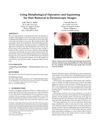
This study presents a new approach to automatically remove hair artifacts from dermoscopic images, which reportedly performed well compared to existing methods like DullRazor using the PH2 datasets.
 6 citations
,
April 2017 in “Experimental dermatology”
6 citations
,
April 2017 in “Experimental dermatology” This study found that B6.CD80CD86−/− mice developed autoimmune-like alopecia with nearly 100% incidence by 40 weeks, making them a promising model for studying human alopecia areata.
16 citations
,
August 2014 in “PubMed”  2 citations
,
January 2000 in “Journal of Toxicologic Pathology”
2 citations
,
January 2000 in “Journal of Toxicologic Pathology” This study identified a single autosomal recessive gene responsible for hypotrichosis in a mutant rabbit strain, affecting hair growth and causing epidermal and hair follicle abnormalities.
 9 citations
,
August 2018 in “Journal der Deutschen Dermatologischen Gesellschaft”
9 citations
,
August 2018 in “Journal der Deutschen Dermatologischen Gesellschaft” This study provides the most comprehensive review to date of published cases of frontal fibrosing alopecia, emphasizing a notable association with thyroid disease.
July 2025 in “Indian Dermatology Online Journal” This study reports a unique case of trichotillomania incognita in an adult female that mimicked female pattern hair loss, highlighting the importance of trichoscopy and histology for accurate diagnosis.
3 citations
,
January 2014 5 citations
,
October 2012 in “Australian veterinary journal” This report describes two South Australian Poll Hereford calves with a syndrome of congenital dyserythropoietic anaemia, dyskeratosis, and progressive alopecia, observing specific blood and bone marrow abnormalities.
22 citations
,
May 2005 in “Journal of the European Academy of Dermatology and Venereology” This article discusses alopecia areata in individuals with Down syndrome and reports no new clinical findings.
32 citations
,
January 1971 in “Annals of Internal Medicine” This study observed that severe bronchitis may occur in individuals with anhidrotic ectodermal dysplasia when exposed to a dusty environment, potentially due to abnormalities in the bronchial mucosa.
 January 2026 in “Journal of Clinical Practice and Research”
 This study observed that bitemporal alopecia often coincides with conditions such as androgenetic alopecia, seborrheic dermatitis, and telogen effluvium. The researchers suggest bitemporal hair loss could help predict and monitor these associated hair diseases.
 November 2012 in “Hair transplant forum international”
 This article discusses Dr. Rajput's study on body dysmorphic disorder in hair loss patients and their improvement post-hair restoration, but it presents no original findings itself.
This study found that ponytails with small fractions of gray hair have significantly lower swing height and higher damping, affecting the dynamic movement and appearance compared to those with fewer gray hairs.
 1 citations
,
May 2015 in “Journal of The American Academy of Dermatology”
1 citations
,
May 2015 in “Journal of The American Academy of Dermatology” This study concluded that oral minoxidil 5 mg daily was effective in enhancing hair growth in men with androgenetic alopecia, with minor side effects such as hypertrichosis and pedal edema.
1 citations
,
September 2024 in “Veterinary Dermatology” In this study, clinicians are advised to perform trichography regularly on Pomeranians with HCA, as significant hair abnormalities, especially TN, may affect hair quality; further research is needed to understand the underlying mechanisms and treatment options.
 September 2022 in “Journal of Investigative Dermatology”
 This study found that the Severity of Alopecia Tool score does not predict the quality of life in patients with alopecia areata, suggesting patient-reported outcomes better reflect the impact on life quality.
 January 2007 in “Dermatologic Surgery”
 This study presents a new surgical technique that frequently results in minimal scars visible to the naked eye, marking a significant improvement over traditional methods.
 1 citations
,
October 2014 in “Paediatrics and Child Health”
1 citations
,
October 2014 in “Paediatrics and Child Health” This article reviews hair growth and loss in children and offers diagnostic approaches, reporting no new results.