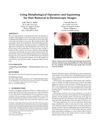
This study presents a new approach to automatically remove hair artifacts from dermoscopic images, which reportedly performed well compared to existing methods like DullRazor using the PH2 datasets.
 1 citations
,
June 2003 in “Obstetrical & Gynecological Survey”
1 citations
,
June 2003 in “Obstetrical & Gynecological Survey” This new method makes checking for female infertility less painful, less invasive, and doesn't use radiation.
 January 2020 in “SCIENCE, ENGINEERING AND TECHNOLOGY: GLOBAL TRENDS, PROBLEMS AND SOLUTIONS”
 This conference proceedings compilation from Prague covers global trends, problems, and solutions in science, engineering, and technology, but reports no new clinical results.
6 citations
,
January 2022 in “Database” This database provides detailed physiological parameters of porcine skin to enhance the MPML MechDermA Model, improving dermal absorption predictions for human studies in the Simcyp Simulator.
June 2022 in “Zenodo (CERN European Organization for Nuclear Research)” This review discusses the potential of microneedles as a pain-free drug delivery method that improves medication distribution while addressing issues associated with traditional transdermal formulations.
This review discusses the potential conflicts of interest and quality concerns associated with direct-to-consumer teledermatology platforms and reports no new experimental results.
 August 2024 in “Nihon Ika Daigaku Igakkai Zasshi”
 In this study, researchers used tissue clearing techniques on human skin and scar tissue for the first time to render them optically transparent, with the aim of revealing atypical structures and improving protocols for observing scar tissue changes.
4 citations
,
September 1993 in “Steroids” This paper details a method for measuring testosterone metabolism into seven androgens using digital autoradiography, which offers high sensitivity and reduces the need for radioactive materials.
 August 2018 in “Journal of Investigative Dermatology”
 This study found that combining optical clearing methods with light-sheet fluorescence microscopy allows detailed 3D visualization of normal and pathological human skin biopsies, revealing differences in epidermal thickness and volume.
 September 2025 in “Journal of Medical Internet Research”
 This study in Japan found that increased telemedicine use during the COVID-19 pandemic was linked to a significant reduction in both inpatient and total health care expenditures, without negatively impacting health outcomes such as mortality or common chronic condition indicators.

This study evaluated an online survey tool designed to identify polycystic ovary syndrome, identifying areas for improvement that can aid in accurately assessing PCOS prevalence in general populations.
14 citations
,
June 2021 in “British Journal of Dermatology” This article discusses the BIOMAP consortium's efforts in standardizing data for atopic dermatitis and psoriasis research to facilitate personalized medicine, but it presents no new research findings.
5 citations
,
March 2011 in “Proceedings : 格差センシティブな人間発達科学の創成=Science of human development for restructuring the "gap widening society"” This study introduces a non-invasive photoacoustic imaging technique that accurately measures hair follicle density and subdermal angles, showing strong correlation with the gold-standard photographic method.
13 citations
,
August 2020 in “Asian Journal of Pharmaceutical Sciences” This review outlines the mechanisms, applications, and development prospects of label-free imaging technologies in transdermal research and reports no new clinical results.
January 2026 in “SSRN Electronic Journal” February 2018 in “The journal of sexual medicine” This study reviewed tele-consultations in a tertiary referral sexual medicine practice and found that some patients utilize photo-augmented telemedicine for inquiries about diagnoses, prescribed treatments, or results.
January 2026 in “Open Science Framework” 1 citations
,
February 2026 in “ACS Omega” This review highlights the potential of self-powered nanogenerators in revolutionizing biomedical devices by using biomechanical or environmental energy, focusing on applications like regenerative hair growth, drug release patches, and electronic skin while evaluating challenges such as energy efficiency and biocompatibility.
June 2026 in “Mendeley Data” This dataset provides additional exposure data and comprehensive analyses for a study on the long-term effects of particulate matter on androgenetic alopecia, but it presents no new findings.
3 citations
,
September 2024 in “Journal of the American Academy of Dermatology” Dermatology datasets need more diversity in skin tones and ethnic representation.
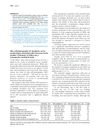 5 citations
,
September 2015 in “Journal of The American Academy of Dermatology”
5 citations
,
September 2015 in “Journal of The American Academy of Dermatology” This letter highlights that the effectiveness of skin self-photography for melanoma detection has not been evaluated, although it could be a cost-effective option for patients without access to professional skin photography.
 January 2009 in “Hair transplant forum international”
 This abstract discusses maintaining patient-centered care in a busy clinic environment with a diverse workforce, providing an overview but reporting no new clinical results.
January 2025 in “SSRN Electronic Journal” 
This study developed and tested continuous implanters for dermal papilla cell aggregates, finding that the bar-cartridge type implanter is the most effective design for continuous cell implantation in androgenetic alopecia research.
 4 citations
,
November 2011 in “Archives of Dermatology”
4 citations
,
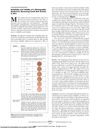
November 2011 in “Archives of Dermatology” This study describes a simple, noninvasive hair counting method used in a hair growth prevention trial, assessing its reliability and validity.
 82 citations
,
September 2011 in “Quality of Life Research”
82 citations
,
September 2011 in “Quality of Life Research” This review discusses the selection of recall periods for patient-reported outcome measures based on disease attributes, highlighting that inappropriate recall periods can misestimate symptom burden and patient health states; it reports no new findings.
This study developed a legally valid, evidence-based informed consent document specifically for platelet-rich plasma injections, intended to enhance patient rights and communication, and support legal defense in malpractice cases.
 2 citations
,
December 2018 in “Novos Estudos Jurídicos”
2 citations
,
December 2018 in “Novos Estudos Jurídicos” This article examines the emergence of predictive analytics with big data and concludes that Foucault's concept of biopower is now a hybrid involving various technologies to monitor and model behavior and risk.
 1 citations
,
January 2023 in “Brazilian Journals Editora eBooks”
1 citations
,
January 2023 in “Brazilian Journals Editora eBooks” Children's screen time increased during the pandemic, causing various health issues.
319 citations
,
March 2023 in “Science Advances” This study demonstrated that a wearable bioelectronic patch with combined therapy significantly accelerated chronic wound healing in a rodent model by monitoring and treating wounds noninvasively.