August 2025 in “OPAL (Open@LaTrobe) (La Trobe University)” In this study, PA-011 extract was reported to promote hair growth and alleviate alopecia areata symptoms in mice by reducing skin inflammation and modulating skin microbiota.
 July 2013 in “Journal of clinical & experimental dermatology research”
 This study found that prototype right heart circulatory assist devices significantly improved hemodynamics and reduced pulmonary vascular resistances in piglet models of acute hemodynamic shock.
 9 citations
,
September 2024 in “Scientific Reports”
9 citations
,
September 2024 in “Scientific Reports” This study found that cardamonin may inhibit OSCC cell migration, proliferation, and invasion by affecting the PI3K/AKT pathway, suggesting its potential as a treatment.
 1 citations
,
December 2017 in “Acta biomedica scientifica”
1 citations
,
December 2017 in “Acta biomedica scientifica” This study observed that 30% of women with polycystic ovary syndrome had androgenic alopecia, suggesting it is a prevalent but unreliable marker of hyperandrogenism.
1 citations
,
December 2011 in “Arzneimittelforschung” This study developed a sensitive HPLC-MS/MS method for determining cyproterone acetate levels in human plasma and found no significant difference in its concentration between two oral formulations in bioequivalence testing.
 December 2025 in “Cureus”
 In this report, successful management of inherited acrodermatitis enteropathica, a zinc absorption disorder due to an SLC39A4 gene defect, was demonstrated in an infant through zinc supplementation.
4 citations
,
March 2024 in “The Journal of Cell Biology” This study found that Caspase-1, traditionally viewed as an inflammasome component, is secreted upon wounding and plays a novel role by triggering hair follicle stem cell migration into the epidermis, offering insights into epithelial hyperplasia mechanisms in inflammatory skin conditions.
 January 2025 in “The Analyst”
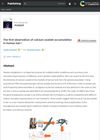
 In this study, researchers identified a novel biomarker of oxalate metabolism, which plays a crucial role in conditions like hyperoxaluria and kidney stones, marking the first time this detection has been reported.
13 citations
,
April 2013 in “Immunotherapy” This article discusses the potential of phospholipase A2 inhibition as a therapeutic strategy for inflammatory skin diseases and emphasizes the need for further exploration of its role and administration methods.
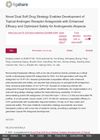
This study found that the optimized AR antagonist compound 39 showed potent hair growth activity with improved safety in mice, suggesting potential for better topical treatments for androgenetic alopecia.
February 2026 in “Chemical Engineering Journal” This study found that a novel nano-engineered platform, PCA, significantly promoted hair regeneration in an androgenetic alopecia mouse model by enhancing angiogenesis and hair follicle stem cell proliferation, showing promise for future hair regrowth treatments.
 June 2021 in “Pharmaceutical sciences”
 This study found that flutamide emulgels with 1% Transcutol P enhanced percutaneous absorption through rat skin more effectively than other formulations tested.
24 citations
,
June 2021 in “Annals of Translational Medicine” This review discusses the potential of human placental extract (HPE) in cartilage regenerative medicine for osteoarthritis, noting its significant anti-inflammatory and regenerative properties observed in vitro and in vivo studies, but reports no new clinical results.
 1 citations
,
September 2024 in “Frontiers in Pharmacology”
1 citations
,
September 2024 in “Frontiers in Pharmacology” In this real-world study, aumolertinib was found to improve patient-reported outcomes and maintain high disease control and objective response rates similar to those reported in the AENEAS trial for advanced NSCLC patients, supporting its use in first-line treatment.
September 2023 in “Journal of the American Academy of Dermatology” In this study of pediatric melanocytic lesions, researchers at Massachusetts General Hospital observed no concurrent BAP1 loss and BRAFV600E positivity, characteristics of adult BIMT, suggesting that these tumors may develop at a later age rather than in childhood.
July 2024 in “Journal of Investigative Dermatology” ATR04-484 ointment shows promise for treating skin issues from cancer therapies.
In this study, a dual soft drug design strategy improved the AR antagonist candidate 39, showing potent AR antagonism and good safety in a mouse hair-growth model, with similar efficacy to pyrilutamide but faster response.
2 citations
,
May 2023 in “The Journal of Immunology” This animal study observed that treatment with the S1PR modulator NXC736 significantly reduced lesion area and CD8+ T cell infiltration in mice with alopecia areata, suggesting its potential as a promising therapy for the condition.
 December 2022 in “Small methods”
 This study developed dissolving microneedles incorporating a new AR degrader for treating androgenetic alopecia, showing that a single application leads to superior hair regeneration compared to daily minoxidil, without systemic toxicity or androgen-related issues.
52 citations
,
July 1998 in “Urology” This study found that liarozole is more effective than cyproterone acetate for improving PSA response and survival in metastatic prostate cancer after first-line endocrine therapy, while maintaining quality of life.
 March 2016 in “Journal of evolution of medical and dental sciences”
 In this case report, a 9-year-old girl with extensive alopecia areata experienced almost complete hair regrowth within six months after treatment with Oral Mini Pulse of prednisolone and cyclosporine.
 April 2018 in “Journal of Investigative Dermatology”
 This study found that ERBB2 mutations and amplifications are likely key drivers of extramammary Paget disease, suggesting potential for targeted therapies and cancer immunotherapy due to the moderately high mutational load observed.
 February 2022 in “International journal of reproduction, contraception, obstetrics and gynecology”
 This study concluded that acanthosis nigricans in female adolescents with PCOS is a marker of obesity but not an indicator of insulin resistance or glucose intolerance.
November 2024 in “Journal of Investigative Dermatology” Stimulating OR10J1 can promote hair growth and may help treat hair loss.
 2 citations
,
July 2022 in “Cureus”
2 citations
,
July 2022 in “Cureus” This report presents the first known case of ulerythema ophryogenes in a 28-year-old male in Saudi Arabia.
This study found that the optimized AR antagonist candidate 39, in a hair-growth mouse model, achieved similar efficacy to pyrilutamide with faster onset and favorable safety, suggesting a promising approach for developing topical treatments with low systemic toxicity for androgenetic alopecia.
24 citations
,
October 2019 in “Genes” In this study, the identification of a novel KAP gene in sheep, named KRTAP36-1, was associated with increased prickle factor in wool, suggesting its potential as a genetic marker for breeding purposes.
July 2025 in “International Journal of Molecular Sciences” This genetic study identified four new keratin-associated protein genes in sheep, revealing significant sequence variation and suggesting complex evolutionary dynamics, with unique variants in some sheep breeds linking them to Romanov sheep ancestry.
 1 citations
,
January 2022 in “Journal of Biosciences and Medicines”
1 citations
,
January 2022 in “Journal of Biosciences and Medicines” This review discusses the roles of androgens and androgen receptor in skin diseases like acne and hirsutism, and highlights the promise of antiandrogen drugs, reporting no new clinical findings.
 September 2010 in “European Urology Supplements”
 Opioid use may lower PSA levels, suggesting a possible role in prostate cancer control; PSA testing is useful for detecting prostate cancer; serum triglycerides are not linked to prostate cancer risk; and higher urethral PSA levels may be associated with local hormone activity.