 April 2023 in “International Journal of Science and Research (IJSR)”
 This study focuses on developing a natural herbal shampoo using pomegranate peels and other plant-based ingredients to enhance hair growth, strength, and darkening while maintaining safety and efficacy compared to chemical-based alternatives.
 1 citations
,
June 2024 in “International Journal of Drug Delivery Technology”
1 citations
,
June 2024 in “International Journal of Drug Delivery Technology” This review suggests that herbal hair serums, which are claimed to nourish the scalp and promote hair growth, may effectively treat alopecia without adverse effects, offering a natural alternative to allopathic medications that often have side effects.
 June 2025 in “INTERANTIONAL JOURNAL OF SCIENTIFIC RESEARCH IN ENGINEERING AND MANAGEMENT”
 This study assessed a herbal dry shampoo comprising natural ingredients like Shikakai and Reetha, finding it effectively passed physicochemical tests but highlighted the need for more research to optimize product quality and safety.
 July 2024 in “Anti-Infective Agents”
 This study explored the development of a herbal anti-dandruff shampoo using natural polyherbal tincture and reported strong antimicrobial effects, which suggests it may be a safer and more effective alternative to conventional solutions that can cause side effects like hair loss and irritation.
 February 2025 in “International Journal for Research in Applied Science and Engineering Technology”
 In this study, researchers evaluated a multi-herbal shampoo made with natural components like aloe and hibiscus, reporting it as safer and more effective than synthetic options, though consumer acceptance remains a challenge.
 November 2024 in “Journal of Scientific Agriculture”
 This paper reviews the benefits of using silk proteins as natural ingredients in cosmetics, highlighting their potential for improving skin and hair health due to properties like antimicrobial activity, UV resistance, and enhanced moisture absorption.
 67 citations
,
June 2018 in “Engineering in Life Sciences”
67 citations
,
June 2018 in “Engineering in Life Sciences” This review discusses advancements in plant cell culture technology for producing potent natural cosmetic ingredients and reports no new experimental results.
This study suggests that a herbal shampoo made from plant ingredients may be a promising natural remedy for hair fall and dandruff, demonstrating good quality and safety.
 March 2023 in “International journal of biology, pharmacy and allied sciences”
 This study developed a herbal shampoo using fermented oryza sativa water and natural ingredients like amla and aloe vera, reporting that it effectively removes sebum, filth, and dandruff while promoting hair growth and strengthening.
 January 2026 in “Journal of Pharmacognosy and Phytochemistry”
 This review suggests that standardized herbal shampoos may offer a safe and sustainable alternative to synthetic products due to their natural saponins and multifunctional benefits, though challenges in consistency and shelf-life persist.
 June 2024 in “International Research Journal of Modernization in Engineering Technology and Science”
 This study developed and evaluated a Neem, Tulsi, and Aloe vera-based anti-dandruff shampoo, finding it effective and safe, potentially offering a natural alternative to conventional antifungal shampoos for managing dandruff and maintaining scalp health.
 July 2023 in “International journal of current research in chemistry and pharmaceutical sciences”
 In this study, researchers formulated a herbal shampoo using traditional ayurvedic herbs and reported that it may serve as a natural and effective alternative to synthetic shampoos for cleaning and managing hair, emphasizing the growing preference for herbal products over chemical ones.
 June 2022 in “International Journal for Research in Applied Science and Engineering Technology”
 The research developed a herbal shampoo using extracts from Piper Betel and Psidium Guajava leaves, which showed potential in promoting hair growth and managing hair diseases, while replacing synthetic ingredients with safe natural alternatives.
 72 citations
,
July 2003 in “Journal of cosmetic dermatology”
72 citations
,
July 2003 in “Journal of cosmetic dermatology” This review discusses the psychological importance of hair and explores how various hair cosmetics can affect hair health, emphasizing that certain products can lead to acute hair problems when repeatedly altering the natural style.
 7 citations
,
January 2007 in “Elsevier eBooks”
7 citations
,
January 2007 in “Elsevier eBooks” This article reviews the composition and functionality of shampoos, emphasizing the role of surfactants in cleaning and conditioning hair, and reports no new experimental results.
 April 2025 in “International Journal of Advanced Research in Science Communication and Technology”
 This study developed a herbal shampoo using Reetha, Amla, Neem, Bringraj, Jatamanasi, and Aloe vera, reporting that the shampoo met pharmacognostical standards and showed increased hair growth activity, excellent washing and conditioning effects at 1% concentration, and stability with no skin irritation.
 February 2024 in “Journal of applied pharmaceutical research”
 This study formulated herbal hair oils using extracts such as Coconut and Amla, observing significant improvements in hair growth promotion, antioxidant, and antimicrobial properties in animal models, suggesting potential natural remedies for hair care with further research needed for human application.
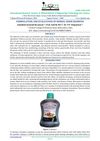 January 2024 in “International Research Journal of Modernization in Engineering Technology and Science”
 This study formulated a poly-herbal shampoo using ingredients like hibiscus, neem, and alo-vera and evaluated its cosmetic properties, reporting positive organoleptic and physico-chemical characteristics, with the potential for safe use as a hair cleansing and conditioning product.
 January 2024 in “International Journal of Pharmacognosy and Pharmaceutical Research”
 This review highlights the potential of plant-derived molecules like Epigallocatechin-3-Gallate and Ginsenosides to promote healthy hair growth by enhancing nutrient supply and blood flow to the scalp, and notes their growing role in natural hair care product development.
 January 2024 in “Wiadomości Lekarskie”
 In this exploration, the authors discuss the challenges and potential roles of aesthetic surgery in achieving long-lasting rejuvenation, touching on societal pressures linking beauty with youth and examining how modern techniques might offer a natural, subtle appearance despite the inevitability of aging.
 December 2023 in “International Journal of Advanced Research in Science, Communication and Technology”
 This study evaluated an herbal shampoo's physicochemical properties and emphasized its safety, efficacy, and quality as a non-toxic natural hair care product.
 December 2025 in “Zenodo (CERN European Organization for Nuclear Research)”
 In this study, researchers developed a natural herbal shampoo using extracts from plants like amla and aloe vera, demonstrating effective hair and scalp cleansing, good foaming capacity, and eco-friendliness, aligning with consumer demand for sustainable personal care products.
 December 2025 in “Zenodo (CERN European Organization for Nuclear Research)”
 In this study, researchers developed a natural herbal shampoo using ingredients like amla and aloe vera, finding it effectively cleans hair and scalp, promotes hair growth, and meets eco-friendly personal care product demands, without synthetic additives.
3 citations
,
January 2023 in “Journal of Hunan University Natural Sciences” In this study, researchers developed a natural shampoo using traditional plant extracts and reported that its physicochemical properties and antioxidant activity were comparable to marketed shampoos. Further research is needed to confirm its performance and quality.

This study developed and evaluated a polyherbal solid shampoo bar using natural ingredients like Amla, Soapnut, Hibiscus, and Aloe vera, and found it to be an effective, safe, and sustainable alternative to conventional hair care products, with good cleansing and lathering properties.
 December 2024 in “European Journal of Medicinal Plants”
 This study developed a polyherbal powder shampoo utilizing natural ingredients, with formulation F6 demonstrating optimal cleaning action and foaming index, along with satisfactory physicochemical properties, making it the preferred formula among the tested variations.
 January 2024 in “Journal of Pharmacognosy and Phytochemistry”
 Results are not reported in this source about the effects of rosemary hair serum on hair health, but the research question centers on its potential to promote hair growth and scalp health through regular application and its antioxidant and antimicrobial properties.
 39 citations
,
June 2017 in “Journal of Applied Research on Medicinal and Aromatic Plants”
39 citations
,
June 2017 in “Journal of Applied Research on Medicinal and Aromatic Plants” This review examines around 68 plant sources from six major plant families, assessing their scientific rationale and use by the cosmeceutical industry for applications like anti-ageing and sun protection.
 June 2026 in “Zenodo (CERN European Organization for Nuclear Research)”
 This study focused on developing and evaluating a herbal hair growth serum made from natural ingredients, aimed at improving scalp health, strengthening hair follicles, and promoting hair growth, suitable for daily use without the adverse effects associated with synthetic products.
 January 2025 in “International Journal of Advanced Research in Science Communication and Technology”
 In this study, a herbal hair oil formulated using ingredients like Amla, garlic, and curry leaves significantly increased hair number and length, reduced hair growth completion time, and showed comparable effects to minoxidil, demonstrating anti-dandruff and other hair-enhancing properties with fewer side effects.