51 citations
,
January 1997 in “PubMed” This review outlines the genetic basis of GABEB, highlighting reduced type XVII collagen as a distinguishing marker from Herlitz JEB, and discusses potential therapeutic avenues without presenting new results.
 50 citations
,
February 2013 in “Annals of Clinical Biochemistry”
50 citations
,
February 2013 in “Annals of Clinical Biochemistry” This review discusses the production, role, and measurement of dihydrotestosterone (DHT) in various disorders of sexual development but does not report new clinical results.
 47 citations
,
April 2012 in “The Plant Journal”
47 citations
,
April 2012 in “The Plant Journal” This study found that mutations in phosphorylation sites on the PIN3 protein disrupt its phosphorylation and subcellular trafficking, affecting auxin transport and root growth in a cell-type-specific manner.
37 citations
,
February 2010 in “Psychoneuroendocrinology” This study found that nuclear androgen receptors are not necessary for androgen self-administration, suggesting that plasma membrane receptors might be involved.
 28 citations
,
February 2012 in “PLoS ONE”
28 citations
,
February 2012 in “PLoS ONE” In this study, researchers identified a novel congenital skin disorder in Chesapeake Bay retrievers, linked to a plakophilin-1 deficiency due to a genetic mutation, marking the first known occurrence in an animal species.
 June 2024 in “Research Square (Research Square)”
 This study found that among young women in West Bengal, India, co-occurring PCOS and related conditions like estrogen resistance and leptin receptor insufficiency are common, with notable genetic variations identified, including impairments in leptin signaling and insulin resistance.
January 2024 in “Biomedicines” This review discussed the cutaneous manifestations of APECED, highlighting chronic mucocutaneous candidiasis, alopecia areata, and vitiligo, while emphasizing the importance of early detection and monitoring for accurate diagnosis and patient care in various populations.
 July 2023 in “British journal of dermatology/British journal of dermatology, Supplement”
 This study found that the E6 gene, but not E7, was responsible for HPV8-induced expansion of keratinocyte stem cells in hair follicle junctional zones in mice.
July 2016 in “Cancer research” This study found that mutant cells in hair follicles can be tolerated or eliminated by surrounding normal tissue, suggesting the potential for wild-type cells to counteract oncogenic mutations.
 May 2014 in “JAMA Dermatology”
 Mother and son diagnosed with a rare genetic hair loss condition with no effective treatment.

This review discusses various syndromes of severe insulin resistance, their biochemical and clinical features, and potential therapeutic options, but it reports no new clinical results.
 35 citations
,
April 2014 in “American Journal of Medical Genetics”
35 citations
,
April 2014 in “American Journal of Medical Genetics” The study reported a significant genotype–phenotype correlation in prepubescent males with XLHED, particularly in the severity of skin and hair manifestations between those with different EDA mutations.
98 citations
,
December 2015 in “The Journal of Cell Biology” In this study, researchers found that the absence of type I or type II keratins in mice leads to severe skin barrier defects, highlighting keratins' crucial role in epidermal structure and function.
26 citations
,
September 1999 in “Canadian Journal of Botany” This study found that a recessive mutation in the RHD4 gene of Arabidopsis thaliana leads to slower and more variable tip growth in seedling root hairs, resulting in shorter and wider hairs than in wild-type plants.
 24 citations
,
July 2017 in “Structure”
24 citations
,
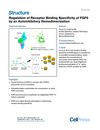
July 2017 in “Structure” In this study, researchers found that ligand homodimerization controls the receptor binding specificity of the FGF9 subfamily, preventing off-target activation of FGFR "b" isoforms.
 13 citations
,
November 2012 in “PLoS ONE”
13 citations
,
November 2012 in “PLoS ONE” This study identified a novel recessive mutation in mice causing lethal congenital lamellar ichthyosis, with skin and hair follicle alterations similar to human congenital ichthyoses, linked to a specific genetic defect affecting Fatp4.
 4 citations
,
December 2020 in “Mammalian genome”
4 citations
,
December 2020 in “Mammalian genome” This study found that pelage abnormalities in Harlequin mutant mice are linked to severe AIF deficiency and associated with altered expression of genes related to hair structure.

This study found that chemically induced skin tumors in mice predominantly originated from Lgr6 + and/or Lrig1 + stem cells of the upper hair follicle rather than from other stem cell populations.

In this case report, researchers describe a 22-year-old male with a unique presentation of Senior-Løken Syndrome due to a NPHP4 mutation, exhibiting atypical symptoms like cryptorchidism, alopecia, and potential syndromic overlap with Rothmund-Thomson Syndrome, suggesting complex genetic interactions and expanding the phenotypic spectrum of ciliopathies.
 October 2024 in “Journal of the Endocrine Society”
 This case study reports on a rare form of vitamin D resistant rickets in a 37-year-old male, highlighting the condition's clinical features and the necessity for a thorough understanding of calcium and vitamin D metabolism in the diagnosis and management of metabolic bone diseases.
 September 2023 in “Frontiers in cell and developmental biology”
 This study found that a catalytically active version of Vav2 significantly altered gene expression patterns in hair follicle stem cells in mice, with these changes varying over the animals' lifespans.
 February 2020 in “Definitions”
 This abstract reviews the role of the human KRT 16 wild-type allele in skin and hair development and its association with certain genetic skin disorders, without presenting new findings.
138 citations
,
March 2007 in “Experimental cell research” This review discusses hair keratins and hair follicle-specific epithelial keratins and their association with inherited hair disorders, reporting no new clinical results.
 January 2026 in “Cosmoderma”
 In this clinical case study, a 9-year-old girl was diagnosed with monilethrix, a hereditary hair shaft disorder characterized by weak, beaded hair, with management focusing on minimizing hair trauma.
 4 citations
,
January 2014 in “Indian dermatology online journal”
4 citations
,
January 2014 in “Indian dermatology online journal” This article discusses the genetic hair disorder monilethrix, characterized by beaded, fragile hair due to defective keratin genes, and reports no effective treatment currently available; variability in severity was noted among affected siblings.
 18 citations
,
July 2022 in “Frontiers in Immunology”
18 citations
,
July 2022 in “Frontiers in Immunology” This review discusses the potential impact of volatile organic compound exposure on the onset and progression of autoimmune diseases and reports no new experimental findings.
 17 citations
,
June 2011 in “The journal of investigative dermatology/Journal of investigative dermatology”
17 citations
,
June 2011 in “The journal of investigative dermatology/Journal of investigative dermatology” This study observed that mice with a Cx43 mutation exhibited slower and asynchronous hair regrowth with severe cuticle weathering, mimicking aspects of hair phenotype in some ODDD patients.
 7 citations
,
May 2020 in “Trends in molecular medicine”
7 citations
,
May 2020 in “Trends in molecular medicine” This study explored the immune environment of the hair follicle's bulge region and suggested that its unique signaling may prevent melanoma formation by lacking necessary proinflammatory signals for full oncogenic transformation, indicating potential strategies for melanoma prevention by replicating this immune-privileged environment.
 April 2018 in “Journal of Investigative Dermatology”
 This study found that ERBB2 mutations and amplifications are likely key drivers of extramammary Paget disease, suggesting potential for targeted therapies and cancer immunotherapy due to the moderately high mutational load observed.
 7 citations
,
March 2022 in “Scientific reports”
7 citations
,
March 2022 in “Scientific reports” In this study, researchers found that pigs with genetically disrupted ANTXR1 were resistant to Senecavirus A infection, showing no clinical symptoms, and provided a model for human GAPO syndrome, while confirming ANTXR1 as a receptor for the virus.