2 citations
,
August 2022 in “Viruses” This study found that cutaneous squamous cell carcinomas in mice infected with murine papillomavirus preferentially arise from Lgr5+ progenitor cells, while squamous cell dysplasia does not.
9 citations
,
June 2011 in “American Journal of Dermatopathology” This report presents a case of molluscum contagiosum virus infection within an epidermoid cyst in a 13-year-old on long-term steroid treatment, highlighting its rare occurrence and need for histological examination for accurate diagnosis.
2 citations
,
June 2013 in “Journal of Clinical Pathology” This article reviews the role of LMNA gene mutations, particularly in Hutchinson–Gilford progeria syndrome, but does not report new experimental findings.
 July 2025 in “New Phytologist”
 This study demonstrated that the FER/MLO signaling module regulates calcium dynamics and ROS accumulation in root hair growth, with the constitutively active MLO (faNTA) able to restore normal development and signaling in specific mutant genotypes, highlighting MLO15's role in root hair tip growth regulation.
This study found that Fructus Ligustri Lucidi water extract significantly increased proliferation in human hair dermal papilla cells, potentially promoting hair growth by activating ERK and Akt pathways.
 9 citations
,
July 2010 in “British Journal of Dermatology”
9 citations
,
July 2010 in “British Journal of Dermatology” This article reports on lentiginosis observed within plaques of linear atrophoderma of Moulin and discusses its potential classification as a twin-spotting phenomenon but provides no new clinical research results.

This study found that lysine carboxymethyl cysteinate helps protect the epidermis from UVB-induced damage by activating autophagy and restoring cornification processes in a skin model.
15 citations
,
June 2021 in “Medicina” This study found that combined intense pulsed light and low-level light therapy significantly improved ocular surface outcomes and quality of life for patients with meibomian gland dysfunction and dry eye disease.
July 2022 in “Journal of Investigative Dermatology” This study analyzed randomized trials on low-level light therapy combined with minoxidil for androgenetic alopecia, reporting either superior or equivalent hair regrowth compared to minoxidil alone, with initial improvements tapering over time.
 September 2023 in “Journal of microbiology and biotechnology”
 This study found that low molecular weight collagen peptide from fish may promote hair growth in both human cells and mice by activating the Wnt/β-catenin signaling pathway.
1 citations
,
February 2026 in “ACS Nano” This study developed the TLMG hydrogel, a seamless in situ biointerface platform, demonstrating robust adhesion, high conductivity, and therapeutic effects for intelligent wound management in complex animal models and human tests, indicating its promise for integrated bioelectronic medicine.
 1 citations
,
February 2017 in “The American journal of dermatopathology/American journal of dermatopathology”
1 citations
,
February 2017 in “The American journal of dermatopathology/American journal of dermatopathology” This case report presented a 52-year-old man with cutaneous focal mucinosis, exhibiting rare follicular induction of the epidermis, underscoring the importance of recognizing this association in differential diagnoses.
14 citations
,
August 2021 in “Journal of Pharmaceutical Sciences” This study found that cholesterol- and phospholipid-free multilamellar niosomes improved skin deposition and targeted deeper hair follicles better than hydrophobic PLGA nanoparticles for transdermal drug delivery.
In this study, conditional inactivation of the Mad2l1 SAC gene in mice led to aggressive and lethal acute lymphoblastic leukemia and hepatocellular carcinoma, demonstrating a link between chromosomal instability and cancer development.
1 citations
,
June 2025 in “Asian Journal of Medical Sciences” In this study, MMF plus prednisolone was found to induce remission in 81% of patients with proliferative lupus nephritis, with fewer adverse effects such as alopecia and amenorrhea compared to CYC plus prednisolone, despite similar overall remission rates.

This case study reports that a 35-year-old woman developed nonscarring alopecia following the cosmetic use of poly-L-lactic acid on her face and hairline.
 January 2026 in “International Journal of Applied Pharmaceutics”
 This study developed a novel LC-ESI-MS/MS method to quantify Minoxidil in pharmaceutical forms, finding it precise, accurate, and robust. It withstands excipient and degradant interference, although Minoxidil degrades under some stress conditions but remains stable thermally.
March 2026 in “Journal of the American Academy of Dermatology” In this study, patients with active lymphocytic cicatricial alopecia showed significant improvement using a three-stage treatment regimen involving Tofacitinib, Apremilast, and Crisaborole, with 93.5% experiencing marked improvement and only three mild adverse events reported.
5 citations
,
June 2020 in “Medicine” This report discusses a 22-year-old patient with MELAS syndrome carrying the m.10158T>C mutation, and highlights the need for extensive genetic testing when initial hot-spot mutation tests are negative.
1 citations
,
August 2019 in “Chinese Medical Journal” This case report describes a 43-year-old man who developed lupus miliaris disseminatus faciei after discontinuation of cyclosporine A post-stem cell transplantation, successfully treated with oral isotretinoin and topical tacrolimus.
 October 2020 in “Our Dermatology Online”
 This case report highlights how chronic bacterial folliculitis may contribute to persistent inflammation in lichen simplex chronicus and emphasizes the value of DIF and IHC in diagnosing obscure cases.
421 citations
,
September 2003 in “Development” This study concluded that label-retaining cells in mouse epidermis differ in their sensitivity to proliferative stimuli, influencing their division and potential transdifferentiation without consistently depleting their population.
 April 2024 in “Journal of dermatology research reviews & reports”
 This clinical trial found that combining 678 nm helmet-type low-level laser therapy with topical minoxidil 5% significantly increased hair density and patient satisfaction in men with androgenetic alopecia, compared to using minoxidil alone. Both treatments were well tolerated.
 7 citations
,
February 2010 in “British Journal of Dermatology”
7 citations
,
February 2010 in “British Journal of Dermatology” A woman with a rare autoimmune disorder had a blister on her eye and unique immune reaction, which was effectively treated with medication.

This review discusses Limbal Mesenchymal Stem Cell Secretome therapy for ocular chemical injuries, noting its potential in reducing inflammation and corneal opacity, but reports no new clinical results.
January 2011 in “한국미용학회지” In this study, Fructus Ligustri Lucidi extract was found to promote the proliferation of human hair dermal papilla cells by activating the ERK and Akt pathways.
137 citations
,
December 2006 in “Arthritis Research & Therapy” This study found that mycophenolate mofetil was associated with higher response rates and lower rates of serious side effects, including a lower mortality rate, compared to cyclophosphamide in lupus nephritis treatment.
5 citations
,
January 2017 in “Chalmers Publication Library (Chalmers University of Technology)” In this study, cubosome and hexosome carriers with antimicrobial peptides showed varied efficacy, with cubosomes protecting peptides from degradation and enhancing bactericidal effects in some cases, while hexosomes lacked antimicrobial activity.
 March 2026 in “SKIN The Journal of Cutaneous Medicine”
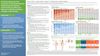
 This study demonstrated that litifilimab significantly reduced disease activity in cutaneous lupus erythematosus by Week 16, with improvements most notable in sunlight-exposed skin areas.
 1 citations
,
December 2018 in “Journal of cutaneous pathology”
1 citations
,
December 2018 in “Journal of cutaneous pathology” This study found that 11% of cutaneous focal mucinosis lesions demonstrated follicular induction, which can mimic basal cell carcinoma histologically and complicate diagnosis.