 2 citations
,
March 2005 in “International Journal of Cosmetic Science”
2 citations
,
March 2005 in “International Journal of Cosmetic Science” Human hair structure varies by ethnicity, and certain treatments can improve hair condition and appearance.
 6 citations
,
July 2024 in “The Journal of the American Board of Family Medicine”
6 citations
,
July 2024 in “The Journal of the American Board of Family Medicine” This study found that while GPT-4 shows high accuracy and efficiency in clinical decision making, physicians' critical thinking and lifelong learning skills remain essential, particularly in addressing and interpreting AI errors in medical settings.
 September 2025 in “Pakistan Journal of Science”
 This study observed that individuals with type 1 diabetes mellitus have notably lower levels of essential and trace elements like Calcium, Potassium, and Zinc in biological samples compared to non-diabetic controls.
 7 citations
,
January 1990 in “Eisei kagaku”
7 citations
,
January 1990 in “Eisei kagaku” This study suggests that analyzing hair care product components left on hair using GC and GC-MS may provide a more objective forensic comparison than morphological examination.
 65 citations
,
January 2005 in “American journal of clinical dermatology”
65 citations
,
January 2005 in “American journal of clinical dermatology” This article reviews the diagnosis and treatment of tinea capitis in children, noting that newer antifungal agents can offer effective systemic therapy alongside supportive topical treatments; it reports no new clinical findings.
 10 citations
,
June 2001 in “International Journal of Cosmetic Surgery and Aesthetic Dermatology”
10 citations
,
June 2001 in “International Journal of Cosmetic Surgery and Aesthetic Dermatology” This article reviews recent hair restoration techniques evaluated in case studies at WHS/ISHRS workshops but reports no new clinical results, highlighting the need for further research with larger study groups.
 2 citations
,
January 2013
2 citations
,
January 2013 This review discusses various forensic applications of hair analysis, such as species identification and drug addiction testing, and reports no new study results.
 1 citations
,
April 2015 in “Current problems in dermatology”
1 citations
,
April 2015 in “Current problems in dermatology” The document concludes that the trichogram is a useful tool for diagnosing hair loss and suggests semi-organ cultures for practical trichological research.
 33 citations
,
December 2013 in “Journal of cutaneous pathology”
33 citations
,
December 2013 in “Journal of cutaneous pathology” A fungal infection can look like a different scalp condition in teens, leading to wrong treatment until proper tests are done.
 19 citations
,
October 2014 in “Veterinary Dermatology”
19 citations
,
October 2014 in “Veterinary Dermatology” Dermoscopy is a good, noninvasive way to see normal cat skin structures and could be useful for check-ups.
17 citations
,
February 2022 in “Microscopy Research and Technique” This study reports that different animal species exhibit distinct hair scale patterns and elemental compositions, which can aid forensic investigations in identifying animal hair.
 35 citations
,
January 1993 in “International Journal of Dermatology”
35 citations
,
January 1993 in “International Journal of Dermatology” In this study, most hair disorders among HIV-1 positive patients were associated with low helper T cell counts, with papulosquamous conditions like seborrheic dermatitis and psoriasis being the most common.
 16 citations
,
July 2016 in “Veterinary Dermatology”
16 citations
,
July 2016 in “Veterinary Dermatology” This study found that dermoscopy can identify distinctive features in canine pattern alopecia, such as hair shaft thinning and pigmentation patterns, which may aid in diagnosing this and potentially other skin disorders.
 6 citations
,
October 2020 in “Journal of the European Academy of Dermatology and Venereology”
6 citations
,
October 2020 in “Journal of the European Academy of Dermatology and Venereology” This article introduces teletrichoscopy as a method for diagnosing hair disorders during the COVID-19 pandemic and reports no new clinical results.
 4 citations
,
October 2012 in “Archives of Dermatology”
4 citations
,
October 2012 in “Archives of Dermatology” Hair diameter diversity is a key sign for diagnosing and managing male pattern baldness.
 1 citations
,
June 2016 in “Equine Veterinary Education”
1 citations
,
June 2016 in “Equine Veterinary Education” This article discusses various diagnostic techniques for investigating equine skin diseases and reports no new clinical results.

In this case report, researchers documented a 19-year-old male professional athlete with acquired trichorrhexis nodosa, noting environmental factors like chlorine exposure during swimming may have contributed to his condition, which improved after advice on hair care changes.
 September 2023 in “Cutis”
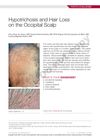
 This study presents a case of a 6-month-old infant girl with hypotrichosis and an alopecic plaque in the occipital region, characterized by broken and dystrophic hairs with follicular papules and perifollicular hyperkeratosis, suggesting a diagnostic consideration.
 July 2023 in “International journal of dermatology, venereology and leprosy sciences”
 In this study of 50 rural children with tinea capitis, 64% had the non-inflammatory type, while 28% had the inflammatory type, with most cases showing positive results in KOH examinations.
 108 citations
,
March 2011 in “Archives of Dermatology”
108 citations
,
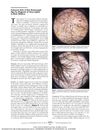
March 2011 in “Archives of Dermatology” Corkscrew hair may be a new sign for quickly diagnosing scalp fungus in black children.
 9 citations
,
May 2001 in “Journal of the American Veterinary Medical Association”
9 citations
,
May 2001 in “Journal of the American Veterinary Medical Association” This case report describes a cat that developed alopecia and hyperactivity after ingesting valproic acid from contaminated household food, with symptoms resolving after the drug was removed.

In this report, a 51-year-old woman with systemic lupus erythematosus presented with recurrent joint pain and irregular patches of hair loss, raising differential diagnoses of androgenetic alopecia, lupus-related alopecia, or seborrheic dermatitis.
 February 2022 in “International journal of research in dermatology”
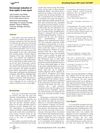
 This case series describes seven distinct hair shaft disorders, highlighting the importance of accurate diagnosis since these conditions are often treated incorrectly as alopecias without improvement.
 April 2019 in “Dermatology reports”
 This case study reported that scalp dermoscopy, or trichoscopy, provided a useful noninvasive method to evaluate and confirm hair regrowth in a child treated for tinea capitis.
 July 2018 in “Elsevier eBooks”
 This chapter details the causes and diagnostic process of pediatric alopecia, including trichoscopic findings, but reports no new clinical results.
 28 citations
,
January 2007 in “Journal of dermatology”
28 citations
,
January 2007 in “Journal of dermatology” This case report describes instances of lipedematous scalp and lipedematous alopecia in white adults, indicating these rare conditions may be more widespread and frequent in this population than previously thought.
 2 citations
,
January 2012 in “International Journal of Trichology”
2 citations
,
January 2012 in “International Journal of Trichology” This case report describes the first Indian patient diagnosed with short anagen syndrome, detailing the clinical and pathological characteristics of a 30-year-old woman with the condition.
 July 2022 in “Berkala Ilmu Kesehatan Kulit dan Kelamin/Berkala ilmu kesehatan kulit dan kelamin (Periodical of dermatology and venerology)”
 This study reviewed medical records of tinea capitis patients at a clinic in Surabaya, finding that the condition predominantly affected young males and was often associated with contact with cats.
 January 2018 in “International Journal of Medical Reviews and Case Reports”
 This case study reports that a 6-year-old girl with pediculosis capitis experienced scalp pruritus, pustules, crusting, excoriation, and cicatricial alopecia but showed a good clinical response to permethrin and antibiotics, with no lice detected afterward.
 January 2025 in “Journal of Case Reports and Scientific Images”
 In this case report, a 65-year-old woman was diagnosed with folliculotropic mycosis fungoides after experiencing scarring alopecia and intense pruritus, highlighting the importance of early diagnosis due to its aggressive nature.