April 2026 in “ACS Applied Materials & Interfaces” In this study, researchers developed a probiotic-based microneedle system combining Weissella cibaria and clascoterone to target androgenetic alopecia, which in a mouse model improved hair density, vascular regeneration, and reduced inflammation, suggesting a promising treatment approach.
June 2021 in “International Journal of Biosciences (IJB)” This study reports that both aqueous and methanolic extracts of Tridax procumbens flowers demonstrated antibacterial activity against selected bacteria, indicating potential as antibacterial agents.
 January 2022 in “Dermatology Review”
 In this study, microneedling combined with bleomycin treatment for plantar warts improved the response time and reduced the number of treatment sessions needed, with a relapse rate similar to other injection-based methods.
November 2025 in “OPAL (Open@LaTrobe) (La Trobe University)” In this study, researchers developed a hierarchically engineered microreactor that effectively combats infected wounds by releasing antimicrobials at acidic sites, eradicating MRSA while avoiding resistance, and enhancing tissue repair through immune system modulation.
April 2026 in “SSRN Electronic Journal” 36 citations
,
August 2020 in “Polymers” The researchers developed semi-dissolving microneedle patches using TEMPO-oxidized bacterial cellulose nanofibers, which allow effective transdermal drug delivery by forming micro-channels for large drug quantities, overcoming traditional microneedles' low drug loading.

Flubendazole in a nanoemulsion can potentially treat lung cancer and cryptococcal meningitis effectively and safely.
 36 citations
,
June 2019 in “eLife”
36 citations
,
June 2019 in “eLife” This study introduces MicrobeFDT, a tool that clusters chemically similar compounds and links them to gut microbial enzymes and toxicities, demonstrating its utility by uncovering previously unknown metabolism of the cancer drug altretamine.
 12 citations
,
January 2024 in “Editora In Vivo eBooks”
12 citations
,
January 2024 in “Editora In Vivo eBooks” This case report from the study describes a dog suffering from dermatophytosis caused by Microsporum canis, presenting with alopecia on the neck and ear, illustrating the zoonotic risk of these fungal infections in both animals and humans, particularly in hot and humid climates.
October 2025 in “Brazilian Journal of Veterinary Research and Animal Science” The researchers reported a case of a neotropical porcupine co-infected with Brazilian porcupine poxvirus and Toxoplasma gondii, suggesting the need for further investigation into the impact of this interaction.
 39 citations
,
June 2019 in “Toxins”
39 citations
,
June 2019 in “Toxins” This review explores the therapeutic potential of bee venom for treating various skin diseases, discussing its mechanisms and effects but reports no new clinical findings.
12 citations
,
August 2004 in “Veterinary Dermatology” This study found that treating cats infested with Lynxacarus radovskyi using Fipronil resulted in complete resolution of the infestation by day 15.
 August 2018 in “Journal of The American Academy of Dermatology”
 Ozenoxacin 1% cream is an effective and safe treatment for impetigo in children and adults.
 11 citations
,
January 2023 in “BioMed Research International”
11 citations
,
January 2023 in “BioMed Research International” This review discusses the use of microbial biosurfactants as a safer alternative to chemical surfactants in cosmetics due to their antibacterial, moisturizing, and low toxicity properties, but it reports no new clinical findings.
This study found that four bacterial isolates from a microbiology laboratory collection demonstrated resistance to selenate, with molecular analysis showing they closely resemble different strains of Bacillus megaterium.
21 citations
,
February 1988 in “Toxicology” This study found that high doses of TCB caused severe toxicity in cotton top marmoset monkeys, with clinical and histological changes similar to those in humans and other primates exposed to PCBs.
1 citations
,
January 2016 in “Journal of Clinical & Experimental Dermatology Research”  1 citations
,
January 2024 in “Journal of applied pharmaceutical science”
1 citations
,
January 2024 in “Journal of applied pharmaceutical science” This study investigated bacterial isolates from Xylocarpus sp. mangrove fruit and found that these symbiotic bacteria exhibit antibacterial, antifungal, and hair follicle growth properties, suggesting potential applications in the cosmetic bioindustry, particularly for treating alopecia.
July 2017 in “OPAL (Open@LaTrobe) (La Trobe University)” In this study, researchers investigated the role of the ATX-LPA axis in asthma pathogenesis using human and mouse models and highlighted the potential for developing new ATX inhibitors as effective asthma treatments.
 August 2024 in “Bioscience of Microbiota Food and Health”
 In this review, researchers examined the link between microorganisms and vitiligo, highlighting how microbes might impact the disease's development and suggesting avenues for better treatment strategies based on these interactions.
April 2019 in “Journal of Investigative Dermatology” Gut microbiota influences the development of alopecia areata.
 22 citations
,
March 2018 in “American Journal of Clinical Dermatology”
22 citations
,
March 2018 in “American Journal of Clinical Dermatology” New acne treatments show promise as alternatives to traditional therapies.
 1 citations
,
November 2023 in “Journal of neurology”
1 citations
,
November 2023 in “Journal of neurology” This study reports a case of a patient with neuromyelitis optica spectrum disorders treated with eculizumab who developed fatal sepsis after insulin resistance emerged.
 1 citations
,
January 2000 in “Journal of pharmacopuncture”
1 citations
,
January 2000 in “Journal of pharmacopuncture” This study confirmed that microneedle therapy systems (MTS) significantly improve hair growth and skin conditions, including acne and acne scars, without serious side effects.
 53 citations
,
April 2021 in “Cell Host & Microbe”
53 citations
,
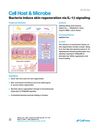
April 2021 in “Cell Host & Microbe” This study found that skin microbiota, particularly in wild-type mice, promotes wound-induced hair follicle neogenesis and wound healing, highlighting the potential downsides of routine antibiotic use on skin regeneration.
4 citations
,
January 1886 This article covers the classification and roles of various microbes, such as those involved in fermentations and environmental processes, but it does not provide new research results.
3 citations
,
September 2021 in “Annals of Plastic Surgery” In this preliminary study, topical treatment with oxygen-carrying micro/nanobubbles hastened the healing of full-thickness burn wounds in a rodent model, compared to saline-treated controls.
November 2025 in “Probiotics and Antimicrobial Proteins”  September 2024 in “Cermin Dunia Kedokteran”
 This article reviews Frambusia, a skin-contact-spread tropical infection, and stresses improving medical professionals' diagnostic and treatment skills to achieve the WHO's eradication target by 2030, without reporting new results.