 6 citations
,
March 2014 in “Annals of Pharmacotherapy”
6 citations
,
March 2014 in “Annals of Pharmacotherapy” This case report suggests that anidulafungin may be associated with hair loss, highlighting the need for physicians to monitor this potential adverse effect.
July 2023 in “Zenodo (CERN European Organization for Nuclear Research)” This case report describes a 6-year-old boy with a scalp infection caused by Candida parapsilosis, which was successfully treated with 2% ketoconazole ointment after other treatments failed; antifungal susceptibility testing showed variable drug resistance.
 6 citations
,
January 2023 in “Medical Mycology Journal”
6 citations
,
January 2023 in “Medical Mycology Journal” In this case study of a 64-year-old woman with kerion celsi caused by Microsporum canis, treatment with the oral antifungal fosravuconazole resulted in symptom resolution without scarring or side effects over 12 weeks, suggesting its potential effectiveness for various dermatomycoses.

In this study, researchers evaluated 27 drugs for antifungal activity against Cryptococcus strains and found that some antiparasitics and antidepressants showed potential by reducing fungal growth and capsule size, with particular enhancements when combined with fluconazole.
 January 2018 in “Springer eBooks”
 Terbinafine is the most effective medicine for fungal nail infections, especially for diabetics and those with weak immune systems.
 113 citations
,
August 2016 in “Mycopathologia”
113 citations
,
August 2016 in “Mycopathologia” This review discusses the developments in antifungal treatments for dermatophyte infections since 2008, reporting no new oral agents but introducing newer topical options like efinaconazole and tavaborole.
 109 citations
,
March 2011 in “Journal of controlled release”
109 citations
,
March 2011 in “Journal of controlled release” This study found that econazole nitrate delivered via MPEG-dihexPLA micelles significantly increased skin deposition compared to Pevaryl® cream, potentially enhancing drug bioavailability and clinical efficacy.
 February 2006 in “Journal of The American Academy of Dermatology”
 Terbinafine is more effective than itraconazole for toenail fungus, especially in older patients, and debridement improves its effectiveness.
5 citations
,
January 2020 in “Veterinary Dermatology” In this study, researchers evaluated the antifungal effectiveness of topical products on infected kitten hair, finding most were effective after one application, with enilconazole and lime sulfur showing residual activity; however, 0.15% ketoconazole with chlorhexidine had no such lasting effect.
September 2015 in “Photodiagnosis and Photodynamic Therapy”  21 citations
,
July 2014 in “Antimicrobial Agents and Chemotherapy”
21 citations
,
July 2014 in “Antimicrobial Agents and Chemotherapy” This study found that finasteride alone is highly effective in preventing Candida albicans urinary biofilms and shows synergistic activity with fluconazole in vitro, suggesting potential for further clinical investigation.
 1 citations
,
August 2025 in “Journal of Neonatal Surgery”
1 citations
,
August 2025 in “Journal of Neonatal Surgery” This study evaluated a new nanogel formulation containing Ciclopirox Olamine for treating cutaneous candidiasis, finding that the optimized version offered improved skin penetration, sustained drug release, and effective antifungal action against Candida albicans compared to conventional treatment.
 1 citations
,
January 2007 in “The Kitakanto Medical Journal”
1 citations
,
January 2007 in “The Kitakanto Medical Journal” This report documents a case where a man survived sub-acute toxicity from an overdose of the anticancer drug UFT due to effective treatment with antibiotics and granulocyte colony-stimulating factor.
25 citations
,
July 2022 in “Pharmaceutics” This study optimized efinaconazole spanlastic nanovesicles using risk management and multivariate analysis for potential transungual delivery to treat onychomycosis, achieving improved drug permeability and dissolution efficiency.
 42 citations
,
September 2018 in “Journal of Fungi”
42 citations
,
September 2018 in “Journal of Fungi” This study highlights the challenges in treating Microsporum canis infections due to variable antifungal drug efficacy and potential resistance, emphasizing the need for standardized methods to assess drug susceptibility.
 April 2026 in “Lithuanian University of Health Sciences”
 In this study, cinnamic acid in solution form showed strong antifungal activity against Microsporum canis, but when incorporated into hydrogels, the acid's diffusion and resulting antifungal performance decreased, though it maintained effectiveness for potential prolonged exposure.
2 citations
,
October 2015 in “Mikrobiyoloji bülteni” This case report describes a 20-year-old female with favus caused by T. schöenleinii, which initially improved with antifungal treatment but recurred due to poor adherence, underscoring favus as an ongoing health issue in Turkey.
 May 2023 in “Asian journal of research in pharmaceutical sciences”
 This study concluded that topical ketoconazole is effective and safe for treating superficial fungal infections and has potential for new dermatologic uses despite concerns over oral administration's adverse effects.
 89 citations
,
May 1999 in “Pediatric Dermatology”
89 citations
,
May 1999 in “Pediatric Dermatology” This article reviews the treatment options for tinea capitis, suggesting that itraconazole, terbinafine, and fluconazole are effective and safe alternatives to griseofulvin but reports no new clinical results.
 9 citations
,
January 2008 in “Medical mycology”
9 citations
,
January 2008 in “Medical mycology” In this study, ketoconazole treatment successfully cured a dog with erythematous epilation caused by Chaetomium globosum, with new hair growth observed 9 weeks later.
 March 2021 in “Jurnal Biomedik : JBM”
 This literature review found that systemic antifungals, including griseofulvin, terbinafine, and azole derivatives, are effective against dermatophytosis, though their effectiveness varies with the type of infection and treatment duration.
14 citations
,
January 1991 in “PubMed” This study reports that once-daily oxiconazole cream effectively achieves mycologic and clinical cures for various fungal infections, with success rates of at least 80% in patients.
November 2025 in “JEADV Clinical Practice” In this case report, a 28-year-old woman's tinea capitis, diagnosed using a Wood's lamp, was successfully treated with oral itraconazole and ketoconazole shampoo over eight weeks.
This study observed that antifungal treatment in fungal asthma patients led to a significant decrease in oral corticosteroid use, though the clinical importance remains unclear due to potential confounders.
1 citations
,
November 2009 in “Nurse prescribing” This study reports that a 6–12-week course of oral griseofulvin can achieve mycological cures in 70% to 100% of tinea capitis cases.
 April 2026 in “Ankara Üniversitesi Veteriner Fakültesi Dergisi”
 This study found that Mueller-Hinton Agar performed better than Dermasel Agar for antifungal susceptibility testing of feline dermatophytes, providing reliable susceptibility data for effective antifungal therapy.
 January 2026 in “Anti-Infective Agents”
 This study developed a nanohydrogel containing itraconazole and mometasone for treating scalp and beard fungal infections, demonstrating improved antifungal efficacy, longer retention, and better patient acceptance compared to conventional treatments.
 February 2024 in “Medical mycology case reports”
 This study reported the presence of dermatophyte macroconidia directly in clinical samples from a 3-year-old boy with tinea capitis, marking the first time this has been documented. The infection, caused by Microsporum ferrugineum, was successfully treated with systemic itraconazole and topical ketoconazole shampoo.
 May 2022 in “International journal of infectious diseases”
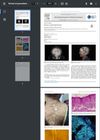
 In this case study, a 70-year-old woman with generalized favus caused by Trichophyton schoenleinii achieved a clinical and mycological cure after a one-month terbinafine treatment.
September 2019 in “Ukrainian Journal of Dermatology Venerology Cosmetology” In this study, 90 pediatric patients with scalp microsporia were treated with a combination of griseofulvin, Antral, sertaconazole nitrate cream, and Bion 3 Kid, resulting in complete recovery, reduced treatment duration, and prevention of disease recurrence and colds, with high drug tolerability.