 December 2023 in “PubMed”
 This study highlights that homemade topical herbal preparations, although popular for their perceived safety, may lead to allergic reactions, notably with Mediterranean herbs, and advises cautious use, particularly for allergy-prone individuals.
4 citations
,
April 2025 in “Archives of Dermatological Research” This review highlights the growing interest in plant-based cosmetics, emphasizing their potential to provide safer and effective alternatives to synthetic products for skin care, though further research is needed to fully understand their benefits and risks.
 4 citations
,
September 2018 in “Rendiconti lincei. Scienze fisiche e naturali”
4 citations
,
September 2018 in “Rendiconti lincei. Scienze fisiche e naturali” This study concluded that spikenard specimens in Renaissance Italian herbaria are attributed to Nardostachys jatamansi, a plant used in traditional medicine and cosmetics.
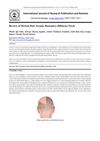 January 2024 in “International Journal of Research Publication and Reviews”
 The herbal hair serum with rosemary, hibiscus, and neem is safe and effective for hair care.
 March 2024 in “Revista Agraria Academica”
 This review reported that the dwarf palm (Chamaerops humilis) is traditionally used in North Africa for treating diabetes and gastrointestinal diseases, and identified a need for more research on its pharmacological and ethnobotanical properties, particularly in relation to its potential cancer-fighting uses.
 9 citations
,
July 2021 in “Journal of Natural Medicines”
9 citations
,
July 2021 in “Journal of Natural Medicines” This review summarizes research finding over 150 new molecules with various biological activities from traditional herbal medicines studied in China, Mongolia, Uzbekistan, and Bangladesh.
 January 2025 in “International Journal of Herbal Medicine”
 This review highlights that while dandruff affects over 50% of humans and cannot be fully eradicated, it can be controlled through chemical treatments that may cause side effects or herbal remedies such as Neem and Tea tree oil, which have longstanding use in hair care.
 January 2022 in “Acta botanica Caucasica”
 This study evaluated herbal cosmetic products used in Turkiye, identifying 140 plant species and highlighting walnut, common nettle, and grape as popular for various traditional uses.
 16 citations
,
September 2015 in “Journal of Ethnopharmacology”
16 citations
,
September 2015 in “Journal of Ethnopharmacology” This review examines the long-standing use of "Dictamnus" in traditional medicine, highlighting the promising potential of D. albus and D. hispanicus as herbal drug candidates, but presents no new experimental findings.
 1 citations
,
June 2022 in “International Journal of Health Sciences (IJHS) (En línea)”
1 citations
,
June 2022 in “International Journal of Health Sciences (IJHS) (En línea)” This review discusses the importance of herbal oils for hair health, emphasizing their benefits over synthetic products due to fewer potential side effects, and reports no new experimental findings.
 February 2025 in “International Journal of Advanced Research in Science Communication and Technology”
 This review highlights the potential benefits of fenugreek seed-based oils for hair health, suggesting they may enhance scalp health and hair growth while reducing conditions like dandruff and hair loss.
4 citations
,
June 2025 in “Molecules” This review evaluates traditional uses, phytochemical profiles, and pharmacological activities of Mediterranean Erica species, revealing the wide range of bioactive compounds and highlighting their antioxidant, anti-inflammatory, and antimicrobial activities. Further studies are suggested to fully understand their medicinal potential.
1 citations
,
May 2025 in “Preprints.org” This review evaluates the traditional uses, phytochemical profiles, and pharmacological potential of Mediterranean Erica species and reports no new clinical results, highlighting the need for further studies.
 December 2025 in “International Journal of Therapeutic Innovation.”
 This study developed an herbal hair mask using natural ingredients like rice water, aloe vera gel, and coconut oil, which demonstrated moisturizing, strengthening, and protective properties, potentially aiding in maintaining healthy and resilient hair.
21 citations
,
November 2022 in “Clinical Cosmetic and Investigational Dermatology” This review highlights the potential of several medicinal plants as treatments for seborrhea dermatitis by inhibiting Malassezia growth and reducing symptoms like itching and redness, amid challenges of drug adherence and side effects in existing therapies.
 4 citations
,
July 2022 in “International Journal of Health Sciences”
4 citations
,
July 2022 in “International Journal of Health Sciences” This review discusses rosemary's potential health benefits, including improved scalp circulation and skin protection, but reports no new clinical findings and highlights the need for better regulation and safety data on herbal medicines.
 February 2024 in “Curēus”
 This review highlights the critical importance of a balanced diet, with adequate proteins, vitamins, and minerals, to support skin health and potentially treat inflammatory skin conditions like psoriasis and atopic dermatitis, emphasizing the need for evidence-based dietary guidance.
 2 citations
,
November 2022 in “Frontiers in Pharmacology”
2 citations
,
November 2022 in “Frontiers in Pharmacology” This study systematically documented the ethnobotanical and ethnomedicinal knowledge from traditional healers in Addis Ababa, identifying 81 medicinal plants, including the endangered Echinops kebericho, used primarily for treating skin and general diseases.
 September 2025 in “International Journal of Biology Pharmacy and Allied Sciences”
 In this review, the authors examined the bioactive compounds in rosemary, noting its potential anti-inflammatory, antimicrobial, wound-healing, and anticancer activities, and highlighted its use in traditional medicine and cosmetics for conditions such as aging, baldness, and sun damage.
 57 citations
,
October 2021 in “Journal of ethnopharmacology”
57 citations
,
October 2021 in “Journal of ethnopharmacology” This review compiled by the authors emphasizes the traditional use of medicinal plants for dermatological disorders in India, highlighting the need for further scientific studies to validate their effectiveness and suggesting potential for drug development based on ethnodermatological practices.
 August 2024 in “PLoS ONE”
 This study reported that rosemary is widely used among Jordanians for various purposes, such as improving hair condition and addressing gastrointestinal issues, with younger participants showing higher knowledge about its benefits and uses.
 22 citations
,
July 2017 in “BMC complementary and alternative medicine”
22 citations
,
July 2017 in “BMC complementary and alternative medicine” This study documented the use of 41 plant species in the West Bank for treating hair and scalp disorders, highlighting their folkloric significance and potential for new cosmetic and cosmeceutical products.
 5 citations
,
October 2025 in “International Journal of Nanomedicine”
5 citations
,
October 2025 in “International Journal of Nanomedicine” This review discusses the role of traditional Chinese medicine and bioactive materials in chronic wound healing and reports no new clinical results.
 1 citations
,
January 2010 in “Springer eBooks”
1 citations
,
January 2010 in “Springer eBooks” Certain micronutrients may improve hair and nail health, but more research is needed to confirm their benefits.
 November 2024 in “Clinical Cosmetic and Investigational Dermatology”
 This review discusses various herbal alternatives, including rosemary oil and others, for managing androgenetic alopecia but reports that more research is needed to confirm the efficacy of these natural remedies.
57 citations
,
May 2021 in “Molecules” This review explores the chemical composition and biological activities of essential oils from selected aromatic roots, highlighting their potential for various industries, though more research is needed to standardize their bioactive components.
27 citations
,
April 2023 in “Pharmaceuticals” In this review, Ziziphus lotus was reported to have multiple traditional uses and demonstrated various pharmacological properties in lab and animal studies, with over 181 identified bioactive compounds; however, clinical trials are needed to confirm its efficacy as a medicinal agent.
4 citations
,
August 2025 in “Journal of Ovarian Research” This study focused on categorizing the research status of natural products for improving ovary and uterus quality, fertility, and weight loss in PCOS, but noted a lack of continuous studies connecting basic research to clinical trials.
 39 citations
,
June 2017 in “Journal of Applied Research on Medicinal and Aromatic Plants”
39 citations
,
June 2017 in “Journal of Applied Research on Medicinal and Aromatic Plants” This review examines around 68 plant sources from six major plant families, assessing their scientific rationale and use by the cosmeceutical industry for applications like anti-ageing and sun protection.
 December 2021 in “International journal of minor fruits, medicinal and aromatic plants”
 This review identifies common medicinal plant species in Sri Lankan home gardens and discusses their traditional Ayurvedic uses, but it reports no new clinical results.