 March 2022 in “Ophthalmology Journal”
 This case report describes a 45-year-old woman with a trichoadenoma of the eyelid, emphasizing the importance of histopathological examination for accurately diagnosing excised eyelid lesions.
64 citations
,
May 2000 in “International Journal of Dermatology” This study found that thalidomide increased peripheral lymphocyte counts and reduced inflammation in lupus erythematosus patients, but was associated with polyneuropathy, suggesting careful use in refractory cases.
 January 2026 in “Clinical Cosmetic and Investigational Dermatology”
 This study found that targeting both hormonal and immune pathways improved treatment outcomes in androgenetic alopecia patients with an under-recognized inflammatory component called PIILIF, which may contribute to treatment resistance.
7 citations
,
January 2025 in “Frontiers in Microbiology” In this study, researchers investigated the immunohistopathological characteristics of the skin in individuals during the acute phase of chikungunya infection, revealing CHIKV antigens and inflammatory infiltrates in various skin components and highlighting the role of cytokines/chemokines in the disease's skin manifestations.
 179 citations
,
December 2004 in “Journal of The American Academy of Dermatology”
179 citations
,
December 2004 in “Journal of The American Academy of Dermatology” This study observed that frontal fibrosing alopecia in postmenopausal women involves selective follicular inflammation, and finasteride treatment may slow disease progression, suggesting a potential androgen-related component.
 38 citations
,
January 2016 in “Cell Death and Disease”
38 citations
,
January 2016 in “Cell Death and Disease” This review discusses the role of the TCL1 transgenic mouse model in understanding chronic lymphocytic leukemia biology and highlights the importance of exploring new pathogenetic and therapeutic targets.
 90 citations
,
July 2008 in “Dermatologic therapy”
90 citations
,
July 2008 in “Dermatologic therapy” This article reviews lichen planopilaris, a chronic scarring alopecia, and explores recent treatment developments, but it reports no new clinical results.
 3 citations
,
May 2019 in “Australasian Journal of Dermatology”
3 citations
,
May 2019 in “Australasian Journal of Dermatology” This letter to the editors discusses the nature of alopecia in Cronkhite–Canada syndrome and questions whether it is truly telogen effluvium, but it reports no new clinical findings.
4 citations
,
April 2008 in “Experimental Dermatology” This review hypothesizes that nicotine plays a crucial role in the pathogenesis of hidradenitis suppurativa by promoting inflammation and microbial growth, suggesting that anticholinergic agents might be a potential treatment strategy, but reports no new clinical findings.
14 citations
,
July 2004 in “Australasian Journal of Dermatology” This case study describes a patient with rapidly progressing follicular mycosis fungoides, highlighting its unusual histology and challenges in diagnosing it against cutaneous B-cell lymphoma.
 November 2022 in “JAAD case reports”
 This report diagnosed a 68-year-old man with comedonal folliculotropic mycosis fungoides based on clinical and histopathological findings, and found pegylated interferon alpha-2a with isotretinoin beneficial in reducing skin lesions.
May 2024 in “International journal of medicine and psychology.” This study found that in laboratory rats, toxic concentrations of hydrogen sulfide affected the immune system differently depending on age and immune suppression status, with notable changes in immune cell levels and phagocytosis, suggesting significant roles in age-associated pathologies.
 38 citations
,
June 2005 in “Contact Dermatitis”
38 citations
,
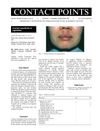
June 2005 in “Contact Dermatitis” This case report describes a patient with an allergic sensitization to minoxidil, indicating that such patients should pursue alternative therapies to treat androgenetic alopecia.
 29 citations
,
March 2001 in “Clinics in Dermatology”
29 citations
,
March 2001 in “Clinics in Dermatology” This article discusses various types of primary cicatricial alopecias and reports no new clinical results; it emphasizes the importance of accurate diagnosis for effective management.
 10 citations
,
April 2013 in “Veterinary dermatology”
10 citations
,
April 2013 in “Veterinary dermatology” In this study, four dogs with a novel skin disease showed clinical lesions involving verrucous, crusted papules and plaques, and responded variably to immunosuppressive therapy, suggesting an immune-mediated cause.
 1 citations
,
June 2020 in “bioRxiv (Cold Spring Harbor Laboratory)”
1 citations
,
June 2020 in “bioRxiv (Cold Spring Harbor Laboratory)” In this study, researchers identified unique prenatal lymphocyte features in human fetal skin, including proliferative naive T cells and memory-like T cells, which may influence antigen and allergen responses in utero and infancy.
 February 2009 in “Journal of The American Academy of Dermatology”
 This study suggests that fractional infrared technology may effectively improve cervical skin laxity by enhancing dermal thickness without adverse effects in a small pilot group.
 67 citations
,
February 2020 in “Journal of Ginseng Research”
67 citations
,
February 2020 in “Journal of Ginseng Research” This review evaluates and classifies the non-saponin components of Korean Red Ginseng, emphasizing their combined role with saponins in the plant's bioactivity, but reports no new clinical results.
 18 citations
,
January 2017 in “Annals of dermatology/Annals of Dermatology”
18 citations
,
January 2017 in “Annals of dermatology/Annals of Dermatology” This study found that Th17 lymphocytes may play a more crucial role than cytotoxic T cells in the development of alopecia areata due to their infiltration around the hair bulb/bulge, which exacerbates hair loss as histopathological grade worsens.
 May 2025 in “The Journal of Rheumatology”
 This case report describes a woman whose initial presentation of SLE was persistent watery diarrhea, diagnosed as lymphocytic enterocolitis, and shows that immunosuppressive therapy resulted in symptom relief.
 60 citations
,
September 2015 in “Expert Review of Clinical Immunology”
60 citations
,
September 2015 in “Expert Review of Clinical Immunology” This study suggests that CD8+ cytotoxic T lymphocytes play a crucial role in the development of alopecia areata, based on observations in rodent models that mimic human autoimmune disease.
 March 2017 in “Open access journal of surgery”
 This review discusses the historical development of platelet-rich fibrin from fibrin glue to platelet-enriched formulations and reports no new clinical results.
 June 2022 in “bioRxiv (Cold Spring Harbor Laboratory)”
 This study provides evidence that innate lymphoid cells-type 1 can induce alopecia areata in human hair follicles, challenging the view that it is solely a CD8+ T cell-driven autoimmune disease.
 49 citations
,
April 2003 in “Biomaterials”
49 citations
,
April 2003 in “Biomaterials” In this study, BS and BO combined showed a synergistic effect in enhancing wound healing in rat skin lesions compared to using either alone or Flamazine®.
 April 2018 in “Journal of Investigative Dermatology”
 This study suggests that mechanical tension significantly impacts lymphocyte function, and that a complete lymphocyte population is essential for effective wound healing and reducing inflammation.
 15 citations
,
July 1999 in “Dermatologic Clinics”
15 citations
,
July 1999 in “Dermatologic Clinics” This article discusses the potential for targeted therapies in hair loss by exploring inflammatory and cytokine-mediated processes, but it presents no new clinical results.
 September 2017 in “Journal of Investigative Dermatology”
 This study suggests that sweat glands may have an immune privilege similar to hair follicles, and disruptions in this could contribute to autoimmune skin diseases.
 76 citations
,
June 2008 in “Journal of the American Academy of Dermatology”
76 citations
,
June 2008 in “Journal of the American Academy of Dermatology” In this study, key histologic features such as mucinous perifollicular fibroplasia were identified to aid in the diagnosis of lichen planopilaris.
 11 citations
,
April 2016 in “The American Journal of Dermatopathology”
11 citations
,
April 2016 in “The American Journal of Dermatopathology” This review discusses the current knowledge on using special and immunohistochemical stains for diagnosing hair disorders, concluding that no stains are recommended for routine use in hair pathology.
 5 citations
,
July 2013 in “Our Dermatology Online”
5 citations
,
July 2013 in “Our Dermatology Online” This study found that lichen planopilaris was the most common variant of cicatricial alopecia among patients, with perifollicular fibrosis being a prevalent histopathological feature.