 1 citations
,
June 2023 in “Radiation oncology journal”
1 citations
,
June 2023 in “Radiation oncology journal” This study suggests that low-dose radiotherapy may lead to temporary neurological improvements in some Alzheimer's patients, with 20% showing cognitive improvement at 6 months; it was well-tolerated, though larger trials are needed for confirmation.
 May 2024 in “Indian Journal of Dermatology”
 In this case report, a 22-year-old female was diagnosed with follicular Dowling-Degos disease based on clinical and histological findings, with symptoms including skin lesions confined to hair follicles. The report emphasizes the importance of differentiating this rare variant from similar conditions for proper management.
1 citations
,
August 2021 in “Journal of Investigative Dermatology” ASLAN004 was safe and well-tolerated, supporting further development for treating certain diseases.
July 2025 in “Journal of Investigative Dermatology” Nelfb is essential for dermal fat development and survival.
January 2026 in “American Journal of Medical Genetics Part A” The researchers reported two brothers with a new variant of X-linked trichothiodystrophy associated with an RNF113A gene mutation, highlighting features such as intellectual disability and growth failure, but without previously reported endocrinological or genital abnormalities, underlining the importance of genetic counseling for such variants.
109 citations
,
April 1997 in “Journal of Lipid Research” This study found that pure linoleate deficiency in rats caused significant reductions in the accumulation of n-6 polyunsaturates and mild symptoms like growth retardation, compared to classical essential fatty acid deficiency.
 81 citations
,
November 2012 in “Journal of the National Cancer Institute”
81 citations
,
November 2012 in “Journal of the National Cancer Institute” This study found that FLCN deficiency in mice muscles led to increased mitochondrial biogenesis and a metabolic shift towards oxidative phosphorylation, with a similar advantage observed in FLCN-null kidney cancer cells.
3 citations
,
January 2021 in “Veterinary dermatology” This study describes a rare form of congenital alopecia in domestic short hair cats, characterized by hair shaft defects and follicular dystrophy similar to those seen in certain mutant mouse strains.
This review discusses loose anagen hair syndrome in children, characterized by non-scarring alopecia and increased hair shedding, and reports no new results; topical minoxidil may be used as a treatment.
February 2026 in “JEADV Clinical Practice” This report describes a rare case of scarring alopecia, diagnosed as lichen planopilaris (LPP), affecting solely the limbs, highlighting the necessity for thorough evaluation of LPP beyond the scalp.
February 2026 in “Endokrynologia Polska” This report presents two cases of Berardinelli–Seip syndrome, emphasizing the role of genetic analysis and comprehensive care in managing the variability and complications of this rare condition.
 7 citations
,
March 2020 in “Lasers in Medical Science”
7 citations
,
March 2020 in “Lasers in Medical Science” LLLT is a safe, promising hair loss treatment, but more research needed.
January 2015 in “Journal of Neuromuscular Diseases” This case report describes two boys with Danon disease, initially misdiagnosed due to increased transaminases, who exhibited cardiac issues and muscle pseudohypertrophy.
February 2021 in “PubMed” This case report presents a 2-year-old girl with type B loose anagen syndrome diagnosed through a painless hair pull test, avoiding unnecessary further tests or referrals.
 7 citations
,
June 2010 in “Journal of The American Academy of Dermatology”
7 citations
,
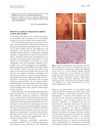
June 2010 in “Journal of The American Academy of Dermatology” This paper reports a single case of lichenoid cutaneous sarcoidosis that was unresponsive to standard treatments but showed marked improvement with the administration of oral tranilast.
 January 2012 in “Human health handbooks”
 This review discusses the application of low-level light therapy for hair loss treatment, particularly androgenetic alopecia, and reports no new clinical results; the authors suggest consideration of light source characteristics and potential pros and cons.
December 2025 in “Fertility and Sterility” Both LNG-IUD and systemic progestins are effective for fertility-sparing treatment, but close monitoring is needed due to recurrence risk.
 9 citations
,
October 2020 in “Journal of The American Academy of Dermatology”
9 citations
,
October 2020 in “Journal of The American Academy of Dermatology” This letter discusses the limited adaptation of low dose oral minoxidil for androgenetic alopecia in North America and reports no new clinical results; the authors suggest safety concerns or unclear dosing may be factors.
2 citations
,
February 2018 in “Journal of bone oncology” This study found that low-dose chemotherapy for solitary bone lesions of Langerhans cell histiocytosis in children led to quicker recovery, higher quality of life at 3 months, and was more cost-effective compared to surgery.
 8 citations
,
June 2012 in “PloS one”
8 citations
,
June 2012 in “PloS one” This study found that the Plcd3(mNab) mutation in mice worsens the alopecia caused by Plcd1 loss, suggesting synergistic effects between Plcd1 and Plcd3 on hair follicle health.
2 citations
,
June 2024 in “Skin Research and Technology” This study found that low-level laser stimulation activates the Wnt signaling pathway, promoting hair follicle stem cell regeneration and accelerating wound healing.
6 citations
,
October 2020 in “Actas Dermo-Sifiliográficas” This review discusses the effectiveness of low-level laser therapy for androgenetic alopecia, finding significant increases in hair density and growth for individuals treated with this method.
 9 citations
,
October 2008 in “British Journal of Dermatology”
9 citations
,
October 2008 in “British Journal of Dermatology” This case report describes a patient with primary cutaneous natural killer/T-cell lymphoma, nasal type, where monoclonal Epstein–Barr virus genome expansion was associated with terminal aggressive behavior after an indolent clinical course.
August 2009 in “Mechanisms of Development” 18 citations
,
May 2006 in “Journal of Cutaneous Medicine and Surgery” This study reports the first known case of linear lichen planopilaris following Blaschko's lines in a nonfacial region.
60 citations
,
July 2014 in “Autophagy” This study found that autophagy is impaired in Birt-Hogg-Dubé syndrome-associated renal tumors and identified that the FLCN protein interacts with key autophagy components regulated by ULK1.
 13 citations
,
February 2004 in “Clinical and Experimental Ophthalmology”
13 citations
,
February 2004 in “Clinical and Experimental Ophthalmology” This report describes the clinical and histopathological features of lipoid proteinosis in a brother and sister with lid lesions, highlighting the importance of recognizing such lesions for diagnosis.
7 citations
,
September 2013 in “Familial cancer” This review discusses recent insights into Birt–Hogg–Dube syndrome, including the functions of the FLCN gene and clinical recommendations for screening and treatment, but it reports no new experimental results.
October 2013 in “CRC Press eBooks” This review outlines current and potential cosmetic and dermatological applications of low-level light therapy, like photorejuvenation and hair regrowth, and reports no new clinical findings.
 25 citations
,
March 2013 in “British Journal of Dermatology”
25 citations
,
March 2013 in “British Journal of Dermatology” Woman has discoid lupus, frontal fibrosing, and androgenetic alopecia.