5 citations
,
September 2024 in “Life” Natural products can safely and effectively treat various human diseases.
4 citations
,
February 2024 in “Biomedicine” The authors concluded that specific comorbidities and complications increase the risk of severe COVID-19 and impede patient recovery, making them critical factors to control in order to lessen the disease's adverse effects.
 4 citations
,
February 2021 in “Nano select”
4 citations
,
February 2021 in “Nano select” This review discusses the role and therapeutic potential of mesenchymal cell-derived exosomes in organ development and disease treatment, highlighting their application in cell-free therapeutic strategies and current challenges faced in their use.
 4 citations
,
July 2012 in “Genesis”
4 citations
,
July 2012 in “Genesis” This study reported that a Megsin-Cre transgene enables genetic manipulation primarily in skin, forestomach, and esophagus tissues, offering a new tool for studying development and diseases in these areas.
3 citations
,
March 2023 in “PubMed” This case report describes a rare instance of successful treatment of feline leishmaniosis in a cat, with noted nephrotoxic effects possibly linked to long-term allopurinol use.
 3 citations
,
December 2021 in “Recent patents on anti-cancer drug discovery”
3 citations
,
December 2021 in “Recent patents on anti-cancer drug discovery” This review examines the role of SET7/9 in non-histone methylation and its implications in various diseases, including cancer, but presents no new clinical results.
 3 citations
,
April 2021 in “GSC Biological and Pharmaceutical Sciences”
3 citations
,
April 2021 in “GSC Biological and Pharmaceutical Sciences” This review discusses the traditional uses and reported bioactivities of Elephantopus scaber, but provides no new experimental results; the authors call for more research on its anticancer potential.
3 citations
,
July 1969 in “PubMed” This study found that unilateral neutron irradiation in pigs significantly decreased the uptake of radioactive zinc in blood, impaired growth, and led to decreased organ weights and hair pigmentation changes on the irradiated side.
 2 citations
,
December 2022 in “Journal of Biochemistry and Molecular Biology”
2 citations
,
December 2022 in “Journal of Biochemistry and Molecular Biology” This review discusses the development and potential applications of organoids for human disease modeling and regenerative medicine but reports no new experimental results.
A woman's use of minoxidil for hair loss caused fluid buildup in her chest, which went away when she stopped using the product.
2 citations
,
October 1961 in “Experimental Biology and Medicine” This study found that rabbits fed a diet deficient in Vitamin E developed severe muscular dystrophy that was not fully prevented by adding selenium, Vitamin E supplements, or natural feedstuffs, indicating other nutritional deficiencies.
 1 citations
,
May 2025 in “The Journal of Rheumatology”
1 citations
,
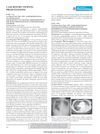
May 2025 in “The Journal of Rheumatology” This case report describes a physician's journey with systemic lupus erythematosus, illustrating the disease's impact on their professional life and treatment experiences, ultimately informing their holistic patient care approach.
 1 citations
,
December 2021 in “Tropical Journal of Pharmaceutical Research”
1 citations
,
December 2021 in “Tropical Journal of Pharmaceutical Research” This study concluded that adding Kanglaite injection to gemcitabine and cisplatin chemotherapy for advanced non-small cell lung cancer improved response rates and reduced adverse side effects.
 1 citations
,
July 2021 in “Organoid (Online)”
1 citations
,
July 2021 in “Organoid (Online)” This review discusses the promise of human organoid technology as an alternative to animal models in drug development, highlighting its growing research and commercial potential.
 1 citations
,
May 2021 in “Mayo Clinic Proceedings”
1 citations
,
May 2021 in “Mayo Clinic Proceedings” This medical case report describes a 69-year-old man's diagnosis and management of ANCA-associated vasculitis leading to rapidly progressive glomerulonephritis, ultimately treated with glucocorticoids and rituximab.
 1 citations
,
January 2020 in “Recent Research in Genetics and Genomics/Recent Research in Genetics and Genomics ”
1 citations
,
January 2020 in “Recent Research in Genetics and Genomics/Recent Research in Genetics and Genomics ” In this study, high doses of Lepidium sativum seeds extract were reported to cause toxicity and tissue damage in animals, suggesting the need for careful use under medical supervision.
1 citations
,
June 2008 in “中医杂志:英文版” This essay introduces Dr. Qiu's approach to treating consumptive syndromes with TCM after radio-chemotherapy, discussing how modern cancer treatments cause these symptoms and his unique perspective on their management.
 July 2026 in “Pharmaceuticals”
 This review examined mechanisms regulating muscle repair, highlighting disruptions in aging and chronic diseases like Duchenne muscular dystrophy and diabetes. It noted that chronic inflammation and metabolic dysfunction hinder effective regeneration and discussed emerging therapies, suggesting multi-target approaches could be promising despite limited clinical evidence.
May 2026 in “Mayo Clinic Proceedings” This review article connects key systemic lupus erythematosus pathobiology with current therapies, emphasizes clinical strategies for managing comorbidities, and stresses multidisciplinary care, but it reports no new clinical findings.
January 2026 in “International Journal of Dermatology” This study reports two cases where acquired perforating dermatosis was localized to the scalp and coincided with acute diffuse alopecia, suggesting perifollicular inflammation may link the two conditions.
 August 2025 in “Annals of Medicine”
 This study found that mycophenolate mofetil can enhance skin pigmentation in vitiligo models by activating the WNT signaling pathway and increasing melanin-related gene expression.
 June 2025 in “Academic Medical Journal”
 This study suggests elevated homocysteine levels may serve as a biomarker for disease severity and vascular risk in cutaneous lupus erythematosus, indicating potential therapeutic benefits from B-vitamin supplementation and lifestyle changes.
This review discusses the complex causal relationships between testosterone exposure and various health outcomes, but notes that the studies reviewed show substantial heterogeneity.
 December 2024 in “Medical Review”
 This review examined the role of organoid technology in modeling genetic diseases, highlighting its promise for understanding disease pathology and developing tailored treatments by integrating genetic insights with advancements in regenerative medicine and biological engineering.
 July 2024 in “Reproductive health of woman”
 This study found that teenage girls born via assisted reproductive technologies displayed premature development of secondary sexual characteristics and elevated hormone levels, indicating late precocious puberty and androgen excess.

This study found that patients with lupus nephritis experience a greater overall burden than those with systemic lupus erythematosus without nephritis, particularly impacting areas such as family planning, professional life, disease features, medication usage, and quality of life.
This study highlights the multifaceted benefits of Phyllanthus emblica L. (amla), noting its potential impact on inflammation, oxidative stress, cardiovascular and gastrointestinal health, memory, skin aging, hair growth, and safety cautions with certain medications.
 January 2024 in “JCEM case reports”
 In this clinical case report, a man with Birt Hogg Dube syndrome presented with parathyroid cancer, the first such case according to the authors, highlighting a potential link between Folliculin gene mutations and parathyroid cancer development.
 December 2023 in “Health Information Jurnal Penelitian”
 Among adults suffering from post-COVID syndrome, this study reported fatigue as the most common long-term effect, observed in 71.4% of cases, followed by shortness of breath, anxiety/depression, and memory and attention deficits.
July 2023 in “Journal of the European Academy of Dermatology and Venereology” In a Phase II trial, Cox and colleagues reported that anti-IL17A therapy was well tolerated and led to a 64% reduction in wound size for venous leg ulcers unresponsive to standard treatments, although further validation in a larger trial is needed.