January 2026 in “Health Food & Biotechnology” This study developed a sustainable biotechnological process using Bacillus licheniformis strains to produce keratin hydrolysate from chicken feathers, and found that cosmetic hair serum with this ingredient improved hair smoothness, elasticity, and shine in a small focus group.
March 1990 in “Journal of Dermatological Science” 16 citations
,
June 1992 in “Journal of Investigative Dermatology” February 2019 in “International Journal of Dermatology and Clinical Research” In this study, Nε-(carboxymethyl) lysine was found to weaken hair follicle morphogenesis and inhibit essential cell activities in a model simulating accumulated glycation.
 4 citations
,
August 2014 in “Journal of molecular structure”
4 citations
,
August 2014 in “Journal of molecular structure” In this study, the authors concluded that a hydrolyzed eggwhite protein treatment promoted the reconnection of disulfide bonds in excessively bleached hair, after reduction and oxidation processes in permanent waving.
 19 citations
,
January 2007 in “Biological & pharmaceutical bulletin”
19 citations
,
January 2007 in “Biological & pharmaceutical bulletin” This study found that glycine treatment inhibited melanogenesis in B16F0 melanoma cells and reduced melanin content in C57BL/6J mice by down-regulating tyrosinase protein levels.
 January 2019 in “Journal of cosmetology & trichology”
 In this study, researchers found that supplementation with L-cystine, either alone or with a keratin hydrolysate, significantly improved hair density, hair and nail brightness, and nail growth in women experiencing acute telogen effluvium and brittle nail syndrome over three months.
11 citations
,
January 2006 in “Journal of the American Leather Chemists Association” This study investigated multiple alkaline oxidative dehairing systems and found a consistent reaction mechanism for disulfide cleavage across systems, enhancing hair solubilization by enabling structural swelling and water uptake.
January 2016 in “Frontiers in Bioengineering and Biotechnology” This study developed keratin-based hydrogels with improved water solubility and tunable properties, demonstrating excellent cytocompatibility, suggesting potential for biomedical applications.
2 citations
,
December 1994 in “International Journal of Cosmetic Science” In this study, the combination of biologically engineered hyaluronic acid and polyquaternium-10 improved hyaluronic acid's retention and moisturizing effects on hair by forming a stable complex that increased binding affinity to keratin.
 April 2024 in “Current research in nutrition and food science”
 This study found that a food supplement improved skin moisturization, elasticity, and thickness, reduced telogen hair density, and enhanced nail status in women with mild-to-moderate aging signs after 84 days.
This study found that a bio-based repair solution containing hydrolysed wool keratin, serine, and transglutaminase improved the physical and chemical properties of damaged hair, increasing its strength, flexibility, and thermal stability while offering long-lasting protection against chemical damage.
116 citations
,
April 1986 in “The journal of cell biology/The Journal of cell biology” This study reports that a 190,000 molecular weight protein, identified as trichohyalin, may play a matrix role in the development of inner root sheaths in hair follicles.
75 citations
,
March 2018 in “Molecules/Molecules online/Molecules annual” This review discusses the potential health benefits of L-Cysteine, noting increased research interest but highlighting a lack of clinical trial data for consensus on its effectiveness.
59 citations
,
July 1972 in “Biochemistry” This study investigated the formation of a specific chemical crosslink in hair proteins and explored the role of transamidase enzymes in hair follicles.
 19 citations
,
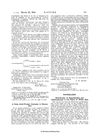
March 1961 in “Nature”
19 citations
,
March 1961 in “Nature” A fatty acid/protein complex in human hair helps protect it from damage.
 118 citations
,
May 2015 in “European journal of pharmaceutics and biopharmaceutics”
118 citations
,
May 2015 in “European journal of pharmaceutics and biopharmaceutics” This study found that the pH-sensitive hydrogel HECHA13, containing isoliquiritigenin, effectively inhibited the growth of Propionibacterium acnes and showed promise for transdermal delivery in acne treatment.
 September 2018 in “University of the Arts London Research Online (University of the Arts London)”
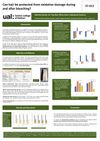
 This study assessed three materials—L-arginine, hydrolysed keratin, and cystine-silanol copolymer—ex vivo for their potential to reduce undesirable effects of hair bleaching, such as damage to hair proteins.
 9 citations
,
August 2007 in “Journal of animal science/Journal of animal science ... and ASAS reference compendium”
9 citations
,
August 2007 in “Journal of animal science/Journal of animal science ... and ASAS reference compendium” This study observed that amino acid uptake into wool follicles varies significantly, with cysteine showing the highest uptake rate, suggesting specialized transport systems that may influence wool growth.
 2 citations
,
December 2019 in “Textile Research Journal”
2 citations
,
December 2019 in “Textile Research Journal” This study found that L-cystine-modified rabbit hair fibers had improved dye adsorption and spinnability, due to changes in secondary structure and surface characteristics.
72 citations
,
May 1993 in “The Journal of Cell Biology” This study detailed the structure and amino acid composition of sheep trichohyalin, noting its presence in various tissues and suggesting a possible functional role beyond structural support in hair follicles.
76 citations
,
December 2011 in “Journal of Cell Science” This study found that keratins have evolutionarily conserved and domain-selectively enriched amino acids, which likely reflect their unique structural roles, with distinct patterns observed among epidermal, hair, and simple-type epithelial keratins.
2 citations
,
January 1981 High temperatures and certain chemicals can significantly change the amino acid content in human hair.
November 2016 in “The Molecular Biology Society of Japan” 40 citations
,
September 2004 in “Biomacromolecules” In this study, molecular dynamics simulations indicated that the Glu413Lys mutation in human hair keratin significantly affects the stability of coiled coil structures, whereas Glu413Asp showed no impact on stability.
October 2021 in “Authorea (Authorea)” In this study, using tyrosine as a cross-linking agent for hair perming showed better initial results compared to commercial products, though efficiency decreased after washing without compromising hair strength.
January 2026 in “International Journal of Biological Macromolecules” This study found that different polypeptides, including KP peptide and hydrolyzed keratin, can improve the mechanical properties of damaged hair under varying conditions, with reduction environments and cysteine content influencing their effectiveness.
 December 2025 in “Universal library of medical and health sciences.”
 This study analyzes contemporary theories and practices to understand key factors influencing the development of the examined phenomenon, proposing trends and practical applications for researchers and practitioners, while acknowledging study limitations and suggesting future research directions.
This study observed that hydrophobic modifications of hair matrix proteins significantly alter the humidity-dependent glass transition temperature of human hair.
5 citations
,
October 2007 in “PubMed” This study discusses the effects of incorporating various amino acids in hair care products, noting improvements in hair surface properties and color retention when integrated with conditioners.