 8 citations
,
June 2016 in “Journal of Pharmacy Practice”
8 citations
,
June 2016 in “Journal of Pharmacy Practice” This case report suggests that lisinopril may cause alopecia, which resolved after the patient switched to losartan potassium.
 1 citations
,
January 2015 in “Research Journal of Pharmacy and Technology”
1 citations
,
January 2015 in “Research Journal of Pharmacy and Technology” This article discusses the causes of alopecia and the psychological impact on adolescents experiencing hair loss, but reports no new research findings.
February 2023 in “Cureus” This study found a significant association between the severity of male pattern baldness and increased levels of depression, loneliness, and internet addiction among male medical students with androgenetic alopecia.
4 citations
,
July 2021 in “Skin Appendage Disorders” This case report describes canities subita, characterized by sudden hair whitening without hair loss, in a patient following a stressful event, suggesting an immune system involvement.
1 citations
,
June 2020 in “The Journal of Urology” This commentary discusses Post-Finasteride Syndrome as a challenge for clinicians and provides no new clinical results; the author focuses on the condition's manageability.
 September 2024 in “Cureus”
 In this case study, a 24-year-old female with treatment-resistant trichotillomania achieved a 9-month remission of hair-pulling and hair regrowth through mindset reframing, physical barriers, and community support, suggesting these approaches may offer promising interventions for individuals with similar conditions.
2 citations
,
March 2015 in “Postępy Nauk Medycznych” October 2020 in “ACSMʼs Health & Fitness Journal” This overview describes various disorders, including haphephobia, alopecia areata, and urinary incontinence, summarizing potential treatments and management strategies specific to each condition.
 171 citations
,
July 2007 in “Journal of Investigative Dermatology”
171 citations
,
July 2007 in “Journal of Investigative Dermatology” The researchers reported that DHT-inducible DKK-1 may play a significant role in DHT-driven balding by inhibiting hair follicle cell growth and promoting apoptosis in androgenetic alopecia.
 3 citations
,
October 2021 in “Kerala Journal of Psychiatry”
3 citations
,
October 2021 in “Kerala Journal of Psychiatry” Among breast cancer patients undergoing chemotherapy, this study found that anxiety and depression were present but did not affect overall quality of life.
 March 2024 in “Buletin de psihiatrie integrativă (Print)”
 This review identifies a significant link between telogen effluvium and increased psychological distress, including anxiety, depression, and social phobia, stressing the need for both medical and psychological care to improve affected individuals' quality of life.
 May 2023 in “Advances in medicine”
 In this study, Alopecia Areata patients were generally knowledgeable about their condition, believed it was due to genetic or health factors, and experienced significant anxiety and depression affecting their quality of life.
 March 2024 in “Cancer Research”
 This study found that eliminating senescent cells using senolytic drugs effectively prevented and reversed paclitaxel-induced peripheral neuropathy in mice.
38 citations
,
January 1991 in “International Journal of Dermatology” In this study, men with androgenic alopecia taking minoxidil gel generally showed no evidence of psychological malfunction, but those over 35 experienced greater psychological improvement when they had cosmetic success with the treatment.
 September 2024 in “Journal of the American Academy of Dermatology”
 In this study, Muslim women with alopecia who wear hijab generally reported a lesser impact on quality of life than those who do not wear hijab, and were less likely to seek medical care for their condition.
 August 2025 in “Psychiatry Neurology and Medical Psychology”
 This study investigated psychosocial adaptation in women with diffuse alopecia, finding that adaptation disorders, particularly related to depression and anxiety, more significantly impacted psychosocial adaptation than the alopecia's origin, highlighting areas for targeted psychological intervention.
 January 2024 in “Annals of Dermatology”
 This study highlights the lack of sufficient Korean epidemiological research examining the psychosocial aspects of female pattern hair loss, the leading cause of hair loss among women.

This review supports iron deficiency anemia as a valid cause of chronic generalized pruritus and suggests potential mechanisms by which iron deficiency may lead to pruritus, but reports no new clinical results.
 April 2008 in “Companion Animal”
 This article is a self-assessment by Rosa Angela Ragni and Kenneth Smith, reporting no new results.
 January 2017 in “Research Portal (King's College London)”
 This paper analyzes Hilary Mantel's memoir and suggests that conflicts between her bodily experiences and psychological identifications affected her acceptance of a female gender identity, influencing her experience of endometriosis.
 January 2021 in “Social Science Research Network”
 This review discusses the ethical and legal challenges faced by practitioners who conscientiously object to participating in euthanasia and assisted suicide, reporting no new clinical results.
November 2024 in “IP Indian Journal of Clinical and Experimental Dermatology” In this study, researchers reported that alopecia areata significantly impacts quality of life, with effects ranging from small to very large, especially for those with longer disease duration, highlighting the importance of psychological evaluation and support for affected patients.
June 2026 in “British Journal of Dermatology” This study found that subjective scalp sensations like hurting and burning are common among alopecia patients, with burning in particular showing a significant association with psychological distress in patients with lichen planopilaris and androgenetic alopecia, suggesting a potential psychoneuroinflammatory pathway.
February 2025 in “International Journal For Multidisciplinary Research” In this descriptive study conducted in a tertiary care center in Chennai, researchers observed that chemotherapy-induced hair loss seriously impacts the emotional well-being of cancer survivors, especially women and younger individuals, with severity of hair loss correlating strongly with psychological distress.
 3 citations
,
February 2014 in “Dermatologic Surgery”
3 citations
,
February 2014 in “Dermatologic Surgery” Low-dose finasteride may cause muscle weakness and eye issues, but stopping the drug can lead to recovery.

This review reports that androgenetic alopecia in young adult men is consistently linked to lower self-esteem, increased anxiety, and a higher risk of depression, suggesting significant psychosocial impacts beyond cosmetic concerns.
January 2026 in “European Journal of Cancer Care” In this cross-sectional study, social support was found to improve empowerment and alopecia-related quality of life in breast cancer patients, with an indirect benefit on quality of life achieved through enhanced empowerment.
 February 2026 in “Psycho-Oncologie”
 This narrative review highlights that alopecia areata significantly impacts the psychological wellbeing of cancer patients, contributing to distress, anxiety, and depression, and underscores the importance of integrating dermatologic care with psycho-oncology to improve patient outcomes.
 January 2013 in “Journal of dermatology”
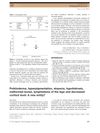
 This letter to the editor raises the possibility of a new medical entity characterized by symptoms such as poikiloderma, hyperpigmentation, alopecia, malformed bones, lymphedema, and decreased cortisol, but provides no clinical results.
 47 citations
,
July 1967 in “Science”
47 citations
,
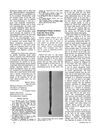
July 1967 in “Science” This study observed morphological changes in scalp hair follicles of humans deprived of protein for 15 days, which suggests potential use in diagnosing protein-calorie malnutrition.