23 citations
,
January 2017 in “BMC Medical Genetics” This study presents the first reported Spanish case of Hypotrichosis with Juvenile Macular Dystrophy, identifying a new CDH3 mutation and highlighting the importance of clinical and genetic evaluation for accurate diagnosis.
11 citations
,
January 2021 in “British Journal of Dermatology” This report describes a new case of syndromic ichthyosis caused by compound heterozygous mutations in AP1B1, detailing the associated clinical features and molecular consequences in the patient.
2 citations
,
July 2022 in “Journal of the Endocrine Society” This study identified several rare genetic variants related to insulin resistance in women with PCOS, highlighting the potential for monogenic conditions in patients with extreme or atypical phenotypes.
 1 citations
,
May 2023 in “European Journal of Human Genetics”
1 citations
,
May 2023 in “European Journal of Human Genetics” This study observed that numerical chromosomal aberrations were more common in men with severe male factor infertility and azoospermia compared to those with other sperm quality issues, while chromosomal translocations were significantly associated with oligoasthenozoospermia, highlighting important genetic counseling considerations.
6 citations
,
October 2022 in “International Journal of Molecular Sciences” This study found that Fgf5 mutant mice exhibited longer hair, particularly in males, likely due to a prolonged anagen phase in the hair cycle.
 2 citations
,
July 2011 in “AFRICAN JOURNAL OF BIOTECHNOLOGY”
2 citations
,
July 2011 in “AFRICAN JOURNAL OF BIOTECHNOLOGY” This study identified genetic variations in the DSG4 gene among sheep, revealing valuable markers for assessing their impact on wool traits.
 13 citations
,
December 2020 in “PLoS ONE”
13 citations
,
December 2020 in “PLoS ONE” This study found dependencies between genetic variants and various phenotypes related to fetal and early childhood growth and neurological development in healthy infants, suggesting significant gene candidates for further investigation.
 30 citations
,
June 2021 in “British Journal of Dermatology”
30 citations
,
June 2021 in “British Journal of Dermatology” This review discusses the association between WNT10A gene variants and various ectodermal disorders, highlighting their clinical relevance in dermatology and dentistry, but reports no new findings.
 20 citations
,
February 2019 in “Genes”
20 citations
,
February 2019 in “Genes” This study identifies a likely pathogenic homozygous missense variant in the AEBP1 gene in a patient with symptoms of classical Ehlers-Danlos syndrome, suggesting new perspectives for EDS classification and research.
 2 citations
,
April 2025 in “Frontiers in Genetics”
2 citations
,
April 2025 in “Frontiers in Genetics” This study investigated the genetic basis of coat color variation in cattle using skin transcriptome and whole-genome analyses, identifying the ASIP gene as a significant determinant that is differentially expressed and under strong positive selection in black and brown cattle breeds.
In a case report, this study identified a new genetic variant in a six-year-old girl from Saudi Arabia with hypotrichosis and juvenile macular dystrophy, expanding the understanding of the genetic spectrum of this rare condition in the region.
 July 2024 in “Journal of Rare Diseases”
 This review describes the genetic and phenotypic diversity of Woodhouse-Sakati syndrome, highlighting new DCAF17 gene variants and their varying clinical implications.
 1540 citations
,
October 2008 in “Fertility and Sterility”
1540 citations
,
October 2008 in “Fertility and Sterility” This review discusses the definition of polycystic ovary syndrome proposed by the AE-PCOS Society Task Force, emphasizing hyperandrogenism, ovarian dysfunction, and excluding related disorders, while noting potential variations needing more research.
 June 2024 in “Research Square (Research Square)”
 This study found that among young women in West Bengal, India, co-occurring PCOS and related conditions like estrogen resistance and leptin receptor insufficiency are common, with notable genetic variations identified, including impairments in leptin signaling and insulin resistance.
 June 2006 in “British Journal of Dermatology”
 Lower adrenal hormone levels may cause hair loss in postmenopausal women, certain patterns help diagnose nail cancer, and a gene variant linked to higher skin cancer risk in kidney transplant patients suggests monitoring folate levels.
June 2020 in “The journal of investigative dermatology/Journal of investigative dermatology” This study found that rare damaging variants in the KRT82 gene, which affect hair shaft integrity, may contribute to the risk of alopecia areata.
6 citations
,
August 2024 in “BMC Ophthalmology” This study identified multiple genetic variants in Pakistani families with oculocutaneous albinism, including two novel variants, enhancing understanding of its genetic basis and aiding better management and counseling.
 February 2024 in “BMC genomics”
 This study identified a gene variant in the TRPV3 gene that may explain the suri alpaca phenotype, characterized by longer and less crimped fleece, suggesting this variant's involvement in the development of these hair characteristics compared to the huacaya phenotype.
 1 citations
,
March 2023 in “Frontiers in Cardiovascular Medicine”
1 citations
,
March 2023 in “Frontiers in Cardiovascular Medicine” A specific gene variant is linked to heart disease, increased heart muscle, curly hair, and thick skin on palms and soles.
65 citations
,
September 2014 in “BMC genomics” This research found that variations in the KRTAP gene family are likely responsible for the diverse hair phenotypes seen among mammals, influenced by gene repertoire differences, expression, and evolutionary factors.
44 citations
,
December 2005 in “Journal of Investigative Dermatology” This study found significant associations between certain MICA variants and haplotypes with alopecia areata, suggesting MICA as a potential candidate gene linked to the disease's susceptibility and severity.
25 citations
,
April 2019 in “Animals” In this study, KRTAP28-1 variants were associated with wool fibre diameter in sheep, suggesting potential as a gene marker for reducing fibre diameter.
3 citations
,
July 2024 in “Frontiers in Medicine” This study reports that analyzing the clinical manifestations of different genetic variants in EBS families helps predict disease progression and severity, guide complication risk assessment, and plan necessary medical care.
March 2013 in “Pigment Cell & Melanoma Research” This study revealed that different coat patterns in cats and cheetahs are related to variations in the aminopeptidase Q gene and endothelin-3 expression, which affects pigment production.
 September 2022 in “Frontiers in genetics”
 This case study reports a new LAMB3 mutation linked to junctional epidermolysis bullosa with severe urinary tract stenosis, outlining treatment challenges and expanding knowledge of EB-related urological complications.
 May 2015 in “Journal of Investigative Dermatology”
 Melanoma risk tools need improvement, a gene mutation causes a hair disorder that might be treated by managing cell stress, a potential therapy for a skin-ear disorder involves blocking cell channels, skin wrinkling may indicate lung aging regardless of smoking, and oxidative stress might contribute to common baldness.
 103 citations
,
October 2003 in “Birth Defects Research”
103 citations
,
October 2003 in “Birth Defects Research” This review discusses the multifactorial etiology of hypospadias, including genetic predispositions and possible environmental factors, and highlights the need for further studies on genetic and environmental contributions to its increasing prevalence, without presenting new findings.
 13 citations
,
October 2024 in “Scientific Reports”
13 citations
,
October 2024 in “Scientific Reports” In this study using data from young women in West Bengal, India, the researchers identified that leptin signaling impairment, insulin resistance, and specific gene mutations significantly contribute to PCOS, with obesity commonly manifesting in affected individuals.
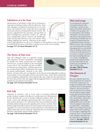 April 2015 in “Experimental Dermatology”
 Melanoma risk tools need improvement, certain gene mutations cause skin diseases and could be treated by targeting those mutations, skin wrinkling may relate to lung aging due to genetic factors, and oxidative stress affects hair loss but can be reduced in low oxygen.
 3 citations
,
December 2021 in “Frontiers in endocrinology”
3 citations
,
December 2021 in “Frontiers in endocrinology” In this study, a novel DCAF17 gene mutation was identified in a Chinese family, suggesting a potential role in pancreatic β cell dysfunction and diabetes development in Woodhouse-Sakati syndrome.