 16 citations
,
January 2011 in “Indian Journal of Dermatology, Venereology and Leprology”
16 citations
,
January 2011 in “Indian Journal of Dermatology, Venereology and Leprology” This article discusses various infection control practices necessary in dermatology to minimize exogenous infection risk and reports no new clinical results.
 April 2023 in “Journal of Investigative Dermatology”
 This study found that patients with Stevens-Johnson syndrome and toxic epidermal necrolysis exhibit lower levels and activity of DNase1, impairing NET degradation, and suggests DNase1 administration as a potential treatment.
 23 citations
,
June 2012 in “Molecular Biology Reports”
23 citations
,
June 2012 in “Molecular Biology Reports” This study found that human outer root sheath cells express VEGF receptor-2, and exogenous VEGF165 significantly stimulates their proliferation through activation of the ERK signaling pathway.
January 2026 in “MEDS Clinical Medicine” This review highlights emerging evidence that biophysical and metabolic cues, such as oxygen levels and tissue mechanics, significantly influence skin stem cell behavior, which is crucial for developing advanced wound healing therapies beyond traditional infection and inflammation control.
 August 2023 in “Journal of Clinical Medicine”
 This study found that metformin's effect on reducing prolactin levels is less pronounced in women with PCOS compared to control subjects, likely due to higher endogenous testosterone levels, despite improvements in insulin sensitivity in both groups after six months of treatment.
57 citations
,
November 2024 in “Aggregate” This review article highlights recent advancements in smart hydrogels as promising solutions for diabetic wound management, emphasizing their ability to respond to wound environments and deliver targeted therapies, while addressing limitations of traditional dressings.
 417 citations
,
February 2004 in “The Journal of Clinical Endocrinology and Metabolism”
417 citations
,
February 2004 in “The Journal of Clinical Endocrinology and Metabolism” This study found that testosterone therapy increased bone mineral density in older men with low testosterone, and combining it with finasteride may reduce prostate enlargement associated with testosterone treatment.
 50 citations
,
September 2011 in “Biochimica et Biophysica Acta (BBA) - Molecular and Cell Biology of Lipids”
50 citations
,
September 2011 in “Biochimica et Biophysica Acta (BBA) - Molecular and Cell Biology of Lipids” This review examines the role of retinoic acid synthesis in hair follicles and sebaceous glands, focusing on its localization and function during normal and disease states, but reports no new results.
66 citations
,
March 1998 in “Mayo Clinic Proceedings” This case report describes a 70-year-old woman whose obstructive sleep apnea resolved after the removal of a testosterone-producing ovarian tumor, supporting the theory that testosterone influences OSA in women.
54 citations
,
September 2012 in “The journal of investigative dermatology/Journal of investigative dermatology” This study suggests that vitamin A influences the immune response and hair cycle, affecting the progression of alopecia areata in mouse models.
 9 citations
,
August 1952 in “The Journal of Clinical Endocrinology & Metabolism”
9 citations
,
August 1952 in “The Journal of Clinical Endocrinology & Metabolism” This study describes a method to estimate endogenous hormone production by neutralizing an endogenous hormone with an oppositely acting hormone.
2 citations
,
January 2001 in “Medical Journal of National Defending Forces in Northwest China” This study found that endogenous EGF may facilitate the healing of second-degree scald wounds in mice through autocrine, paracrine, and endocrine mechanisms.
April 2026 in “Almanac of Clinical Medicine” In this study, pemphigus vulgaris patients treated with high-dose prednisolone developed symptoms similar to those seen in corticosteroma, such as weight gain and muscle weakness, with increased risks of arterial hypertension and glucose metabolism disorders after 6 months of therapy.
35 citations
,
November 1989 in “Journal of steroid biochemistry/Journal of Steroid Biochemistry” This study found that epitestosterone acts as a weak antiandrogen by inhibiting receptor binding and 5α-reductase activity in animal models.
41 citations
,
February 2012 in “Journal of Neuroendocrinology” This study suggests that in late pregnancy, allopregnanolone induces opioid inhibition of oxytocin secretion in response to immune challenge, potentially minimizing the risk of preterm labor in rats.
 2 citations
,
March 2001 in “Environmental Health Perspectives”
2 citations
,
March 2001 in “Environmental Health Perspectives” Small hormonal imbalances can cause significant health problems, so more sensitive testing for hormone-disrupting chemicals is needed.
 5 citations
,
June 2021 in “Pharmacological Reports”
5 citations
,
June 2021 in “Pharmacological Reports” This study suggests that vitamin D treatment may be less effective in reducing thyroid autoimmunity for euthyroid men with early-onset androgenic alopecia compared to other men with autoimmune thyroiditis.
 2 citations
,
December 2020 in “Phytomedicine plus”
2 citations
,
December 2020 in “Phytomedicine plus” In this study, researchers found that taking Saw palmetto and Pygeum africana supplements for five days altered the urinary steroid profile in a way that may interfere with the steroidal module of the Athlete Biological Passport.
4 citations
,
August 2024 in “PLoS ONE” In this study, researchers reported that both progestin-only injectable contraceptives, DMPA-IM and NET-EN, significantly decreased serum testosterone and SHBG levels among HIV-negative women in South Africa, yet this did not explain prior findings of no reduction in risky sexual behavior or sexual function.
 27 citations
,
December 2013 in “Endocrinology”
27 citations
,
December 2013 in “Endocrinology” This study established a mouse model for Cushing's syndrome due to a specific Crh mutation, which may help explore the effects of glucocorticoid excess and evaluate treatments for corticosteroid-induced osteoporosis.
 2 citations
,
April 2023 in “Pharmaceuticals”
2 citations
,
April 2023 in “Pharmaceuticals” This review discusses the controversial cardiovascular safety and efficacy of subcutaneous testosterone therapy in postmenopausal women, noting that its long-term use appears safe, but CV risk assessments remain disputed.
 November 2014 in “John Wiley & Sons, Ltd eBooks”
 This review discusses hormones that affect acne and highlights a statistically significant link between a low-glycemic-load diet and reduced acne activity, but reports no new experimental findings.
 12 citations
,
February 2006 in “Lipids”
12 citations
,
February 2006 in “Lipids” This study found that in Japanese, German, and American females, changes in hair lipid patterns with age may reflect alterations in sebum excretion and affect hair texture.
 5 citations
,
June 2015 in “British Journal of Dermatology”
5 citations
,
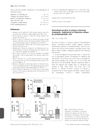
June 2015 in “British Journal of Dermatology” This article discusses the role of lysophosphatidic acid-induced histamine release in generalized pruritus among patients with primary sclerosing cholangitis and reports no new clinical results.
30 citations
,
June 2000 in “Journal of dermatological science” In this study, researchers found that keratinocytes are unlikely to be target cells for androgen, as shown by limited androgen receptor transcriptional activity in keratinocyte cells.
7 citations
,
April 2011 in “American journal of obstetrics and gynecology” This case report highlights the importance of considering exogenous androgen exposure, such as transdermal testosterone cream used by a partner, in the diagnosis of virilization among women.
44 citations
,
May 2008 in “Plant journal” This study found that D'orenone blocks root hair growth by increasing PIN2 protein abundance, leading to reduced auxin concentration, but external auxin can reverse these effects.
 46 citations
,
January 2008 in “Climacteric”
46 citations
,
January 2008 in “Climacteric” Randomized trials reported that testosterone therapy improved sexual function in postmenopausal women with hypoactive sexual desire disorder, particularly those who had undergone oophorectomy, with reversible and well-tolerated side effects.
 30 citations
,
July 2004 in “Fertility and Sterility”
30 citations
,
July 2004 in “Fertility and Sterility” Amenorrhea is when a woman doesn't have periods, with primary amenorrhea starting by age 15 or within five years of breast development, and secondary amenorrhea when periods stop for three months. It affects 3-4% of women not pregnant, breastfeeding, or in menopause, mainly due to polycystic ovary syndrome, hypothalamic amenorrhea, hyperprolactinemia, and ovarian failure.
 9 citations
,
June 2002 in “Best Practice & Research in Clinical Obstetrics & Gynaecology”
9 citations
,
June 2002 in “Best Practice & Research in Clinical Obstetrics & Gynaecology” This review discusses androgen deficiency syndrome in women, its symptoms, and how androgen replacement therapy generally alleviates related issues without significant side-effects, but reports no new clinical findings.