2 citations
,
February 2025 in “Journal of Cosmetic Dermatology” In a randomized clinical trial presented in this study, a novel lip hydrant with polyherbal extracts significantly reduced lip roughness and chapped lips compared to petroleum gel over 28 days among Thai participants, although both treatments improved perceived lip dryness.
This article lists the clinically important interactions and skin reactions of several drugs and substances, including THA, FK506, tamoxifen, tamsulosin, tartrazine, tea tree oil, temazepam, and temozolomide, but provides no new clinical results.
 1 citations
,
April 1987 in “American Journal of Nursing”
1 citations
,
April 1987 in “American Journal of Nursing” Some drugs can cause serious side effects, like hypoglycemia from mix-ups, skin reactions, or depression, and while penicillamine may help rheumatoid arthritis more than auranofin, it has more severe side effects.
 15 citations
,
November 2002 in “Cardiology in Review”
15 citations
,
November 2002 in “Cardiology in Review” This review discusses various adverse skin reactions linked to cardiovascular medications and reports no new clinical results, highlighting the need for vigilance when prescribing these drugs.
 8 citations
,
January 2013 in “Medicinal chemistry”
8 citations
,
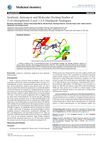
January 2013 in “Medicinal chemistry” This study reported that among 10 tested 2-(4-chlorophenyl)-5-aryl-1,3,4-oxadiazole compounds, compound 4c showed the highest activity against cancer cell lines, with a 95.37% average growth rate.
 December 2024 in “PubMed”
 This study evaluates the compatibility of six active pharmaceutical ingredients, including finasteride and spironolactone, with TrichoFoam™, a foam vehicle used in personalized treatments for alopecia, though it does not report specific results.
1 citations
,
March 2025 in “Journal of Society of Cosmetic Chemists of Japan” In this study, BECD-treated wavy hair showed reduced undulation and improved straightening after drying, as BECD enhanced the contraction and rearrangement of molecular chains in non-keratin proteins, unlike untreated hair, which retained its wavy structure.
August 2026 in “LUMEN ET VIRTUS” In this study, low-dose oral minoxidil for androgenetic alopecia was generally safe, showing small average changes in blood pressure and heart rate with infrequent cardiovascular issues, though monitoring is essential, especially in patients with conditions like hypertension or arrhythmias.
2 citations
,
January 1999 in “Dermatology”  25 citations
,
October 2019 in “Journal of Endocrinological Investigation”
25 citations
,
October 2019 in “Journal of Endocrinological Investigation” This study reported that both drospirenone and chlormadinone acetate oral contraceptives had similar beneficial effects on clinical, metabolic, and hormonal parameters in women with polycystic ovary syndrome over six months.
 2 citations
,
January 2012 in “Hair therapy & transplantation”
2 citations
,
January 2012 in “Hair therapy & transplantation” This study observed that DDAIP-HCl enhanced the permeation of minoxidil through human cadaver skin, suggesting potential for improved treatment efficacy in male pattern hair loss.
 13 citations
,
October 2017 in “Bioorganic & Medicinal Chemistry”
13 citations
,
October 2017 in “Bioorganic & Medicinal Chemistry” This study found that compound 3, a tetrahydropyridoindole carboxymethylated at position 5, significantly inhibited sorbitol accumulation in both rat eye lenses and tissues affected by diabetes, indicating its potential as a lead compound for ALR2 inhibition.
72 citations
,
February 1990 in “British Journal of Clinical Pharmacology” This study found that concentrations of haloperidol and its metabolite in human scalp hair significantly correlated with the daily dose and plasma trough levels in patients taking haloperidol.
1 citations
,
December 2020 in “Journal of Cosmetic Dermatology” This study found that topical application of a cosmetic formulation containing capryloyl glycine 4% significantly reduced hair growth and thickness on the forearms of female participants after 120 days, compared to placebo.

In this study, researchers assessed the physical-chemical and microbiological stability of various pharmaceutical ingredients in the vehicle TrichoSolTM, finding differing beyond-use dates for the compounds, such as 180 days for cetirizine hydrochloride, but only 90 days for progesterone at higher concentrations.
4 citations
,
January 1988 in “Cosmetics and toiletries” 0.1% piroctone olamine in hair tonics effectively treats dandruff.
 7 citations
,
January 2015 in “Evidence-based Complementary and Alternative Medicine”
7 citations
,
January 2015 in “Evidence-based Complementary and Alternative Medicine” This review discusses the confusion and misuse of Polygoni Multiflori Radix, Cynanchi Wilfordii Radix, and Cynanchi Auriculati Radix in Korea, highlighting their plant origins, uses, and toxicities, without providing new clinical results.
4 citations
,
September 2013 in “Journal of biomolecular structure and dynamics/Journal of biomolecular structure & dynamics” This study suggests that caribine may enhance the interaction between CRFR and maltose binding protein, potentially offering a new approach for treating hair loss.
December 2022 in “Scientific Reports” This study found that caffeic acid amide derivative, compound 4, effectively inhibited steroid 5α-reductase type 1 in vitro, suggesting potential for development as a treatment for androgenic alopecia.
 1 citations
,
March 2019 in “International Journal of Current Pharmaceutical Research”
1 citations
,
March 2019 in “International Journal of Current Pharmaceutical Research” This study found that oil extracts from the plants Hedyotis corymbosa, Inula racemose, and Holostemma adakodien demonstrated significant antibacterial and antifungal activity in vitro compared to standard antibiotics and antifungals.
9 citations
,
December 1958 in “Journal of Investigative Dermatology” 9α-21-difluoro-21-desoxyhydrocortisone is the most effective at stopping hair growth in rats.
This study found that while hydroxychloroquine was effective and safe for treating alopecia areata, patients using it experienced more relapses compared to those receiving betamethasone.
8 citations
,
January 2021 in “Journal of Pharmaceutical Investigation” ![Verification of the Major Metabolic Oxidation Path for the Naphthoyl Group in Chemoattractant Receptor-Homologous Molecule Expressed on Th2 Cells (CRTh2) Antagonist 2-(2-(1-Naphthoyl)-8-fluoro-3,4-dihydro-1H-pyrido[4,3-b]indol-5(2H)-yl)acetic Acid (Setipiprant/ACT-129968)](/images/assets/d743d32f-3115-48ff-9697-2f2d56130701/small/14175.jpg) 6 citations
,
September 2015 in “Journal of Medicinal Chemistry”
6 citations
,
September 2015 in “Journal of Medicinal Chemistry” This study synthesized and verified the structures of Setipiprant's major and minor metabolites, confirming their regio- and enantioselectivity from earlier proposals in a clinical study.
August 2025 in “Anais Brasileiros de Dermatologia” This review details phenol's dermatological uses and underscores its potent skin rejuvenation effects but emphasizes the need for caution due to risks of serious complications, including cardiac arrhythmias and organ failure, particularly with improper use or large-area applications.
 December 2023 in “Research Square (Research Square)”
 In this study, researchers using molecular docking techniques found that 12-Methoxy carnosic acid from rosemary shows promising potential as a natural inhibitor of the 5 alpha reductase enzyme, which is involved in hair loss, suggesting its efficacy compared to finasteride.
 May 2024 in “Journal of molecular structure”
 This study found that a novel thiohydantoin derivative, 3a, effectively inhibited androgen receptor activity in LNCaP cells and showed promising in vivo results by reducing testosterone-induced prostate changes, outperforming finasteride in mitigating prostate index and histopathological alterations.
 2 citations
,
May 2021 in “Clinical Pharmacology in Drug Development”
2 citations
,
May 2021 in “Clinical Pharmacology in Drug Development” This phase 1 study reported that after administering supratherapeutic doses of cortexolone 17α‐propionate, a topical antiandrogen intended for hair loss treatment, there was no effect on the QTc interval, indicating no measurable cardiac safety concerns in the concentration range tested.
3 citations
,
January 1996 in “Journal of Dermatological Treatment” In this study, twice daily application of 3 μg/g calcitriol ointment was reported to be safe, effective, and well tolerated for treating moderate to severe chronic plaque psoriasis on the face and surrounding areas.
22 citations
,
March 1999 in “International Journal of Clinical Practice” This review discusses the use of topical immunotherapy for severe alopecia areata and resistant viral warts, highlighting diphencyprone's advantages and the need for careful handling to avoid staff sensitisation; it reports no new clinical results.