June 2026 in “Universal Library of Multidisciplinary” This study explores a new therapeutic method called THE YOU TECHNIQUE, which uses performing arts like stand-up comedy to help people with alopecia reduce stigmatization and improve coping strategies, showing promising empirical results in enhancing subjective quality of life.
 6 citations
,
August 2023 in “Behavioural and Cognitive Psychotherapy”
6 citations
,
August 2023 in “Behavioural and Cognitive Psychotherapy” This study observed that an 8-session mindfulness-based cognitive therapy reduced social anxiety and improved wellbeing in some individuals with alopecia areata, though effectiveness may depend on regular mindfulness practice.
2 citations
,
January 2015  1 citations
,
December 2014 in “Klinik Psikofarmakoloji Bülteni-Bulletin of Clinical Psychopharmacology”
1 citations
,
December 2014 in “Klinik Psikofarmakoloji Bülteni-Bulletin of Clinical Psychopharmacology” This study reports that a 15-year-old with trichotillomania showed improvement with aripiprazole treatment, though no consensus on treatment exists in the literature.
 15 citations
,
June 2019 in “Journal of Neuroendocrinology”
15 citations
,
June 2019 in “Journal of Neuroendocrinology” This study found that isoallopregnanolone reduced stress-induced tic-like behaviors and sensorimotor gating deficits in a mouse model of Tourette syndrome, suggesting potential therapeutic properties comparable to existing treatments like haloperidol and finasteride.
 June 2023 in “The journal of sexual medicine”
 This case report describes a 10-year multidisciplinary treatment of a transgender woman in Slovenia, reporting a successful medical and social transition with stable emotional health, abstinence from alcohol, and no regrets following her transition.
 14 citations
,
December 2007 in “Journal of The European Academy of Dermatology and Venereology”
14 citations
,
December 2007 in “Journal of The European Academy of Dermatology and Venereology” This paper discusses the use of lifestyle drugs by individuals without medical conditions to enhance appearance, highlighting that such usage may worsen emotional disorders and suggests these should be treated with psychotherapy or psychopharmacotherapy.
 May 2012 in “The journal of nervous and mental disease”
 This review discusses various aspects of Impulse Control Disorders, but reports no new clinical findings; the authors highlight existing knowledge gaps and the need for proven treatments.
 January 2022 in “International review of movement disorders”
 In this review, the authors found that cannabinoids and steroid-related drugs show potential for treating Tourette syndrome, but existing evidence is limited and further research is needed to confirm their efficacy and safety.
November 2024 in “Actas Dermo-Sifiliográficas” This review outlines current treatment strategies for trichotillomania, noting that while cognitive-behavioral therapy is effective, N-acetylcysteine and memantine are also recommended due to their safety and efficacy, though evidence for other drugs like fluoxetine and naltrexone remains limited.
8 citations
,
November 2011 in “Journal of Medical Case Reports” This case report describes a 23-year-old Asian woman with fluoxetine non-responsive trichotillomania who showed significant improvement with bupropion and cognitive behavior therapy, though confirmation in larger trials is needed.
8 citations
,
March 2017 in “Journal of Mind and Medical Sciences” This article discusses the theoretical perspective of the informational dichotomy of the mind in relation to sexuality and presents no new empirical results; further theoretical exploration is planned.
2 citations
,
October 2016 in “European Neuropsychopharmacology” 21 citations
,
January 1998 in “Urologia internationalis” This study found that combining dibenyline and finasteride for symptomatic BPH treatment offered modest improvements with fewer additional side effects compared to each drug alone.
 42 citations
,
December 2007 in “American Journal of Psychiatry”
42 citations
,
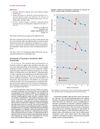
December 2007 in “American Journal of Psychiatry” This study examined finasteride, a 5-alpha-reductase inhibitor, for treating a Tourette’s syndrome patient unresponsive to traditional therapy, noting its limited side effects.
July 2025 in “Ultrasound in Medicine & Biology” This study found that nanobubble-encapsulated diclofenac with ultrasound-targeted microbubble destruction (DNBs-UTMD) can enhance the anti-tumor efficacy of Doxil® by regulating the tumor immune microenvironment, improving drug uptake, and increasing T cell responses while reducing immune-suppressive cells in the process.
In this study, lower dihydrotestosterone and higher testosterone levels were linked to increased brain activation during response inhibition, although no behavioral changes were detected.
August 2021 in “Oxford University Press eBooks” This review discusses recent advancements in behavioral and pharmacological treatments for trichotillomania but does not report new clinical results, emphasizing the need for rigorous future research.
 July 2021 in “Advances in laboratory medicine”
 This article reviews differential diagnosis approaches for 46,XY DSD, proposing a diagnostic algorithm focused on biochemical and genetic data, without presenting new clinical results.
10 citations
,
April 2020 in “Journal of Mind and Medical Sciences” This study found that rational thinking style was the strongest predictor of interpersonal conflict resolution among young adults, with gender also being a significant factor.

This review presents a scholarly exchange examining whether sexual minority individuals undergoing SOCE therapy face increased suicidal risk, featuring articles from the American Journal of Public Health and Archives of Sexual Behavior arranged with commentary for comprehensive understanding. Results are not reported in the abstract.
3 citations
,
September 2020 in “Journal of developmental and behavioral pediatrics/Journal of developmental & behavioral pediatrics” This case report describes a 4-year-old boy with autism and a rare condition causing precocious puberty, where treatment for hyperandrogenism unexpectedly intensified his aggressive behavior.
October 2022 in “Amplla Editora eBooks” May 2024 in “International journal of medicine and psychology.” This study highlights the importance of creating targeted psychological support activities for war veterans, as the findings suggest these interventions can help correct maladaptive behaviors and enhance stress coping strategies, ultimately aiding veterans in their rehabilitation and social adaptation.
14 citations
,
September 2017 in “Hormones and behavior” This study found that the estrous cycle influences the effect of the δ-GABAAR agonist THIP in reducing binge drinking behavior in female mice, with receptor expression elevated during diestrus.
 4 citations
,
September 2016 in “Journal der Deutschen Dermatologischen Gesellschaft”
4 citations
,
September 2016 in “Journal der Deutschen Dermatologischen Gesellschaft” This study found that 7.9% of dermatological outpatients at a German hospital had clinically relevant body dysmorphic concerns, highlighting the need for psychotherapeutic support due to poor social adaptation and high motivation for change.

In this retrospective case series, therapeutic responses to immunomodulatory and incretin-based therapies for Dercum's disease showed considerable individual variation, suggesting these treatments might be exploratory options when surgery isn't feasible, though further controlled studies are needed for definitive conclusions.
July 2024 in “Skin Appendage Disorders” This study reviews literature showing that trichotillomania significantly reduces quality of life and emphasizes that effective treatment requires an interdisciplinary approach involving dermatology and psychiatry to address its psychiatric component.