 April 2024 in “Journal of environmental management”
 This study investigated the electron transfer processes in an iron-mediated DAMO–anammox system, finding that Fe3+ accelerated c-type cytochrome-mediated electron transfer and suggested that riboflavin acts as an electron shuttle and DIET may occur among these microorganisms.
 6 citations
,
April 2023 in “Frontiers in plant science”
6 citations
,
April 2023 in “Frontiers in plant science” In this study, NREs from lentil root nodules, specifically Serratia plymuthica 33GS and Serratia sp. R6, significantly enhanced lentil growth, altered root exudation, and modulated rhizospheric microbial communities in a greenhouse setting.
 1 citations
,
June 2023 in “Biomolecules & therapeutics”
1 citations
,
June 2023 in “Biomolecules & therapeutics” This article reviews the role of nitric oxide in skin health, including its influence on immune responses and potential therapeutic applications for contact dermatitis, but reports no new clinical results.
 May 2026 in “Discover Chemistry.”
 This review presents recent advancements in bio-degradable polymers made through green chemistry, highlighting eco-friendly raw materials and methods, while also identifying challenges and future research areas to enhance their sustainability and commercial viability.
 January 2006 in “mediaTUM – the media and publications repository of the Technical University Munich (Technical University Munich)”
 This study found that carbon and nitrogen isotope analysis of cattle hair reflects dietary and farm system differences, offering insights into cattle nutritional ecology and agroecosystem characteristics.
 22 citations
,
August 2006 in “Critical Reviews in Plant Sciences”
22 citations
,
August 2006 in “Critical Reviews in Plant Sciences” The tropical legume Sesbania rostrata can form nodules in waterlogged conditions using a different method that involves plant hormones and specific genes.
 6 citations
,
May 2015 in “Veterinary Clinics of North America: Equine Practice”
6 citations
,
May 2015 in “Veterinary Clinics of North America: Equine Practice” This article reviews common skin diseases in horses, organized by clinical feature, and highlights the need for more comprehensive comparative research; no new clinical results are presented.
 December 2023 in “bioRxiv (Cold Spring Harbor Laboratory)”
 This study observed that extracellular matrix scaffold membranes performed less effectively in wound healing for aged mice compared to younger ones, with senescent SPP1+ macrophages potentially hindering epidermal and fibroblast repair abilities.
115 citations
,
December 2019 in “The Plant Journal” This study found that nitrate, rather than ammonium, significantly enhances phosphate starvation responses in plants through a regulatory cascade involving NIGT1, SPX, and PHR1 proteins.
73 citations
,
April 2017 in “Scientific Reports” In this study, nitrogen starvation in Chlorella sp. FC2 IITG led to increased lipid accumulation by altering the expression of enzymes involved in various metabolic pathways, suggesting potential for genetic engineering of microalgae.
 11 citations
,
June 2013 in “Journal of Chemical Education”
11 citations
,
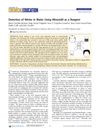
June 2013 in “Journal of Chemical Education” This study reports an easy colorimetric method for detecting nitrite in water using minoxidil, which may be suitable for various analytical applications due to its effective detection range.
 36 citations
,
November 2018 in “BMC plant biology”
36 citations
,
November 2018 in “BMC plant biology” This study suggests that ROXYs and reactive oxygen species are likely involved in the signaling pathways plants use to respond to nitrate deprivation.
 December 2023 in “Journal of biobased materials and bioenergy”
 The algae grew better and fixed nitrogen more efficiently when they worked together, using nitrogen and iron.
 March 2024 in “Organic letters”
 This study reports that difluoromethyl nitrile oxide can rapidly functionalize various alkenes at room temperature, leading to products that can transform into valuable medicinal chemistry building blocks like CF2H-isoxazolines for bioactive molecule modification.
164 citations
,
September 2010 in “PLANT PHYSIOLOGY” This study found that nitric oxide production in Solanum nigrum roots facilitates adaptation to excess zinc by promoting programmed cell death and altering root architecture.
2 citations
,
July 2025 in “Scientific Reports” This study identified a novel Acinetobacter species, strain A1-4-2, with exceptional biodegradation abilities and low antibiotic resistance, found in diverse environments and potentially useful for ecological restoration by degrading organic pollutants.
May 2024 in “Frontiers in Nutrition” This study highlights promising methods for converting food waste into valuable resources such as biogas, bioethanol, biodiesel, fertilizers, and antioxidants through processes like fermentation and anaerobic digestion, emphasizing the need for robust large-scale technologies to optimize this "waste to value" transformation.
 June 2026 in “International Journal of Drug Delivery Technology”
 In this study, researchers optimized fast-dissolving tablets of nifedipine using a systematic approach, resulting in formulations that demonstrated rapid disintegration, enhanced dissolution profiles, and improved solubility, potentially improving oral delivery for patients requiring poorly soluble antihypertensive medication.
 1 citations
,
June 2025 in “International Journal of Plant and Environment”
1 citations
,
June 2025 in “International Journal of Plant and Environment” This study found that nickel oxide nanoparticles synthesized using Alternanthera sessilis extract may have potential as antimicrobial, antifungal, and dye-removal agents.
 2 citations
,
July 2020 in “International Journal for Research in Applied Science and Engineering Technology”
2 citations
,
July 2020 in “International Journal for Research in Applied Science and Engineering Technology” This study found that Pseudomonas DL7 completely degraded 600 mg/L of Sunset Yellow FCF in 48 hours at pH 9, indicating potential for biomineralization of this dye.
January 1994 in “Memorial University Research Repository (Memorial University)” This study suggests that oleosomes in Sesbania nodules are utilized for cell growth and development but are not directly involved in nitrogen fixation.
January 2005 in “Industrial Catalysis” This study found that regenerating the Pd/C finasteride synthesis catalyst using methanol extraction and nitric acid oxidation achieved a pregnendone conversion of 97.5%.
 8 citations
,
January 2011 in “Organic and Biomolecular Chemistry”
8 citations
,
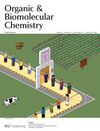
January 2011 in “Organic and Biomolecular Chemistry” Minoxidil reacts to nitrosation 7 times more than phenol, mainly due to its -NH₂ groups, leading to the creation of N-nitrosominoxidil.
 January 2026 in “Annals of Clinical Endocrinology and Metabolism”
 This narrative review summarizes evidence on NAD⁺ biosynthesis and turnover, highlighting that while NAD⁺ precursors like NR and NMN consistently boost NAD⁺ levels in preclinical and human studies, clinical outcome results remain varied, indicating a need for more standardized human trials.
21 citations
,
January 1999 in “Molecular and Cellular Biochemistry” Niacin deficiency makes rats more sensitive to cancer-causing chemicals.
 August 2023 in “Journal of Student Research”
 This study found that incorporating keratin extracted from hair into NBR modestly enhanced the mechanical properties and biodegradability of the rubber.
7 citations
,
August 2007 in “Journal of Biotechnology”  2 citations
,
January 2022 in “bioRxiv (Cold Spring Harbor Laboratory)”
2 citations
,
January 2022 in “bioRxiv (Cold Spring Harbor Laboratory)” This study found that low temperatures and nitrogen deficiency trigger root hair elongation through a molecular mechanism involving the receptor kinase FERONIA and the TOR Complex 1.
 December 2023 in “Frontiers in plant physiology”
 This review discusses recent findings on how root hairs and root exudate secretion play critical roles in recruiting nitrogen-fixing bacteria, potentially aiding the development of cereal crops that can use atmospheric nitrogen, which may reduce reliance on synthetic fertilizers.
 April 2023 in “Journal of Investigative Dermatology”
 This study found that patients with Stevens-Johnson syndrome and toxic epidermal necrolysis exhibit lower levels and activity of DNase1, impairing NET degradation, and suggests DNase1 administration as a potential treatment.