 January 2011 in “International Journal of Trichology”
 The document concludes that doctors should recognize congenital triangular alopecia to avoid unnecessary treatments, as it does not respond to steroids like alopecia areata does.
16 citations
,
October 2024 in “Frontiers in Environmental Science” This review found that synthetic cosmetics pose risks to human health, potentially causing various diseases, and negatively impact ecosystems, air quality, and oceans from production to waste disposal, highlighting the broad environmental and health consequences of cosmetic use.
3 citations
,
February 2025 in “Frontiers in Food Science and Technology” This perspective proposes a new classification system for "superfoods" to better align them with environmental and social sustainability goals, emphasizing plant-based sources over animal-based ones due to lower greenhouse gas emissions and deforestation impacts.
 1 citations
,
May 2014 in “Lipid Technology”
1 citations
,
May 2014 in “Lipid Technology” This news review reports on the latest developments in lipid technology but presents no new research findings.
 November 2025 in “International Journal of Research and Innovation in Applied Science”
 This study explores the indigenous haircare knowledge of tribal women in Nandurbar District, Maharashtra, India, documenting 25 plant species used for haircare, with an emphasis on the ecological and cultural importance of these practices for sustainable personal care innovation.
 17 citations
,
February 2015 in “Phytochemistry Reviews”
17 citations
,
February 2015 in “Phytochemistry Reviews” This review discusses the cosmetic potential of Southeast Asian herbs and highlights the need for more systematic scientific evaluation of their efficacy and safety.
 14 citations
,
November 2016 in “Annals of Internal Medicine”
14 citations
,
November 2016 in “Annals of Internal Medicine” Tofacitinib, an arthritis drug, helped hair growth in alopecia universalis but long-term safety needs more research.
 13 citations
,
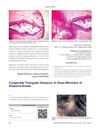
January 2011 in “International Journal of Trichology”
13 citations
,
January 2011 in “International Journal of Trichology” CTA is often mistaken for AA but doesn't respond to steroids and may require hair transplantation.
 11 citations
,
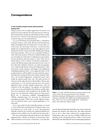
July 2008 in “International Journal of Dermatology”
11 citations
,
July 2008 in “International Journal of Dermatology” This article discusses a case of patchy alopecia areata that spares greying hairs but reports no new findings; it refers to existing literature for context.
 4 citations
,
March 2022 in “Frontiers in pharmacology”
4 citations
,
March 2022 in “Frontiers in pharmacology” This article reviews the botanical characteristics, traditional and modern medicinal uses, and market potential of Prunus mira, but reports no new clinical findings.
 4 citations
,
May 2014 in “International Journal of Research in Ayurveda and Pharmacy”
4 citations
,
May 2014 in “International Journal of Research in Ayurveda and Pharmacy” This study documented the traditional medicinal uses of 60 plant species in Kolli Hills, India, highlighting their importance in the healthcare of the local tribal community.
 2 citations
,
March 2014 in “Veterinary World”
2 citations
,
March 2014 in “Veterinary World” This study characterized the hair follicle patterns of Indian bison, Black buck, and Nilgai, providing valuable data to help identify these endangered species' skins, commonly targeted by poachers.
 June 2026 in “GSC Advanced Research and Reviews”
 This abstract highlights that jojoba is a versatile plant recognized for its drought resistance and utility in desert regions, with its oil offering various pharmacological benefits like antioxidant and anti-inflammatory effects, though commercial cultivation challenges exist due to seedling variability.
 May 2026 in “Discover Chemistry.”
 This review presents recent advancements in bio-degradable polymers made through green chemistry, highlighting eco-friendly raw materials and methods, while also identifying challenges and future research areas to enhance their sustainability and commercial viability.
 October 2025 in “Interdiciplinary Journal and Hummanity (INJURITY)”
 This study characterized bioactive compounds in extracts from six Kalimantan herbal plants, confirming traditional medicinal uses with findings such as triterpenoids and several potent compounds with antimicrobial and cardiovascular benefits, laying groundwork for potential therapeutic applications and conservation efforts.
 August 2025 in “Current Botany”
 This study suggests that Acrotrema arnottianum, a herb used in traditional medicine, contains biologically active metabolites like squalene and α-Tocopherol. It showed antibacterial effects against Staphylococcus aureus and antifungal properties against Candida albicans, while demonstrating antioxidant activity.

Bee pollen, green tea, essential oils, and various plant extracts improve skin and hair health.
This study found that while Smilax aristolochiifolia continues to hold socio-economic importance within the Totonac culture in Puebla, low abundance and land use changes pose challenges to its conservation.
 June 2017 in “Journal of Traditional and Folk Practices”
 This study enumerates the traditional uses of Begonia malabarica by tribes in Tamil Nadu, where it is reported to be used for treating a variety of ailments, with further research planned to evaluate its biological potential.
 January 2006 in “mediaTUM – the media and publications repository of the Technical University Munich (Technical University Munich)”
 This study found that carbon and nitrogen isotope analysis of cattle hair reflects dietary and farm system differences, offering insights into cattle nutritional ecology and agroecosystem characteristics.
 4 citations
,
March 2012 in “InTech eBooks”
4 citations
,
March 2012 in “InTech eBooks” This article discusses the major role of motor vehicles in contributing to urban air pollution and its significant health impacts, especially in developing countries, but reports no new findings.
 1 citations
,
March 2018 in “Policy and governance review”
1 citations
,
March 2018 in “Policy and governance review” This study explores the factors influencing canal blocking as a peat land fire prevention method in Sungai Tohor Village, Kepulauan Meranti Regency, highlighting government regulations, community participation, and local wisdom as key influences.
 46 citations
,
November 2011 in “Forest Ecology and Management”
46 citations
,
November 2011 in “Forest Ecology and Management” This study observed that the reproductive phenology of Ficus species in Northern Thailand varied seasonally, with female trees producing the most figs during the rainy season, while male trees' fig production peaked earlier.
31 citations
,
December 2016 in “Anais Brasileiros de Dermatologia” This review discusses the fibrogenic effects of TGFβ1, the regulatory role of PPAR, and the potential involvement of DHEA in frontal fibrosing alopecia, but reports no new clinical results.
 1 citations
,
December 2017 in “Anais Brasileiros de Dermatologia”
1 citations
,
December 2017 in “Anais Brasileiros de Dermatologia” This article discusses the DOAJ, a comprehensive index of international open access journals, and emphasizes its role in providing free quality content online without presenting new research findings.
69 citations
,
January 2021 in “Journal of Biological Chemistry” This review discusses various amino acid-derived plant defensive compounds and highlights their potential as drug leads due to their potent antimicrobial properties, but reports no new experimental results.
 2 citations
,
June 2023 in “Plants”
2 citations
,
June 2023 in “Plants” This paper reviews extraction methods for obtaining polysaccharides from brown macroalgae like Sargassum, highlighting their antiviral, antimicrobial, and antitumoral bioactivities in both in vivo and in vitro studies, while also discussing challenges in research and commercialization of Sargassum-based products.
January 2025 in “International Journal of Applied and Basic Medical Research” In this case report, a 40-year-old woman with folliculitis decalvans exhibits symptoms like itchy papules and patchy hair loss, illustrating the importance of distinguishing this condition from similar scarring alopecias for appropriate treatment.
December 2024 in “BMC Plant Biology” This study examined Prunus mira populations in the Qinghai-Tibetan Plateau and found high genetic diversity and substantial phylogeographic structure, suggesting geographic isolation limits gene flow; the researchers propose conservation strategies to preserve genetic resources.
 September 2024 in “Cermin Dunia Kedokteran”
 This article reviews Frambusia, a skin-contact-spread tropical infection, and stresses improving medical professionals' diagnostic and treatment skills to achieve the WHO's eradication target by 2030, without reporting new results.