 May 2025 in “The Journal of Rheumatology”
 This case report highlights the importance of trans-esophageal echocardiography in distinguishing Libman-Sacks endocarditis from infective endocarditis in systemic lupus erythematosus patients, guiding appropriate treatment for associated cerebrovascular disease.
 May 2025 in “The Journal of Rheumatology”
 This report describes two cases where female patients with chronic granulomatous disease developed manifestations of systemic lupus erythematosus, highlighting a rare association that may influence clinical evaluation and treatment planning.
 May 2025 in “The Journal of Rheumatology”
 In this case report, two patients with polyautoimmunity and difficult-to-treat lupus erythematosus experienced significant symptom improvement after adding anifrolumab to their regimen, suggesting its potential as an effective add-on therapy for refractory cutaneous symptoms in autoimmune conditions characterized by elevated interferon alpha activity.
 May 2025 in “The Journal of Rheumatology”
 This case report suggests that a proactive physical therapy model can be effective for improving physical function and meeting exercise guidelines in patients newly diagnosed with systemic lupus erythematosus.
 May 2025 in “The Journal of Rheumatology”
 This case report describes a 32-year-old Filipino female with mixed connective tissue disease who sequentially developed distinct autoimmune disorders over seven years, highlighting the complexities in diagnosis and management of overlap syndromes.
 May 2025 in “The Journal of Rheumatology”
 In this case report, two patients with coexisting systemic lupus erythematous and neuromyelitis optica spectrum disorder achieved remission of SLE activity using an anti-CD19 monoclonal antibody.
 May 2025 in “The Journal of Rheumatology”
 This case report describes a young female with pediatric SLE and latent TB who was found to have gastrointestinal tuberculosis, a rarely recognized and often misdiagnosed condition, highlighting the diagnostic challenges and need for early recognition in such cases.
 May 2025 in “The Journal of Rheumatology”
 This case report describes a 21-year-old woman whose catatonia led to the diagnosis of systemic lupus erythematosus, suggesting catatonia may be an underrecognized manifestation of neuropsychiatric lupus.
 May 2025 in “The Journal of Rheumatology”
 This case report details a 56-year-old woman's diagnosis with an overlapping syndrome of dermatomyositis, systemic lupus, and secondary antiphospholipid syndrome, highlighted by purpura fulminans, treated successfully with immunosuppressants and plasmapheresis.
 May 2025 in “The Journal of Rheumatology”
 This study highlights the efforts of the Oyemam Autoimmune Foundation in raising awareness and supporting lupus patients in Ghana, amid challenges like misdiagnosis and insufficient healthcare resources, revealing the impact of their advocacy and counseling initiatives on patients' lives.
May 2025 in “The Journal of Rheumatology” In this case report, researchers describe a rare instance of bullous lupus presenting with severe esophageal involvement in a 42-year-old woman, highlighting the significant diagnostic and therapeutic challenges encountered in such cases despite successful treatment with immunosuppressive therapy.
 May 2025 in “The Journal of Rheumatology”
 This case report describes a patient with systemic lupus erythematosus whose unusual nephrological presentation led to a diagnosis of C3 glomerulopathy, highlighting the importance of considering atypical findings to broaden diagnostic approaches.
 May 2025 in “The Journal of Rheumatology”
 In this case report, a 64-year-old woman diagnosed with both NMOSD and SLE showed mild improvement in vision and recovered from thrombocytopenia after treatment with glucocorticoids and Rituximab, highlighting the importance of accurate diagnosis and tailored treatment for overlapping autoimmune disorders.
 May 2025 in “The Journal of Rheumatology”
 This case report describes a 47-year-old woman with dilated cardiomyopathy as the first sign of primary antiphospholipid syndrome, highlighting the need for APS screening in similar patient presentations.
 May 2025 in “The Journal of Rheumatology”
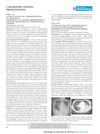
 This case report highlights a rare instance of diffuse alveolar hemorrhage in a patient with catastrophic antiphospholipid syndrome, emphasizing the importance of early recognition and multidisciplinary management.
 May 2025 in “The Journal of Rheumatology”
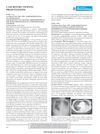
 This case report details a rare instance of primary adrenal insufficiency as a manifestation of antiphospholipid syndrome, with the patient successfully managed through glucocorticoids, warfarin, and hydroxychloroquine.
 May 2025 in “The Journal of Rheumatology”
 This case report describes a woman whose initial presentation of SLE was persistent watery diarrhea, diagnosed as lymphocytic enterocolitis, and shows that immunosuppressive therapy resulted in symptom relief.
 June 2024 in “Archives of Plastic Surgery”
 In this case report, a 44-year-old woman underwent a successful hair transplantation using follicular unit extraction on a myocutaneous free flap, resulting in an 80 to 85% hair survival rate after 12 months and significant improvement in external alopecia aesthetics.
 March 2024 in “Journal of medicinal plants studies”
 This review comprehensively examines the Hibiscus rosa-sinensis plant, detailing its distribution, physical and chemical properties, bioactive compounds, ethnomedicinal uses, and potential toxicity, providing a broad understanding of its characteristics and health implications.

This paper explores the diverse patterns and social significance of Black hair, approaching it as an art form, mathematical pattern, and ethnomathematic entity, and seeks to dispel myths while highlighting its vast possibilities.

This study suggests that pre-trained Transformers only outperform syntactic and lexical neural networks on unseen DarkNet sentences after extreme domain adaptation, indicating unexpected advantages from their massive pre-training corpora.
 January 2021 in “Middle East journal of applied sciences”
 This article discusses the widespread issue of zinc deficiency affecting plant, animal, and human health, and reports no new clinical results; the authors emphasize the need for adequate zinc availability in agriculture and nutrition.
 April 2019 in “Journal of Investigative Dermatology”
 This study is the first to examine adherence to topical minoxidil among alopecia patients, identifying factors such as age, sex, and educational level associated with adherence levels.
 July 2018 in “British Journal of Dermatology”
 Mindfulness reduces anxiety and depression in skin disease patients; dermatologists and psychiatrists often lack confidence in treating psychodermatological conditions.
 January 2017 in “Elsevier eBooks”
 The document concludes that choosing the right forehead and brow lifting technique based on individual patient characteristics is crucial to prevent complications and achieve desired results.
 January 2017 in “Research Portal (King's College London)”
 This paper analyzes Hilary Mantel's memoir and suggests that conflicts between her bodily experiences and psychological identifications affected her acceptance of a female gender identity, influencing her experience of endometriosis.
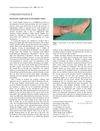 May 2002 in “British Journal of Dermatology”
 A pregnant woman's skin condition improved after giving birth, possibly due to high estrogen levels during pregnancy.
 May 2002 in “British Journal of Dermatology”
 This brief article is a response from the authors about hair density, hair diameter, and female pattern hair loss, and it reports no new clinical findings.
 100 citations
,
November 2021 in “Cell Research”
100 citations
,
November 2021 in “Cell Research” This study found that SARS-CoV-2 hijacks the host factor IGF2BP1 to stabilize its RNA and enhance translation, and identified Cepharanthine and Trifluoperazine as potential treatments against the virus.
 59 citations
,
June 2023 in “Nature Aging”
59 citations
,
June 2023 in “Nature Aging” This study observed that in aged mouse skin, there was an increase in IL-17-expressing T helper cells, γδ T cells, and innate lymphoid cells, and blocking IL-17 signaling reduced skin inflammation and delayed age-related changes, suggesting it as a potential target to mitigate skin aging.