 18 citations
,
June 1995 in “International Journal of Dermatology”
18 citations
,
June 1995 in “International Journal of Dermatology” Women experience various skin issues at different life stages, requiring careful treatment and awareness.
164 citations
,
December 1984 in “Proceedings of the National Academy of Sciences” This study found that TCDD significantly reduced EGF receptor binding in various animal models, linked to toxic symptoms like weight loss and developmental delays, with receptor phosphorylation persisting several days.
 November 2025 in “Stem Cell Research & Therapy”
 This study suggests that human DSCCs may aid in hair follicle regeneration and reduce microinflammation, with potential applications in regenerative medicine evaluated through a new morphometric analysis.
July 2026 in “Journal of Reproductive and Infant Psychology” This study explored postpartum body image and menstruation experiences among 11 UK mothers, identifying themes of body dissatisfaction and the stress of resumed menstruation, while highlighting the need for better healthcare support and the positive role of reframing body perceptions towards functionality.
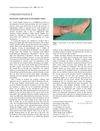 May 2002 in “British Journal of Dermatology”
 A pregnant woman's skin condition improved after giving birth, possibly due to high estrogen levels during pregnancy.
7 citations
,
January 2010 in “JAMA” This abstract highlights that preliminary results from the REDUCE trial indicate dutasteride may lower prostate cancer incidence by 23% in older men compared to a placebo.
60 citations
,
December 1988 in “Journal of Biochemical Toxicology” In this study, TCDD administered to male rats down-regulated EGF receptor in liver plasma membranes and increased protein kinase activity, suggesting EGF receptor–mediated toxicological effects.
November 2024 in “Stem Cell Research & Therapy” A new method improves the isolation of hair follicle cells for better hair growth research.
This study explored the carbohydrate composition of plasma cell membranes in human embryonic epidermis over various gestational ages and found specific patterns that may inform future diagnostic and therapeutic approaches for dermatoses.
 March 2024 in “Frontiers in reproductive health”
 This study explored how an educational intervention on reducing phthalate exposure through hair care product choices influenced the hair care practices of pregnant women of color, identifying key life stages and themes related to these practices, including cultural influences, product impacts, and individual autonomy.
54 citations
,
June 2018 in “Journal of the American Academy of Child and Adolescent Psychiatry” This narrative review presents composite cases of individuals undergoing gender-affirming care, illustrating varied outcomes without reporting new clinical results or systematic findings.
 November 2023 in “bioRxiv (Cold Spring Harbor Laboratory)”
 This study found that mature adipocytes can dedifferentiate into fibroblast-like cells, driven by PDGF and TGFβ signaling, which may play a role in wound repair and fibrosis.

The study found that conditioned medium from placental cells and sub-cultured placental tissue promoted angiogenesis in HUVECs, with early pregnancy cells showing more significant effects than those from full-term pregnancy.
 1 citations
,
June 2014 in “International Journal of Dermatology”
1 citations
,
June 2014 in “International Journal of Dermatology” This correspondence discusses follicular mucinosis in association with pregnancy but does not report new clinical results, instead calling attention to the observed connection.
 12 citations
,
May 2019 in “Stem cell reviews”
12 citations
,
May 2019 in “Stem cell reviews” In this study, fetal stem cells were identified in adult human hair follicles long after childbirth, indicating potential for autologous therapies due to their pluripotent characteristics.
6 citations
,
May 2000 in “Pediatric Dermatology” This article discusses a case study supporting the reclassification of KID syndrome as an ectodermal dysplasia, introducing a potential treatment combination that may alleviate symptoms in affected patients.
 August 2025 in “BMC Pregnancy and Childbirth”
 In this study, prenatal ultrasonography was found to be a valuable tool for screening ectodermal dysplasia during pregnancy, and a new EDA gene variant associated with X-linked hypohidrotic ectodermal dysplasia was identified, aiding in more accurate diagnoses and reproductive decision-making.
 September 2021 in “CRC Press eBooks”
 This article reviews various skin changes and conditions during pregnancy, noting that while many are normal, some can become pathologic, but it reports no new research findings.
 December 2025 in “Italian Journal of Anatomy and Embryology”
 This narrative literature review examined how linking embryonic development with non-genetic skin anomalies can improve diagnostic accuracy, guide prenatal counseling, and enrich dermatology education by revealing specific vulnerabilities in skin morphogenesis and supporting advances in regenerative medicine.
1 citations
,
January 1989 in “Carcinogenesis” This study found that dexamethasone treatment inhibited the inflammatory response and the induction of ornithine decarboxylase activity in mouse skin after TPA application, although the effect on ODC was weaker during the hyperplastic stage.
 3 citations
,
January 2018 in “Indian Dermatology Online Journal”
3 citations
,
January 2018 in “Indian Dermatology Online Journal” This study found that normal physiological cutaneous changes were the most common skin changes during pregnancy in Northeast India, while specific dermatoses were rare and not significantly influenced by ethnicity or geography.
 March 2009 in “Prenatal Diagnosis”
 This paper discusses the management of pregnancy in a carrier of the Donohue mutation and reports no new clinical findings.
28 citations
,
February 2021 in “Stem Cell Research & Therapy” This study found that conditioned medium from placental cells and sub-cultured placental tissue promoted angiogenesis in human umbilical vein endothelial cells in vitro, with early pregnancy cells having a more significant effect.

This research concluded that the novel hydrogel PlacMA, derived from human placenta and curable by visible light, shows promise for cell culture and tissue engineering applications due to its tunable properties.
 16 citations
,
May 2019 in “International Journal of Women's Dermatology”
16 citations
,
May 2019 in “International Journal of Women's Dermatology” This study reviewed and categorized dermatological drugs for pregnancy and lactation according to new FDA labeling guidelines, which replaced simplistic letter categories with detailed information, aiming to improve prescribing decisions by addressing both maternal and paternal reproductive potential.
May 2024 in “International journal of medicine and psychology.” This study explored the issue of teenage pregnancies and underage mothers, focusing on providing psychological assistance and social support, and proposed measures for prevention and support using an interdisciplinary approach within the context of state demographic policy.

This study found that new methods for isolating human dermal papilla cells were more efficient than traditional methods, maintaining higher levels of specific markers and improving the cells' research potential.
 9 citations
,
January 1997 in “Endocrine Journal”
9 citations
,
January 1997 in “Endocrine Journal” This study found a significant association between patients' sex of rearing and external genitalia in those with gonadal dysgenesis, while noting lower testosterone levels compared to controls.
 1 citations
,
July 1976 in “Archives of Dermatology”
1 citations
,
July 1976 in “Archives of Dermatology” In this correspondence, an observed pattern of significant hair shedding occurred four to six weeks after women discontinued chorionic gonadotropin and a 400-calorie diet, ruling out other common causes of telogen effluvium.
This study found that conditioned medium from human placental cells or tissue promoted angiogenesis in HUVECs in vitro, with early-pregnancy placental cells and whole placental tissue showing more significant effects.