 1 citations
,
October 2023 in “Journal of the Endocrine Society”
1 citations
,
October 2023 in “Journal of the Endocrine Society” In this case report, researchers highlight a 57-year-old HIV patient on ritonavir who developed Cushing’s syndrome from over-the-counter intranasal fluticasone, underscoring the risks of drug interactions and the importance of counseling patients about potential steroid ingredients in OTC products.
January 2022 in “Drugs of Today” 157 citations
,
April 1997 in “International journal of legal medicine” This study found that cosmetic hair treatments like bleaching and dyeing significantly reduced drug concentrations in hair samples, with decreases ranging from 30% to over 60% depending on the treatment and hair damage level.
26 citations
,
April 2006 in “Cephalalgia” Botulinum A toxin injections reduced pain and promoted hair regrowth in a woman with a rare form of alopecia areata.
6 citations
,
November 1999 in “Psychiatric services” This case report describes a woman who experienced complete but temporary scalp hair loss after a massive overdose of divalproex, suggesting a potential acute side effect of the drug.
research Hair
3 citations
,
January 2014 in “Elsevier eBooks” This article reviews the use of hair analysis in forensic and environmental toxicology for detecting potentially toxic elements and drugs, but it reports no new research findings.
 3 citations
,
July 2012 in “Hair transplant forum international”
3 citations
,
July 2012 in “Hair transplant forum international” This abstract provides no study results and appears to be an incomplete list of author affiliations related to psoriasis research.
July 2023 in “LA Referencia (Red Federada de Repositorios Institucionales de Publicaciones Científicas)” This study evaluated the resin oil of Copaifera officinalis L., identifying 64 compounds and developing validated analytical methods for quality control, and formulated a stable pharmaceutical foam, laying groundwork for potential clinical applications of copaiba oil.
 3 citations
,
January 2025 in “Scientific Reports”
3 citations
,
January 2025 in “Scientific Reports” This study found that treating asymptomatic or mild COVID-19 with cepharanthine did not significantly reduce the time to a negative test result, though 60 mg/day showed a non-significant trend needing further validation.
 November 2022 in “Journal of the Endocrine Society”
 This case study suggests that long-term treatment with buprenorphine/naloxone for opioid addiction may lead to secondary adrenal insufficiency, warranting further investigation.
29 citations
,
November 2021 in “FEBS Open Bio” In this study, molecular docking simulations and cell-based assays suggested that certain analogues of cepharanthine might possess anti-SARS-CoV-2 activity.
 8 citations
,
July 1990 in “Archives of Dermatology”
8 citations
,
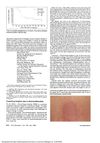
July 1990 in “Archives of Dermatology” This case report details a fixed-drug eruption in a woman linked to the use of dextromethorphan, marking it as a previously unreported skin reaction to this medication.
8 citations
,
July 2023 in “Frontiers in Pharmacology” This review highlights cepharanthine as a promising candidate for COVID-19 treatment due to its antiviral activity against SARS-CoV-2 and favorable pharmacokinetic and safety profile, but reports no new clinical results.

In this study, researchers successfully synthesized a rigid 3a-arylhexahydropentalene-1,6-dione from the easily accessible starting material cyclopent-2-en-1-one, highlighting a structural motif common in natural products and pharmaceuticals.
13 citations
,
November 2005 in “Epilepsia” This study suggests that the anticonvulsant effects of deoxycorticosterone in young rats may be mediated by its metabolites and interactions with multiple receptors, including mineralocorticoid and progesterone receptors.
 12 citations
,
December 2023 in “Journal of Applied Pharmaceutical Sciences and Research”
12 citations
,
December 2023 in “Journal of Applied Pharmaceutical Sciences and Research” In this research, caffeine's versatile pharmacological actions were highlighted, demonstrating its stimulant, bronchodilator, diuretic, and potential anticancer effects through interactions with adenosine receptors, phosphodiesterase, and renal tubules, revealing valuable insights for drug development and therapeutic applications in medicine.
 December 1998 in “Acta Crystallographica Section C-crystal Structure Communications”
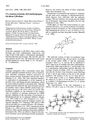
 This study describes the molecular conformation and intermolecular interactions in the crystalline structure of the compound C24H31BrO4.
 12 citations
,
August 2017 in “Pharmaceutical medicine”
12 citations
,
August 2017 in “Pharmaceutical medicine” This study found that physician knowledge of thromboembolism risk associated with cyproterone acetate/ethinylestradiol was generally high, although it varied for complex or less common topics.
 January 2026 in “Frontiers in Pharmacology”
 This review highlights the potential of wedelolactone from the plant Wedelia Chinensis, summarizing its reported pharmacological effects, including anti-inflammatory, antiviral, antibacterial, antitumor, anti-osteoporosis activities, and organ protection based on existing in vitro and in vivo research findings.
 2 citations
,
June 2020 in “AIDS”
2 citations
,
June 2020 in “AIDS” This case study describes a severe instance of iatrogenic Cushing's syndrome induced by gamma-hydroxybutyric acid, exacerbated by combined use of betamethasone and anabolic steroids, in an HIV-positive patient on cobicistat-containing therapy.
 1 citations
,
January 2023 in “bioRxiv (Cold Spring Harbor Laboratory)”
1 citations
,
January 2023 in “bioRxiv (Cold Spring Harbor Laboratory)” In this study, 60 mg/day of Cepharanthine significantly reduced the time to a negative COVID-19 test among de novo infected patients with good compliance, though 120 mg/day showed no such effect.
1 citations
,
December 2011 in “Arzneimittelforschung” This study found that the compound 9,11-dehydrocortexolone 17alpha-butyrate (CB-03-04) showed strong local antiandrogenic activity in animal models, suggesting potential for treating prostate conditions.
20 citations
,
November 2015 in “International Journal of Gynecology & Obstetrics” Among women with polycystic ovary syndrome, this study found that oral contraceptives containing 20 μg ethinyl estradiol had similar effects on androgen levels as those containing 30 μg.
 February 1999 in “Analytical Sciences”
 A new antiandrogen compound was made and its detailed three-dimensional shape was described.
May 2024 in “International journal of medicine and psychology.” This study found that ibuprofen was more effective than acetaminophen in reducing postoperative pain and inflammation after lower molar extraction, with patients experiencing lower pain scores and better reductions in inflammatory markers CRP and IL-6.
 1 citations
,
October 2017 in “Animal science journal”
1 citations
,
October 2017 in “Animal science journal” This study found that cyclophosphamide treatment in cashmere goats significantly increased cashmere yield by inducing shedding without affecting fiber length, with a 20 mg/kg body weight dose being optimal for hair removal and regrowth.
 April 2019 in “International research journal of pharmacy”
 This study found that a 50% ethanolic extract of Adiantum capillus had significant analgesic and anti-inflammatory effects in animals, particularly at the highest tested dose of 300 mg/kg.
 64 citations
,
January 1998 in “Drugs”
64 citations
,
January 1998 in “Drugs” In this study, oral dienogest combined with ethinylestradiol provided effective contraception with a Pearl Index of approximately 0.2 and improved androgenic symptoms without significant metabolic effects.
 3 citations
,
August 2017 in “Synlett”
3 citations
,
August 2017 in “Synlett” This study reports a novel method for synthesizing substituted hydantoins, including the anticonvulsant drug ethotoin, using safer reagents and fewer steps compared to conventional protocols.
6 citations
,
May 2023 in “Molecules” In this study, dry powder inhalers containing Cepharanthine were administered to rats with acute lung injury, significantly reducing pulmonary edema, hemorrhage, and inflammatory markers, suggesting its potential as an effective anti-inflammatory treatment when inhaled directly into the lungs.