 May 2025 in “International Journal of Innovations in Science Engineering and Management.”
 This study reviewed the literature on cryptorchidism in dogs and found it may be associated with dermatological issues like alopecia, with surgical intervention and cyclosporine offering partial benefit.
 January 2025 in “Frontiers in Medicine”
 This study reviews the role of hair follicles in the development, symptoms, and treatment options for vitiligo and alopecia areata, aiming to enhance understanding of their involvement in these autoimmune conditions and explore potential therapies.

This study identified a missense variant in the EDA gene of a male cat, which likely caused hypohidrotic ectodermal dysplasia, characterized by hair and teeth abnormalities; this represents the first report of such a genetic condition in cats.
 March 2024 in “Brazilian Journal of Veterinary Pathology”
 This case report reviews the clinical presentation and diagnostic evaluations of a Samoyed dog with non-pruritic alopecia, but no new results were reported.
This study used whole-genome resequencing to analyze genetic diversity and selection in 17 rabbit breeds, identifying genes linked to traits like coat color and body size, which could inform breeding and conservation efforts.
March 2024 in “Veterinary sciences” This study is the first to detail major geriatric diseases in aged Julia Creek dunnarts, particularly highlighting hormonal issues like cystic glandular hyperplasia in females and testicular degeneration in males, suggesting these conditions are linked to aging and potentially hormonal dysregulation.
 January 2023 in “Pesquisa Veterinária Brasileira”
 This study reports that hypotrichosis congenita in Hereford cattle is associated with a KRT71 mutation, leading to color dilution follicular dysplasia.
 June 2021 in “Journal of Emerging Technologies and Innovative Research”
 This article discusses the hair nutrition and growth effects of rice water and hibiscus, but reports no clinical results; it aims to understand their role in hair care.
 January 2021 in “Research journal for veterinary practitioners”
 This study evaluated a commercial topical solution with essential fatty acids for its potential effectiveness in treating skin disorders in rabbits.
 October 2020 in “Veterinary Dermatology”
 This review discusses autoimmune blistering diseases across species and highlights new treatment efficacy findings and ongoing trials, but it reports no new clinical results.
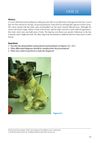 May 2019 in “Small Animal Dermatology”
 This chapter discusses a case of sebaceous adenitis in a Japanese Akita, providing educational material for students and practitioners but reports no new research findings.
 April 2018 in “Journal of Investigative Dermatology”
 The researchers reported that nicotinic acid normalized excessive sebaceous lipogenesis without affecting basal lipogenesis and suggested potential anti-acne benefits.
 November 2017 in “Deleted Journal”
 In this study, treating a rabbit with ear canker using ivermectin, pheniramine maleate, and a honey-turmeric mix resulted in substantial clinical improvement, including reduced itching and restored hair and skin quality.
April 2017 in “Al-Azhar Medical Journal” In this study conducted at Al-Azhar University Hospital, 60% of patients with localized alopecia areata responded to treatment with autologous platelet-rich plasma, with 89% of responders showing substantial improvement, suggesting PRP as an effective treatment option for this condition.
 September 2015 in “Actas Dermo-Sifiliográficas”
 This review covers skin manifestations in chronic kidney disease, highlighting their impact on quality of life, associated prognostic indicators, and available treatments, but provides no new clinical results.
 January 2015 in “Scientific Works. Series C, Veterinary Medicine”
 This study found that canine demodicosis diagnosis is complicated by the absence of typical lesions and the presence of atypical symptoms like itching and generalized erythema, challenging traditional diagnostic approaches.
 July 2014 in “Elsevier eBooks”
 The document concludes that various hypersensitivity diseases in horses can be diagnosed and treated with methods like immunotherapy and medication, and early aggressive treatment is crucial for severe diseases like equine cutaneous pythiosis.
 January 2008 in “Pratique médicale & chirurgicale de l'animal de compagnie”
 This review discusses the controversial non-inflammatory alopecia known as alopecia X, highlighting its unknown etiology and the variable effectiveness of various proposed treatments, but reports no new results.
 June 2026 in “Scholarly review .”
 This review discusses the impact of endocrine-disrupting chemicals on pediatric health, linking them to various disorders, and calls for improved biomonitoring strategies and precautionary policies.
 April 2026 in “Journal of Pharmaceutical Investigation”
 This review discusses recent advancements in nanotechnology for treating hypertrophic scarring and atopic dermatitis, highlighting the potential of nanotherapeutic platforms in enhancing therapeutic effects by modulating the skin's microenvironment.

In this study, researchers found that the keratin-associated protein 36-1 gene (KRTAP36-1) allele C is linked to variations in mean fibre curvature of fine wool in Chinese Tan lambs, suggesting its role in their distinctive curly coat.

This study reports that in Rex rabbits, age affects fur quality and hair follicle traits, with the Wnt signaling pathway playing a role in their periodic hair follicle development.
 October 2023 in “Frontiers in medicine”
 Targeted immunotherapy could be a promising new treatment for hair regrowth.
 October 2022 in “Gadua Journal of Pure and Allied Science”
 In this study, Trichophyton tonsurans and Microsporum canis were identified as the primary causes of tinea capitis, with terbinafine treatment showing the highest cure rate. Non-commercial kits surpassed real-time PCR commercial kits in specificity and sensitivity for diagnosis.
December 2021 in “Figshare” This study suggests that BBS7 is crucial for maintaining Sonic hedgehog signaling activity, which is important for periodontal ligament homeostasis under occlusal hypofunction conditions.
 March 2021 in “Research Society and Development”
 This case study described a Staffordshire Bull Terrier diagnosed with alopecia by color dilution, characterized by gradual hair loss and confirmed through clinical examination and histopathology.

This review discusses potential cosmeceutical treatments for hair loss, including ingredients like procyanidins and isoflavones, but does not present new clinical outcomes; the authors highlight the promise of further research.
 September 2010 in “Companion Animal”
 This article reviews a clinician's approach to diagnosing and managing canine alopecia and reports no new clinical findings.
 23 citations
,
January 2010 in “Journal of Medical Primatology”
23 citations
,
January 2010 in “Journal of Medical Primatology” This study found that alopecia in captive Rhesus macaques may be linked to chronic hypersensitivity dermatitis with CD4+ cell inflammation, possibly influenced by altered housing and reduced pathogen exposure.
 10 citations
,
November 2015 in “American Journal of Primatology”
10 citations
,
November 2015 in “American Journal of Primatology” This study found that rhesus macaques with inhibited or anxious temperaments had less alopecia, suggesting temperament may influence hair loss in these animals.