 98 citations
,
November 2014 in “PLoS ONE”
98 citations
,
November 2014 in “PLoS ONE” In this study, bovine testes hyaluronidase accelerated wound healing in vitro and in vivo by enhancing cellular proliferation, reepithelialization, and modulating inflammation in rat models.
 5 citations
,
July 2018 in “The Egyptian Journal of Hospital Medicine”
5 citations
,
July 2018 in “The Egyptian Journal of Hospital Medicine” This study observed that S.epidermidis was more prevalent in normal skin, whereas P.acne was more common in acne lesions among Egyptian patients; antibiotic treatments may not be the most effective for acne, highlighting alternative therapies like retinoids or lasers.
2 citations
,
November 2025 in “Plant Molecular Biology” September 2019 in “The journal of investigative dermatology/Journal of investigative dermatology” This study found that in hidradenitis suppurativa, the proteins SERPINB3/B4 and S100A7/A8/A9 were significantly overexpressed in lesional skin compared to nonlesional skin, suggesting new pathways in the disease's pathogenesis.
 1 citations
,
November 2025 in “International Journal of Clinical Pharmacy”
1 citations
,
November 2025 in “International Journal of Clinical Pharmacy” This study confirms known risks of cladribine and reveals potential new safety concerns, emphasizing the need for careful monitoring for early acute toxicity.
September 1978 in “Journal of steroid biochemistry/Journal of Steroid Biochemistry” This review discusses the antimicrobial and protective effects of hesperidin and hesperetin against various toxicities, with potential mechanisms explored, but it reports no new research findings.
7 citations
,
May 1978 in “Acta Dermato Venereologica” This case report details a 36-year-old man with atypical necrobiosis lipoidica on his face, characterized by annular lesions and prominent giant cells without clear granuloma formation.
5 citations
,
February 2013 in “PubMed” In this case study, an 11-year-old girl with a Cladosporium scalp infection showed significant improvement in hair growth and appearance after treatment with itraconazole.
 1 citations
,
September 2023 in “Applied sciences (Basel)”
1 citations
,
September 2023 in “Applied sciences (Basel)” This study found that Ishige sinicola ethanol extract and its butanol fraction can protect against lipopolysaccharide-induced muscle atrophy in C2C12 myotubes through antioxidant and anti-inflammatory activities.
11 citations
,
January 2022 in “Methods in cell biology”  March 2023 in “Journal of Veterinary Medicine and Animal Health”
 This study in Kitui County, Kenya, identified histopathological lesions due to Cordylobia anthropophaga infestations in dogs, including parasitic granulomas and eosinophilic lymphadenitis, leading to severe health effects such as emaciation and potential death.
 February 2010 in “Journal of the American Academy of Dermatology”
 Lactic acid cream can help improve skin bumps known as eruptive vellus hair cysts.
October 2025 in “Journal of Cosmetic Dermatology” In this study, researchers found that type A botulinum toxin injections can reduce hypertrophic scars effectively, though more high-quality studies are needed to confirm the precision and stability of these therapeutic effects.
 5 citations
,
January 2011 in “Journal of the Korean Association of Oral and Maxillofacial Surgeons”
5 citations
,
January 2011 in “Journal of the Korean Association of Oral and Maxillofacial Surgeons” This case report describes a 27-year-old woman who developed an epidermoid cyst in the left parotid gland following botulinum toxin injections, which was successfully treated with surgical removal.
 January 2024 in “Journal of Microorganism Control”
 In this study, researchers found that an antibacterial toner can penetrate keratin and sebum plugs and exhibits bactericidal effects against Cutibacterium acnes, as evidenced by a decrease in viable cell counts within artificial plugs inoculated with the bacteria.
 12 citations
,
November 2014 in “Bioscience, Biotechnology, and Biochemistry”
12 citations
,
November 2014 in “Bioscience, Biotechnology, and Biochemistry” In this study, the researchers successfully increased dipicolinic acid production in Bacillus subtilis by genetically modifying the spoVF operon, achieving a significant productivity improvement in the culture medium.

In this study using a mouse model, researchers utilized single-cell RNA sequencing to create a comprehensive cellular atlas of infected versus uninfected wounds, revealing that Enterococcus faecalis infections lead to immunosuppressive changes in skin cells and disrupt normal wound healing processes.
 10 citations
,
May 1978 in “Acta Dermato Venereologica”
10 citations
,
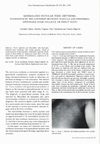
May 1978 in “Acta Dermato Venereologica” In this study, seven patients with generalized toxic erythema developed sterile pustules localized to hair follicles or sweat ducts, with most having a history of medication, solvent exposure, or infection.

This study found that Ca²⁺ signaling and peptidylarginine deiminase enzymes play a crucial role in activating neural stem cells in response to injury in zebrafish, suggesting potential therapeutic targets for CNS injuries and cancer.
 January 2024 in “Medical mycology journal”
 This study reported three cases of tinea corporis caused by Microsporum canis in a household, linked to a domestic cat, where genetic analysis suggested a familial transmission route.
January 2020 in “Turkish Journal of Dermatology” This case report describes a 9-month-old boy with zinc deficiency-related symptoms, including hair loss and diarrhea, ultimately diagnosed as acrodermatitis enteropathica and improved with zinc therapy.
 July 2021 in “Clinical Medicine”
 This article criticizes Hiner and Walters' omission of HIV and other sexually transmitted infections as potential causes of chronic diarrhea and emphasizes the importance of taking a sexual history.

This study suggests that skin tumor cells in tuberous sclerosis complex may promote hamartoma morphogenesis by expressing and releasing higher levels of cathepsin B.
January 2019 in “Galicia Clínica” This article presents a case report of a patient with multiple health conditions and persistent fatigue and dyspnea, but no definitive diagnosis was reached.
11 citations
,
October 2017 in “Mycoses” In this case report, an 80-year-old male with severe sycosis barbae and no animal contact was successfully treated with oral terbinafine after diagnostic sequencing identified Trichophyton verrucosum as the infecting species.
May 2010 in “Europe PMC (PubMed Central)” This chapter discusses the synthesis and analysis of near-infrared fluorescent activity-based probes for imaging cysteine protease activity, reporting potential benefits for disease diagnosis but noting challenges in imaging specific locations with high cathepsin activity.
 5 citations
,
December 2022 in “Toxins”
5 citations
,
December 2022 in “Toxins” This review discusses the structural properties, pharmacological effects, and clinical applications of neurotoxins on synapses, reporting no new experimental results.
 December 2023 in “Curēus”
 In this case study, a 36-year-old female with severe lupus enteritis and intestinal pseudo-obstruction showed significant clinical improvement after treatment with intravenous methylprednisolone, hydroxychloroquine, and cyclophosphamide, highlighting the complexities and challenges in diagnosing and managing atypical lupus manifestations.
3 citations
,
July 2024 in “Animals” This study reported that tail tip lesions in dairy cows include granulation tissue, purulent-necrotizing inflammation, and hyperkeratosis, potentially caused by ischemia.
4 citations
,
July 2017 in “Journal of Medical Case Reports” This case report highlights a rare presentation of acute lupus hemophagocytic syndrome with initially negative antinuclear antibodies, underscoring the higher sensitivity of the 2012 Systemic Lupus International Collaborating Clinics criteria for diagnosis.