 12 citations
,
November 2020 in “Molecules”
12 citations
,
November 2020 in “Molecules” This study found that carvone, a plant-derived compound, decreases melanin content and inhibits melanoma cell proliferation through the cAMP pathway, suggesting potential benefits for treating melanomas and other hyperpigmentation disorders.
 16 citations
,
March 2008 in “International journal of pharmaceutics”
16 citations
,
March 2008 in “International journal of pharmaceutics” This study found that formulation factors like pH, viscosity, and chemical enhancers can significantly influence intrafollicular hydrocortisone permeation in vitro, with higher pH and enhancers reducing follicular contribution.
6 citations
,
March 2023 in “Materials” In this study, researchers developed an acellular bioscaffold made from ovine tendon collagen with an antibacterial coating for treating skin wounds. They found that genipin crosslinking improves the scaffold's properties, and with plasma polymerisation, it enhances antibacterial activity, potentially benefiting wound healing.
 183 citations
,
January 2018 in “Cosmetics”
183 citations
,
January 2018 in “Cosmetics” This review discusses side effects and allergy contact dermatitis caused by essential oils in cosmetic products and reports no new clinical results.
 2 citations
,
March 2021 in “Carpathian Journal of Food Science and Technology”
2 citations
,
March 2021 in “Carpathian Journal of Food Science and Technology” This review discusses the medicinal and health benefits of caraway, Chinese chives, and cassia, focusing on their antibacterial, antioxidant, antimicrobial, anti-inflammatory, and anticancer properties due to their range of secondary metabolites.
 June 2026 in “Aesthetic Cosmetology and Medicine”
 This study reported that patients with mild to detectable androgenetic alopecia showed subjective improvement and a favorable safety profile after receiving a polynucleotide-based intradermal gel, with only one case of mild injection-site erythema noted among 60 participants over three months.
52 citations
,
January 2021 in “Journal of Thoracic Oncology” Effective vaccines and treatments are crucial for long-term COVID-19 control.
 39 citations
,
September 2016 in “Expert Opinion on Drug Delivery”
39 citations
,
September 2016 in “Expert Opinion on Drug Delivery” This review explores how colloidal drug delivery systems can enhance the stability, absorption, and bioavailability of phytochemicals, potentially rediscovering ancient compounds' therapeutic benefits and overcoming limitations like poor solubility and bioavailability.
 37 citations
,
December 2019 in “Giornale italiano di dermatologia e venereologia”
37 citations
,
December 2019 in “Giornale italiano di dermatologia e venereologia” This Italian guideline discusses the diagnosis and treatment of alopecia areata but reports no new clinical trial results; the authors highlight the need for well-designed studies.
 23 citations
,
July 2018 in “Journal of Cosmetic Dermatology”
23 citations
,
July 2018 in “Journal of Cosmetic Dermatology” This study describes a distinct pattern of trichoscopic features associated with chemotherapy-induced alopecia and how these features evolve through different phases of chemotherapy treatment.
19 citations
,
March 2016 in “Frontiers in Plant Science” This study identified that spermidine-mediated activation of eIF5A by hypusination plays a significant role in Arabidopsis thaliana growth, flowering time, stress adaptation, and development, including changing root and aerial architecture.
16 citations
,
December 2015 in “Journal of Investigative Dermatology” This study found significant gene expression abnormalities in hair follicles affected by alopecia areata, suggesting persistent changes that may predispose to future relapses even after hair regrowth.
 4 citations
,
December 2019 in “Minerva Urology and Nephrology”
4 citations
,
December 2019 in “Minerva Urology and Nephrology” This study found that patients with non-muscle invasive bladder cancer who were treated with 5-alpha reductase inhibitors had lower recurrence rates and higher recurrence-free survival rates compared to untreated patients.
 February 2024 in “Urology”
 This study found that among ten identified medications associated with ejaculatory disorders, Paroxetine and Tamsulosin were mainly linked to delayed and retrograde ejaculation, while Finasteride and Sildenafil were most associated with painful ejaculation and ejaculation failure according to reports from FDA-FAERS and Eudra-Vigilance databases.
29 citations
,
February 2021 in “Cancers” This review discusses the role of ion channels in ovarian cancer progression and chemotherapy resistance, highlighting their potential as targets for diagnosis and treatment, but reports no new clinical results.
 January 2026 in “Journal of Biosciences and Medicines”
 This research highlights the common and varied skin-related symptoms associated with chronic kidney disease, emphasizing that early recognition and multi-pronged management involving nephrology and dermatology can improve patient outcomes.
 155 citations
,
May 2016 in “Nature communications”
155 citations
,
May 2016 in “Nature communications” This study found that mouse skin CD4(+) memory T cells are in equilibrium with the circulation under steady state but increase in specific clusters in response to infection or inflammation.
45 citations
,
October 2018 in “JCI Insight” In a preclinical mouse model, this study found that early treatment with the selective SYK inhibitor entospletinib significantly improved survival rates and clinical outcomes for graft-versus-host disease after hematopoietic stem cell transplantation compared to placebo.
 8 citations
,
December 2015 in “The Journal of Physiology”
8 citations
,
December 2015 in “The Journal of Physiology” This review examines regulatory mechanisms of quiescent stem cells in tissue homeostasis, drawing on observations from the intestine and other self-renewing tissues, without presenting new data.
7 citations
,
October 2021 in “Current Dermatology Reports”  15 citations
,
February 2013 in “Pharmaceutical nanotechnology”
15 citations
,
February 2013 in “Pharmaceutical nanotechnology” This study found that invasomes enhanced the iontophoretic transdermal delivery of finasteride in rabbits, increasing AUC and T1/2 compared to oral suspension.
 10 citations
,
January 2013 in “Journal of skin cancer”
10 citations
,
January 2013 in “Journal of skin cancer” In this study, PKC ε transgenic mice exposed to ultraviolet radiation showed increased hair follicle stem cell frequency and altered gene expression compared to wild-type mice, suggesting a potential role in skin cancer susceptibility.
24 citations
,
February 2022 in “Journal of Biological Chemistry” This study found that carvacrol activates the TRPV3 ion channel by binding to a specific pocket formed by the S2-S3 linker, providing insight into its role in skin sensitization and potential for designing specific modulators.
 January 2024 in “Scientific reports”
 This study found that undiluted mint leaf extract effectively inhibited multidrug-resistant Staphylococcus aureus and killed Culex pipiens larvae, suggesting its potential as a biocontrol strategy around hospitals.
 January 2004 in “Side effects of drugs annual”
 Certain skin drugs and topical agents, including some natural extracts and fragrances, can cause allergic reactions. Some hair dyes and extensions, as well as minoxidil, a hair growth treatment, can also cause allergies. Botulinum toxin A can effectively reduce sweat but may have temporary side effects.
 14 citations
,
August 2014 in “Applied Physiology, Nutrition, and Metabolism”
14 citations
,
August 2014 in “Applied Physiology, Nutrition, and Metabolism” This study concluded that an 8-week low-starch/low-dairy diet increased fat oxidation in overweight and obese women with PCOS.
 9 citations
,
May 2013 in “JAMA Dermatology”
9 citations
,
May 2013 in “JAMA Dermatology” This report details a case of extensive leukotrichia induced by dasatinib in a patient with refractory chronic myelogenous leukemia.
 5 citations
,
January 2003 in “Oilseeds and fats, crops and lipids/OCL. Oilseeds & fats crops and lipids”
5 citations
,
January 2003 in “Oilseeds and fats, crops and lipids/OCL. Oilseeds & fats crops and lipids” This review discusses the effects of dietary protein and its components on cholesterol, essential fatty acids, and possible health consequences, but presents no new clinical findings.

This review discusses the dynamic behavior of immune cells in skin immune responses using intravital imaging in mice and reports no new clinical results.
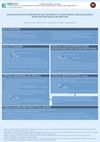
This article reviews interventions for preventing chemotherapy-induced alopecia and highlights scalp cooling as the only currently effective method, while noting its limitations and other potential options without providing new results.