 July 2023 in “Biomolecules”
 This study established a novel in vivo "whisker follicle microinjection assay" using mouse whiskers to evaluate hair growth and pigmentation effects of various chemicals and proteins, identifying minoxidil, ruxolitinib, and RSPO1 as growth promoters, while deoxyarbutin inhibited pigmentation and Nbl1 emerged as a growth inhibitor.
48 citations
,
February 2025 in “Advanced Materials” This study found that a glucose-activated hydrogel significantly improved chronic diabetic wound healing by regulating blood glucose and enhancing the wound microenvironment, achieving a threefold increase in recovery rate compared to commercial dressings.
 132 citations
,
October 1995 in “Journal of the American Academy of Dermatology”
132 citations
,
October 1995 in “Journal of the American Academy of Dermatology” This report concludes that the blend method is the most effective electrolysis technique for permanent hair removal, requiring proper technique and preparation such as shaving before treatment to increase efficacy.
8 citations
,
January 2024 in “Regenerative Biomaterials” This study found that a novel bioceramic/alginate hydrogel with photothermal properties and multiple ion release effectively reduces infection and inflammation, and enhances osseointegration in early-stage peri-implant lesions, potentially improving dental implant survival rates.
4 citations
,
December 2018 in “Zenodo (CERN European Organization for Nuclear Research)” This study reports that in vitro experiments suggest biomagnetic cross-talk between red blood cells and human hairs as a potential factor influencing RBC deformation.
January 2009 in “Acta urologica Belgica” In this placebo-controlled study, finasteride significantly improved symptoms, reduced prostate size, and increased urine flow rate in patients with moderately symptomatic BPH over two years.
41 citations
,
September 2010 in “British journal of dermatology/British journal of dermatology, Supplement” In this study, hirsute women with normal or medically normalized testosterone levels experienced similar, though declining, hair reduction from both intense pulsed light and long-pulsed diode laser treatments over six months.
 1 citations
,
February 2023 in “International journal of research - granthaalayah”
1 citations
,
February 2023 in “International journal of research - granthaalayah” This study reports that electromagnetic energy from a hydrocolloid wound dressing paste adversely affected human skin lipid droplets in vitro, but the implications, including potential cancer links, are unknown.
 June 2026 in “Drug Delivery and Translational Research”
 This study developed a spring-driven microneedle booster that improved early and cumulative delivery of minoxidil, accelerating hair regrowth compared to traditional roller methods in an androgenetic alopecia model.
 5 citations
,
February 2015 in “Journal of Bio- and Tribo-Corrosion”
5 citations
,
February 2015 in “Journal of Bio- and Tribo-Corrosion” This study found that plasma jets can effectively clean and oxidize human hair fibers, with argon/oxygen plasma having the strongest effects, suggesting potential as an alternative to peroxide treatment.
 3 citations
,
May 2011 in “Medical Hypotheses”
3 citations
,
May 2011 in “Medical Hypotheses” This article proposes that transnasal evaporative cooling could advance understanding of various physiological phenomena, but reports no new clinical results; potential research directions are suggested for this concept.
 September 2017 in “Journal of Investigative Dermatology”
 This study found that fermented mackerel oil increased hair growth by promoting dermal papilla cell proliferation and cell cycle progression through wnt/β-catenin signaling activation in vibrissa follicles.
 15 citations
,
March 2004 in “American Journal of Ophthalmology”
15 citations
,
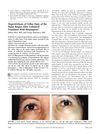
March 2004 in “American Journal of Ophthalmology” This case report found that topical bimatoprost in a female Hispanic patient with glaucoma led to increased hair growth and pigmentation in the malar region, which resolved after discontinuing use and epilation.
 42 citations
,
December 2014 in “Clinical, cosmetic and investigational dermatology”
42 citations
,
December 2014 in “Clinical, cosmetic and investigational dermatology” This review indicates that microneedle bipolar RF and fractional bipolar RF treatments offer significant improvement in acne scarring, with optimal results observed about three months after treatment.
5 citations
,
January 2025 in “Aesthetic Surgery Journal Open Forum” In this mouse study, researchers reported that sequential monopolar-bipolar radiofrequency irradiation significantly improved skin quality by increasing collagen density, elastin fiber expression, and fibroblast differentiation more than monopolar RF treatment alone.
2 citations
,
March 2024 in “Egyptian Journal of Health Care” This study found that a mindfulness-based intervention significantly reduced alopecia distress and improved body image coping and health-related quality of life among Egyptian women with breast cancer and chemotherapy-induced alopecia.
1 citations
,
April 2022 in “Journal of Biological Regulators and Homeostatic Agents/Journal of Biological Regulators & Homeostatic Agents” This study reported that among 1337 patients receiving biocompatible artificial hair implants, common side effects included mild inflammation (7%) and itching (<3%), while patient satisfaction was high at 96%, though COVID-19 may have impacted some results.
This study found that Tianqi trichogen promoted hair growth in tested animals, with no observed photoallergic reactions or significant skin allergies.
This study found that human hair follicles emit electromagnetic fields due to metabolic activity linked to S100 proteins, visualized using a novel microscopic technique with nano-sized iron particles.
 57 citations
,
July 2005 in “Genetics”
57 citations
,
July 2005 in “Genetics” In this study on Drosophila wings, researchers identified 435 genes with significant expression changes during wing hair morphogenesis, and found new phenotypes for 9 genes through functional validation.
 October 2021 in “JAAD Case Reports”
 This article discusses diabetic gustatory hyperhidrosis as a rare form of autonomic dysfunction linked to severe diabetic neuropathy and nephropathy, noting its impact on social and emotional well-being.
April 2016 in “Studies in Conservation” This paper discusses the fabrication, exhibition, and treatment history of Robert Gober's beeswax leg sculptures, reporting no new results but detailing the artworks' preservation challenges like discoloration and hair loss.
 10 citations
,
December 2017 in “Chemosphere”
10 citations
,
December 2017 in “Chemosphere” In this study, BPA rapidly increased dendritic spine and synapse densities in cultured rat hippocampal neurons, with involvement of estrogen receptors and ERK1/2 and p38 pathways, but disrupted dihydrotestosterone's effects on synaptic plasticity.
 March 2025 in “Advanced Healthcare Materials”
 In this study, a flexible adhesive self-powered wound dressing promoted skin regeneration and reduced inflammation in vivo using sound wave driving, without requiring skin bending or external devices.
 8 citations
,
June 2011 in “Nature Biotechnology”
8 citations
,
June 2011 in “Nature Biotechnology” Stem cell treatments can potentially treat baldness, with one trial showing hair growth after injecting a hair-stimulating complex, and no safety issues were reported.
 1 citations
,
March 2024 in “Skin health and disease”
1 citations
,
March 2024 in “Skin health and disease” This study found that vibration assisted analgesia reduced pain during intralesional corticosteroid therapy for hair loss, enabling treatment in a broader range of patients, including those with needle phobia.
3 citations
,
August 2018 in “Zenodo (CERN European Organization for Nuclear Research)” This study introduced a tabletop optical microscopy technique to measure the biomagnetic field reach of human hair follicles using Prussian Blue Stain with iron particles.
 63 citations
,
March 1998 in “Archives of Dermatology”
63 citations
,
March 1998 in “Archives of Dermatology” This study describes a new condition called scalp dysesthesia in 11 women, most of whom experienced symptom improvement with low-dose antidepressants.
 2 citations
,
March 2019 in “Lasers in surgery and medicine”
2 citations
,
March 2019 in “Lasers in surgery and medicine” This study found that human hair follicles demonstrated a dose-dependent response to light in an ex vivo photoepilation model, which could predict the clinical efficacy and permanency of light-based hair removal devices.