 3 citations
,
February 2021 in “Evidence-based Complementary and Alternative Medicine”
3 citations
,
February 2021 in “Evidence-based Complementary and Alternative Medicine” This study observed that oral administration of BeauTop, a Chinese herbal medicine, significantly increased hair growth indicators, including VEGF expression, hair follicles, and hair coverage in C57BL/6 mice.
 November 2022 in “Journal of Investigative Dermatology”
 This study developed a chalcone-based molecule that significantly increased tyrosinase inhibition and solubility, showing potential as a safe and effective skin depigmenting and antiaging agent, with supportive epigenetic and antioxidant properties observed in vitro.
 18 citations
,
March 2011 in “Journal of The American Academy of Dermatology”
18 citations
,
March 2011 in “Journal of The American Academy of Dermatology” Familial factors affect hair loss types in Koreans, with M type in men, L type in women, and paternal factors influencing male hair loss more.
January 2008 in “HAL (Le Centre pour la Communication Scientifique Directe)” This study identified complex regulatory elements and interactions involving the Hr gene and HR protein that are crucial for hair follicle formation and cycling in mammals.
1 citations
,
February 2025 in “Archives of Dermatological Research” Using Excimer light with topical steroids is the most effective treatment for alopecia areata.
42 citations
,
May 2009 in “Contraception” This study found that the combined oral contraceptive containing ethinyl estradiol and chlormadinone acetate was effective in reducing moderate papulopustular acne and other androgen-related skin disorders compared to placebo.
 December 2023 in “Journal of the Korean Society of Cosmetology”
 This study found that individual lifestyle factors, such as aesthetic, personality, and social orientations, positively influence appearance interest and beauty management behavior.
 January 2026 in “Forum Dermatologicum”
 This review concluded that LED-based photobiomodulation is generally safe and effective for certain dermatologic conditions, though consumer devices often show less efficacy compared to professional systems.
 May 2023 in “GSC Advanced Research and Reviews”
 This review highlights the diverse pharmacological properties of Eclipta alba, often used traditionally in Asian medicine, detailing its hepatoprotective, hair growth promoting, antidiabetic, and other therapeutic activities linked to its chemical compounds such as wedelolactone.
48 citations
,
July 1988 in “PubMed” In this study, researchers observed that rhino mice exhibit significant ductal hyperkeratinization in the meibomian gland, which may represent the first naturally occurring disorder of this gland in mice.
 December 2017 in “Journal of the American Academy of Dermatology”
 This article discusses a case of a woman with atopic dermatitis and alopecia universalis who did not respond to multiple treatments and now uses a wig and tattooed eyebrows.
 82 citations
,
May 2019 in “British Journal of Dermatology”
82 citations
,
May 2019 in “British Journal of Dermatology” This review discusses various hormones and signaling pathways involved in sebaceous gland homeostasis and their potential impact on acne pathogenesis, but it reports no new experimental findings.
221 citations
,
July 2012 in “Proceedings of the National Academy of Sciences of the United States of America” This study found that the circadian clock in mouse skin regulates cell proliferation and affects sensitivity to UVB-induced DNA damage, with potential implications for understanding human skin cancer risk.
December 2023 in “Asian journal of beauty & cosmetology”  October 2020 in “Journal of bio innovation”
 In this study, DanEra, an herbal hair tonic from Pomegranate and Beetroot extracts, showed equivalent effectiveness to the standard drug Ketoconazole in microbiological tests and provided significant relief from severe dandruff in all volunteers within 10 days.
 October 2022 in “Dermatology practical & conceptual”
 This study found that bipolar disorder is more prevalent in patients with hidradenitis suppurativa than in those with psoriasis or in control groups.
 30 citations
,
August 2009 in “Journal of the American Academy of Dermatology”
30 citations
,
August 2009 in “Journal of the American Academy of Dermatology” This study found that while bimatoprost was safe for 16 weeks, it was not effective for eyelash growth in patients with significant loss due to alopecia areata, though some with less loss experienced growth.
 3 citations
,
October 2002 in “Journal of The American Academy of Dermatology”
3 citations
,
October 2002 in “Journal of The American Academy of Dermatology” This commentary disputes Beckett et al.'s conclusion that boron exposure causes reversible alopecia, suggesting instead that alopecia areata is a more plausible cause based on patient histories and typical clinical features.
 June 2024 in “JEADV Clinical Practice”
 This study found that among placebo-treated patients in the BRAVE-AA trials, the likelihood of spontaneous hair regrowth in untreated severe alopecia areata was low, with only a small percentage achieving significant scalp, eyebrow, or eyelash hair improvement over 36 weeks.
 September 2024 in “Journal of the American Academy of Dermatology”
 In this retrospective analysis, baricitinib 4 mg was found to improve hair regrowth and was deemed effective and safe for treating severe alopecia areata in a real-world setting.
 48 citations
,
August 2018 in “Nature Communications”
48 citations
,
August 2018 in “Nature Communications” This study found that JunB, a transcription factor, is crucial for maintaining epidermal-pilosebaceous stem cell homeostasis by regulating progenitor cell behavior and preventing sebaceous gland dysfunction.
June 2025 in “Journal of Cosmetic Dermatology” This study reports two cases of bubble hair deformity in young men caused by prolonged exposure to bathroom heating lamps during showers, suggesting that maintaining a safe distance from heating devices may prevent this thermal injury to hair.
November 2024 in “Journal of Investigative Dermatology” Bimekizumab quickly improves psoriasis symptoms and skin at the molecular level.
 14 citations
,
December 2013 in “Experimental Dermatology”
14 citations
,
December 2013 in “Experimental Dermatology” The T-zone on the face has more androgen receptors and produces more oil than the U-zone.
4 citations
,
November 2024 in “Scientific Reports” This study found that bioconjugating 16-methylheptadecanoic acid to damaged human hair can mimic the protective function of the original 18-methyleicosanoic acid, effectively restoring both the hair's external structural integrity and its internal moisture balance.
 February 1996 in “International Journal of Dermatology”
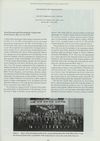
 This article offers a summary of the Seoul International Dermatology Symposium held in May 1995, but reports no new clinical findings.
February 2005 in “Journal of the American Academy of Dermatology”  75 citations
,
May 1986 in “Clinics in endocrinology and metabolism”
75 citations
,
May 1986 in “Clinics in endocrinology and metabolism” This review explores how androgens and growth hormone influence the development of terminal hairs and sebaceous glands, attributing variability in hirsutism and acne to differing genetic sensitivities to androgens, but reports no new experimental data.
 October 2018 in “International journal of clinical & experimental dermatology”
 In this pilot study, baicalin-containing serum significantly decreased hair loss and increased hair growth after two months in participants with telogen effluvium, as subjective and objective assessments showed statistically significant improvements in hair thickness and density.
May 2013 in “Optometry and vision science” This abstract provides summaries of multiple clinical reports on topics like macular holes with posterior uveal melanoma, hemolacria, trichotillomania management with bimatoprost, Demodex identification methods, and psychological factors in contact lens discomfort, but reports no new research findings.