 1 citations
,
September 2022 in “Evidence-based Complementary and Alternative Medicine”
1 citations
,
September 2022 in “Evidence-based Complementary and Alternative Medicine” In this study, Gardenia florida fruit extract promoted hair growth in vitro and in vivo by enhancing hair growth-promoting gene expression and increasing hair follicle number, size, and depth in mice.
 4 citations
,
January 2020 in “Skin appendage disorders”
4 citations
,
January 2020 in “Skin appendage disorders” This case report describes a unique presentation of frontal fibrosing alopecia characterized by a hair loss pattern that resembles the Greek letter upsilon, supported by trichoscopic and histological findings.
 August 2023 in “Journal of analytical & pharmaceutical research”
 In this study, microneedle-assisted human basic fibroblast growth factor therapy was reported to significantly improve hair regeneration in both male and female patients with androgenetic alopecia, alopecia areata, and telogen effluvium, showing greater effectiveness in males.
 3 citations
,
September 2017 in “Stem cell investigation”
3 citations
,
September 2017 in “Stem cell investigation” This review discusses the various roles of skin-resident dermal white adipose tissue in hair growth inhibition, antibacterial responses, and wound healing, reporting no new empirical findings.
1 citations
,
March 2012 in “Actas dermo-sifiliográficas/Actas dermo-sifiliográficas” Dermoscopy helps diagnose frontal fibrosing alopecia by identifying specific scalp features.
 2 citations
,
January 2019 in “Annals of Dermatology”
2 citations
,
January 2019 in “Annals of Dermatology” Certain gene variations in EGF and EGFR may increase the risk of alopecia areata in Koreans.
 2 citations
,
September 2022 in “Cellular and molecular biology”
2 citations
,
September 2022 in “Cellular and molecular biology” In this study, Agaricus bisporus derived β-Glucan particles demonstrated antimicrobial, antioxidant, and anticancer effects against cervical cancer HeLa cells, suggesting potential as a therapeutic option.
 August 2014 in “Journal of clinical & experimental dermatology research”
 This study outlines a hair regrowth treatment targeting hair follicle stem cells, 5-alpha reductase pathway, and microinflammation using PDGF and VEGF, but reports no clinical results.
 4 citations
,
August 2020 in “Facial plastic surgery & aesthetic medicine”
4 citations
,
August 2020 in “Facial plastic surgery & aesthetic medicine” This study found that combining concentrated growth factor injections with minoxidil treatment significantly improved hair growth and participant satisfaction in male patients with androgenetic alopecia compared to minoxidil alone.
 August 2013 in “Nature Reviews Drug Discovery”
 A protein called FGF9 helps regenerate hair follicles in mice after skin damage, and increasing FGF9 could potentially help human hair growth.
25 citations
,
October 2002 in “The journal of investigative dermatology/Journal of investigative dermatology” This study characterized the mouse profilaggrin gene, finding it structurally identical to its human counterpart, and noted differences in protein-coding regions that could impact epidermal differentiation.
 February 2021 in “Journal of The American Academy of Dermatology”
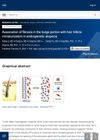
 This study observed that fibrosis occurs in the bulge region of hair follicles affected by androgenetic alopecia and is correlated with the hair miniaturization process.
 4 citations
,
April 2018 in “Biotechnology Letters”
4 citations
,
April 2018 in “Biotechnology Letters” Human growth factor 20 can boost mouse whisker growth.
February 2023 in “Journal of The American Academy of Dermatology” This study found that transgender and gender diverse patients on masculinizing hormone therapy had 2.5 times the rate of androgenetic alopecia compared to cisgender women.
 April 2018 in “Journal of Investigative Dermatology”
 This study found that Fgf20 signaling facilitates fibroblast migration and influences dermal condensate cell development during hair follicle morphogenesis by supporting cellular activities such as cell cycle exit and specific cell shape adoption.
 April 2018 in “Journal of Investigative Dermatology”
 This study found that TGFbeta is a key pathway causing age-related loss of dermal fat's antimicrobial function, suggesting that targeting TGFBR might help restore skin defense against infections in older age.
 53 citations
,
May 2010 in “Dermatologic Surgery”
53 citations
,
May 2010 in “Dermatologic Surgery” This article appears to be a table of contents or navigation page for a journal, not presenting any new findings or research results.
In this study, RNA-sequencing identified differentially expressed genes, including FGF5, FGFR1, and RRAS, that affect the hair follicle growth cycle in Inner Mongolian Cashmere goats.
July 2025 in “Journal of Drug Delivery Science and Technology” Hydrogel microneedles with special nanoparticles and growth factor improve hair growth better than minoxidil for hair loss treatment.
 5 citations
,
September 2021 in “Journal of The American Academy of Dermatology”
5 citations
,
September 2021 in “Journal of The American Academy of Dermatology” This study found a high prevalence of beard and eyebrow alopecia in male patients with frontal fibrosing alopecia, and suggests a potential link between hormonal imbalances and the condition.
 3 citations
,
November 2021 in “Journal of The American Academy of Dermatology”
3 citations
,
November 2021 in “Journal of The American Academy of Dermatology” This article discusses hormonal mechanisms underlying androgenetic alopecia but does not report any new findings; it reviews the roles of dihydrotestosterone and available FDA-approved treatments.
 14 citations
,
January 2017 in “Pharmacological Reports”
14 citations
,
January 2017 in “Pharmacological Reports” TP0427736 may help treat hair loss by blocking a specific protein and promoting hair growth.
 December 2023 in “Benha Journal of Applied Sciences”
 This review explores the link between androgenetic alopecia, advanced glycation end products, and RAGE, noting their potential role in exacerbating oxidative stress and inflammation related to hair follicle miniaturization.
 November 2020 in “Journal of The American Academy of Dermatology”
 This article comments on previous studies linking severe androgenetic alopecia to increased vulnerability to COVID-19 and highlights ongoing research into antiandrogen therapies as potential treatments.
 179 citations
,
December 2004 in “Journal of The American Academy of Dermatology”
179 citations
,
December 2004 in “Journal of The American Academy of Dermatology” This study observed that frontal fibrosing alopecia in postmenopausal women involves selective follicular inflammation, and finasteride treatment may slow disease progression, suggesting a potential androgen-related component.
 8 citations
,
January 2016 in “European Journal of Plastic Surgery”
8 citations
,
January 2016 in “European Journal of Plastic Surgery” This study found that plasma rich in growth factors was a safe and more effective treatment for androgenetic alopecia than topical minoxidil, showing greater improvements in hair growth phases.
 24 citations
,
July 2017 in “Structure”
24 citations
,
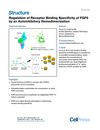
July 2017 in “Structure” In this study, researchers found that ligand homodimerization controls the receptor binding specificity of the FGF9 subfamily, preventing off-target activation of FGFR "b" isoforms.
43 citations
,
May 1999 in “Journal of Biological Chemistry” This study found that full-length Agouti protein modulates melanocortin receptor signaling through a dual mechanism involving competitive antagonism and receptor down-regulation, whereas the carboxyl-terminal fragment acts solely as a competitive antagonist.
February 2026 in “ACS Applied Materials & Interfaces” This study developed a novel treatment method using carbon dots from Cinnamomum burmannii leaves, which improved hair regeneration and thickness in an AGA mouse model by promoting cell proliferation, angiogenesis, and reducing inflammation through multiple signaling pathways.
 January 2026 in “Applied Biological Chemistry”
 This study found that Ishophloroglucin A from brown seaweed may treat androgenic alopecia by inhibiting 5α-reductase and promoting hair growth-related factors in human dermal papilla cells.