 May 2026 in “Zenodo (CERN European Organization for Nuclear Research)”
 This study identified Saponin Re and Emodin as top candidates for treating androgenetic alopecia, suggesting future research in dermal papilla cell cultures and scalp organoids despite safety concerns.
This report discusses the FDA's rejection of Aveed, a long-acting testosterone injection, due to safety concerns despite divided advisory committee opinions, without presenting new clinical data.
June 2026 in “Frontiers in Medicine” This study evaluated the 308-nm excimer laser as an adjuvant treatment for frontal fibrosing alopecia and found it may stabilize hairline recession and improve erythema and perifollicular hyperkeratosis, with transient erythema as the only reported adverse effect.
 12 citations
,
January 2016 in “Journal of Orofacial Orthopedics / Fortschritte der Kieferorthopädie”
12 citations
,
January 2016 in “Journal of Orofacial Orthopedics / Fortschritte der Kieferorthopädie” This study identified a novel mutation in the EDA gene, which may impair protein stabilization and be involved in the development of oligodontia and mild ectodermal dysplasia phenotypes.
 11 citations
,
August 2007 in “Bioorganic & Medicinal Chemistry Letters”
11 citations
,
August 2007 in “Bioorganic & Medicinal Chemistry Letters” This study found that among the tested analogs, compound 4e was the most effective in inhibiting wax esters in vivo in the Golden Syrian hamster ear model.
December 2024 in “CONICET Digital (CONICET)” This study found that the small signaling peptide RALF22 plays a key role in root hair growth response to volatile compounds emitted by Penicillium aurantiogriseum through ethylene, auxin, and photosynthesis signaling in Arabidopsis.
 1 citations
,
October 2025 in “Nano Research”
1 citations
,
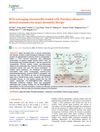
October 2025 in “Nano Research” In this study, researchers developed a dissolvable microneedle patch combining HA-TEMPO and Portulaca oleracea L.-derived nanoparticles, which effectively reduced oxidative stress and inflammation in an atopic dermatitis model while restoring immune balance, suggesting a promising treatment strategy.
 August 1995 in “Journal of The European Academy of Dermatology and Venereology”
 New therapy helps treat hair loss.
 76 citations
,
April 2005 in “Cancer Epidemiology, Biomarkers & Prevention”
76 citations
,
April 2005 in “Cancer Epidemiology, Biomarkers & Prevention” This study found that the AR-E211 A allele is associated with a lower risk of both metastatic prostate cancer and androgenetic alopecia in an Australian population.
March 2026 in “JID Innovations” In a mouse model study, researchers found that mutations in Aire reduced alopecia areata frequency, while Notch4 mutations did not lead to the disease, likely due to proximity with a resistance gene.
 February 2025 in “bioRxiv (Cold Spring Harbor Laboratory)”
 This study proposes a model suggesting that the ratio of keratin 15 to keratin 14 in epidermal keratinocytes promotes a progenitor state and opposes differentiation, based on insights from both cell culture and transgenic mouse models.
September 2025 in “Journal of the American Academy of Dermatology” 75 citations
,
January 2004 in “Molecular and Cellular Biology” In this study, EDA-A2 transgenic mice exhibited multifocal myodegeneration dependent on XEDAR, suggesting a potential role for XEDAR in skeletal muscle homeostasis.
February 2026 in “The Plant Journal” This study found that in Arabidopsis, root hair-specific proteins ADF8 and ADF11 are crucial for responding to hormonal signals like auxin and ethylene, which in turn modulate actin filament dynamics and are key for root hair growth under various environmental conditions.
July 2025 in “Journal of Investigative Dermatology” DACC-based dressings are more effective than silver-based ones for treating chronic wounds with antimicrobial resistance.
 November 2023 in “The journal of investigative dermatology/Journal of investigative dermatology”
 This study found that engineered high-affinity soluble CD200R agonists, including ARQ-234, showed superior efficacy in reducing immune responses in various preclinical models of inflammatory conditions, suggesting potential as a therapeutic for atopic dermatitis and other related diseases.
 July 2026 in “Zenodo (CERN European Organization for Nuclear Research)”
 This study evaluated Korean herbal compounds in silico and identified Biochanin A, Saponin Re, and Emodin as potential topical treatments for androgenetic alopecia, each with specific safety and efficacy considerations.
 April 2020 in “Journal of evolution of medical and dental sciences”
 This report reviews the clinical presentation and genetic aspects of a case of acrodermatitis enteropathica in a one-year-old child but provides no new clinical findings.
May 2015 in “Cancer research” This study found that persistent significant alopecia was a common side effect following FEC-docetaxel chemotherapy, with a 33.4% global incidence, highlighting the need for awareness and potential preventative measures like cooling caps during treatment.
 September 2024 in “Journal of the American Academy of Dermatology”
 This study found that estetrol (E4) significantly prolonged the anagen phase and increased hair matrix keratinocyte proliferation in cultured human hair follicles, suggesting its potential as a treatment for female pattern hair loss.
April 2025 in “Indian Journal of Paediatric Dermatology” This case report describes a 7-month-old girl diagnosed with acrodermatitis enteropathica, linked to low zinc levels, whose skin lesions improved significantly after zinc supplementation.
 89 citations
,
August 2008 in “Human genetics”
89 citations
,
August 2008 in “Human genetics” This study found that the EDAR 1540T/C genetic variant is significantly associated with hair thickness variation in Japanese populations, enhancing previously observed associations in Southeast Asian groups.
 25 citations
,
November 2022 in “British journal of dermatology/British journal of dermatology, Supplement”
25 citations
,
November 2022 in “British journal of dermatology/British journal of dermatology, Supplement” In this analysis, safety data from two clinical trials showed that baricitinib for severe alopecia areata had predictable side effects like infections and elevated CPK, with some serious adverse events noted at low incidence rates; no deaths were reported.
 9 citations
,
June 2014 in “Nutrition and Cancer”
9 citations
,
June 2014 in “Nutrition and Cancer” This study found that hydro-alcoholic Eclipta alba extract may have anticancer and multidrug resistance-reversal effects in animal models, suggesting potential as an adjunctive agent in tumor chemotherapy.
 November 2022 in “The journal of investigative dermatology/Journal of investigative dermatology”
 This study reported that IL-15 promotes human hair growth and protects hair follicle immune privilege, potentially stabilizing alopecia areata treatment outcomes when selectively stimulating IL-15Rα signaling.
July 2026 in “Journal of the American Academy of Dermatology”  2 citations
,
September 2022 in “Advances in Environmental Biology”
2 citations
,
September 2022 in “Advances in Environmental Biology” This study found that ethanolic extracts of Avicennia marina leaves showed potential antibacterial activity against Vancomycin-Resistant Enterococcus faecium but were less effective than standard antibiotics.
July 2026 in “Journal of the American Academy of Dermatology” October 2025 in “OPAL (Open@LaTrobe) (La Trobe University)” In this case study, a 10-month-old minority infant from Xinjiang, China, with acrodermatitis enteropathy caused by an SLC39A4 gene mutation showed clinical improvement and increased zinc levels following zinc supplementation, highlighting the importance of early genetic testing and customized treatment in managing the disorder.
November 2015 in “Journal of the Korea Academia-Industrial cooperation Society” This study established a stable cell line for CRF1 receptor screening, which can be used to develop functional cosmetics and modulators potentially affecting hair re-growth.