 30 citations
,
October 2014 in “PLOS ONE”
30 citations
,
October 2014 in “PLOS ONE” This study found that BAF200, a subunit of the PBAF chromatin remodeling complex, is crucial for heart development and coronary artery formation in mice, as its absence led to embryonic lethality with severe cardiac defects.
12 citations
,
July 2004 in “Molecular genetics and genomics” This study identifies a new mutation in the Scd1 gene in a strain of Kunming mice, causing skin and hair defects with the mildest impact among similar mutations.
January 2020 in “Proyecto de investigación:” This study found a significant association between AGDAC measurements and the presence of PCOS, suggesting it could be an effective clinical tool in diagnosing the condition and its phenotypes, especially when combined with AMH.
 56 citations
,
April 2015 in “American journal of medical genetics. Part A”
56 citations
,
April 2015 in “American journal of medical genetics. Part A” This study reports on eight previously unpublished cases of Bohring-Opitz syndrome with ASXL1 mutations, suggesting the importance of screening for Wilms tumors in these patients.
August 1994 in “American Journal of Veterinary Research” In this study, monoclonal antibody B72.3 showed selective immunoreactivity to specific types of normal canine epithelial cells, primarily those involved in mucin production.
April 2023 in “Journal of Investigative Dermatology” In this study, researchers developed a mouse model of scarring alopecia and observed significant reductions in CD200R expression in affected skin, potentially linking this signaling pathway to immune attacks on hair follicles and suggesting new treatment targets for scarring hair loss.

This study in a nine-year-old boy from Lebanon identified a gene mutation (c.1066dup p.(Arg356Profs*16)) associated with a rare inborn error of immunity, characterized by craniosynostosis, jaundice, and several other symptoms, expanding the known genotypic and phenotypic spectrum of this condition.
 1 citations
,
May 2011 in “Molecular Medicine Reports”
1 citations
,
May 2011 in “Molecular Medicine Reports” This study found no association between the -866G/A polymorphism in the UCP2 gene and the development of polycystic ovary syndrome.
 4 citations
,
April 2019 in “Gynecological Endocrinology”
4 citations
,
April 2019 in “Gynecological Endocrinology” This study found that the rs 1570360 polymorphism and the T-G-C haplotype of the VEGF gene may be associated with a protective factor against polycystic ovary syndrome in a Brazilian population.
January 2025 in “Repository of Digital Objects for Teaching Research and Culture (University of Valencia)” This research highlights the potential of non-coding RNAs as biomarkers and therapeutic targets in dermatology, while experimental studies on a unique GVM case suggest CCM2L may modulate disease severity, advancing understanding of genetic mechanisms in rare skin disorders.
May 2023 in “International journal of molecular sciences” This study investigated the role of the ABCA4 gene in human keratinocytes and hair follicle stem cells and found that silencing the ABCA4 gene increases the harmful effects of all-trans-retinal on hair follicle stem cells.
14 citations
,
October 2017 in “Gene Expression Patterns” This study generated a Dct-H2BGFP mouse model that allows for effective identification and isolation of melanocytic cells in vivo, facilitating research into their molecular and biological properties.
 19 citations
,
November 1971 in “Clinica Chimica Acta”
19 citations
,
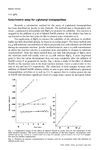
November 1971 in “Clinica Chimica Acta” In this study, the researchers found that the absence of the NFI-C transcription factor delayed the hair growth cycle in mice by affecting key gene expressions and signaling pathways.
 June 2026 in “Current Oncology Reports”
 This review highlights the potential of Sacituzumab Tirumotecan, an antibody-drug conjugate, in treating gynecologic cancers, with ongoing Phase III trials indicating a manageable safety profile and future results expected to shed light on its effectiveness in improving survival and response rates.
179 citations
,
June 2000 in “The American journal of pathology” This study reports that the asebia-2J mutation in mice affects sebaceous gland function and leads to hair follicle destruction, offering a model for human scarring alopecias.
 1 citations
,
July 2024 in “Indian Journal of Case Reports”
1 citations
,
July 2024 in “Indian Journal of Case Reports” This article presents a case study of a 16-year-old male with GAPO syndrome, characterized by growth retardation, alopecia, pseudoanodontia, and optic atrophy, who sought dental treatment for missing teeth.
5 citations
,
January 2015 in “Molecular Genetics and Metabolism” 
This research reports that transglucosylation significantly improved the water solubility of baicalin through the synthesis of baicalin glucosides, with BG1 and BG2 showing enhanced solubility and potential biological activity similar to baicalin in antioxidant and anti-glycation assays.
 1 citations
,
January 2023 in “The FASEB Journal”
1 citations
,
January 2023 in “The FASEB Journal” This study found that circAGK was highly expressed in AGA patients and promoted dermal papilla cell apoptosis, suggesting it as a potential target for treating androgen alopecia.
62 citations
,
March 2017 in “Journal of Investigative Dermatology” Mutations in the ACTB gene cause Becker’s nevi and may lead to muscle issues in Becker’s nevus syndrome.
17 citations
,
May 2007 in “British Journal of Dermatology” This case report describes a child with Gomez–Lopez–Hernandez syndrome, highlighting developmental challenges and medical interventions, yet noting academic success and participation in mainstream activities.
 1 citations
,
June 2022 in “JCRPE”
1 citations
,
June 2022 in “JCRPE” This study reports that metreleptin treatment in a boy with congenital generalized lipodystrophy significantly improved metabolic complications and overall health outcomes during the first year of therapy.
 10 citations
,
May 2007 in “Oncology Reports”
10 citations
,
May 2007 in “Oncology Reports” This study found that increased metastatic ability in colorectal cancer in a rat model was linked to changes in expression of multiple genes, including TGF-beta, PDGFb, and Rho B.
 24 citations
,
July 1994 in “Molecular Endocrinology”
24 citations
,
July 1994 in “Molecular Endocrinology” Researchers found an RNA transcript that might help control a growth factor linked to tumor development.
2 citations
,
October 2016 in “OPAL (Open@LaTrobe) (La Trobe University)” This study reports that the Swedish newborn screening program for phenylketonuria, galactosaemia, and biotinidase deficiency is effective, with high sensitivity and specificity, and lower false positive rates compared to other countries, while genetic variants impact detection and incidence patterns in Sweden.
 28 citations
,
November 2019 in “Gene”
28 citations
,
November 2019 in “Gene” This article reviews the structure and regulation of the ITGB6 gene and discusses its role in integrin αvβ6 expression, with no new experimental results reported.
32 citations
,
January 2000 in “International Journal of Cancer” In this study, the researchers observed significant down-regulation of Transglutaminase-3 expression in esophageal cancer tissues compared to normal tissues, suggesting its alteration is a common event in esophageal cancer development.
November 2024 in “NeoReviews” This case report details an extremely low-birth-weight preterm neonate presenting with unique dermatologic symptoms, leading to a diagnosis of neonatal inflammatory skin and bowel disease due to a novel homozygous EGFR gene mutation, highlighting the importance of genetic testing in ambiguous cases.
This study found that fluorescent antibody staining effectively differentiated between normal and tumor cells, with observed differences potentially linked to protein composition and developmental factors.
 1 citations
,
January 2015 in “Case reports in endocrinology”
1 citations
,
January 2015 in “Case reports in endocrinology” This case report highlights that women with nonclassical congenital adrenal hyperplasia should be aware of the risk of having a child with classical CAH if their partner also carries a severe mutation.