47 citations
,
April 2000 in “Experimental Dermatology” This study identified a novel missense mutation in the hairless gene in a Polish family, which may contribute to congenital atrichia with papular lesions by affecting the gene's function.
 15 citations
,
July 2008 in “Journal of Dermatological Science”
15 citations
,
July 2008 in “Journal of Dermatological Science” This study found that ephrin-A3 accelerates hair follicle development and increases hair follicle density in neonatal mice, suggesting its involvement in hair growth regulation.
97 citations
,
December 2011 in “New England Journal of Medicine” This article discusses the FDA's decision not to approve 5α-reductase inhibitors for prostate cancer prevention, citing an increase in high-grade tumors but no mortality evidence, and reports no new results.
September 2026 in “Apollo Medicine” In this case report, researchers observed that a 35-year-old male with alopecia universalis achieved full regrowth of scalp, eyebrow, and facial hair with oral upadacitinib treatment after previous therapies failed to provide lasting relief.
7 citations
,
February 2011 in “Journal of dermatology” This study identified a specific LIPH gene mutation (736T>A) as common in Japanese patients with autosomal recessive woolly hair/hypotrichosis, potentially indicating its role in the condition's manifestation within this population.
41 citations
,
February 2005 in “Experimental Cell Research” This study suggests that the MAEG protein may facilitate epithelial–mesenchymal interactions during hair follicle development by binding to RGD-binding integrins like α8β1.
April 2019 in “Journal of Investigative Dermatology” 29 citations
,
July 2003 in “Experimental Dermatology” This study found that in anagen hair follicles, the basement membrane zone components showed decreased expression in the lower hair bulb, with a complete absence of BP230 at the dermal papilla junction, suggesting an incomplete hemidesmosome structure in these regions.
 11 citations
,
June 2012 in “Acta histochemica”
11 citations
,
June 2012 in “Acta histochemica” This study found that Gsdma3 mutations in mice led to thicker skin and longer hair infundibula, possibly by negatively regulating β-catenin expression in the epidermis.

This study observed that TBX3 mRNA expression levels were region-specific and correlated with pigmentation patterns in dun Mongolian horses, providing insights into the genetic mechanisms behind their distinctive Bider markings.
1 citations
,
January 2015 in “The Journal of Dermatology” This letter to the editor presents a case of non-Herlitz junctional epidermolysis bullosa associated with a COL17A1 mutation and reports no new clinical findings.
22 citations
,
August 2020 in “Cells” This review discusses the role of TGM3 in skin and hair follicle biology, human tumor pathology, and genetic abnormalities, and reports no novel results; the authors highlight its potential as a cancer diagnostic biomarker.

This invention reports piperazine derivatives as potent inhibitors of type 3 17β-hydroxysteroid dehydrogenase, suggesting potential therapeutic applications in treating prostate cancer, acne, and androgenic alopecia.
12 citations
,
January 1987 in “Ophthalmic Paediatrics and Genetics” This report describes a patient with biotinidase deficiency presenting bilateral optic atrophy, and confirms autosomal recessive inheritance through enzyme dosage analysis in the patient and family members.
 January 2025 in “Dermatology Reports”
 This case report describes a 61-year-old Italian man with a rare, localized variant of junctional epidermolysis bullosa linked to the R795X mutation in the COL17A1 gene, highlighting the importance of precise diagnosis for effective management of rare genetic disorders.
 August 2023 in “Sabuncuoglu Serefeddin Health Sciences”
 This study investigated genetic markers for alopecia areata in the Turkish population, finding that the CT60 polymorphism might be linked to increased susceptibility, while no such association was found for the +49AG polymorphism; further studies are needed to confirm these findings.
16 citations
,
April 2021 in “Plant Signaling & Behavior” This study found that in Arabidopsis, the MYB30-EIN3 module plays a role in adapting root hair development to phosphate deficiency, potentially enhancing phosphate uptake from soil.
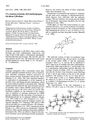 December 1998 in “Acta Crystallographica Section C-crystal Structure Communications”
 This study describes the molecular conformation and intermolecular interactions in the crystalline structure of the compound C24H31BrO4.
13 citations
,
September 2007 in “International Journal of Dermatology” This study suggests no significant association between vitamin D receptor gene polymorphisms and alopecia areata.
July 2026 in “bioRxiv (Cold Spring Harbor Laboratory)” In this study, researchers observed that TCDD exposure in mice enhanced sebaceous gland differentiation and lipid production before causing seboatrophy, providing insights into the cellular events that may contribute to chloracne pathogenesis.
 1 citations
,
May 2023 in “European Journal of Human Genetics”
1 citations
,
May 2023 in “European Journal of Human Genetics” This study observed that numerical chromosomal aberrations were more common in men with severe male factor infertility and azoospermia compared to those with other sperm quality issues, while chromosomal translocations were significantly associated with oligoasthenozoospermia, highlighting important genetic counseling considerations.
30 citations
,
August 2008 in “The journal of investigative dermatology/Journal of investigative dermatology” This study suggests that TGase 3 may contribute to hair fiber scaffolding by forming specific isopeptide bonds between keratin intermediate filaments and keratin-associated proteins.
8 citations
,
June 2020 in “The journal of investigative dermatology/Journal of investigative dermatology” This study provides definitive evidence that a homozygous mutation in the DSC3 gene causes skin fragility and hypotrichosis in humans.
February 2017 in “Cancer Research” In this study involving women undergoing taxane-based chemotherapy, a twice-daily topical application of BPM31543 was well-tolerated and showed potential in reducing severe hair loss, prompting further investigation at higher doses.
5 citations
,
May 2024 in “Developmental Cell” Lower GATA3 levels in mice help hair regrow by changing certain immune cells.
December 2022 in “Biochemical and Biophysical Research Communications” This study found that HtrA2 inactivation in mnd2 mice is associated with delayed hair cycle phases and growth retardation of adipocytes, suggesting HtrA2's role in regulating adipogenesis-related hair growth.
April 2016 in “The journal of investigative dermatology/Journal of investigative dermatology” This study reports that cannabinoid receptor type 1 may influence psoriasis development by modulating laminin-511 expression, suggesting a potential target for treatment.
 47 citations
,
April 2012 in “The Plant Journal”
47 citations
,
April 2012 in “The Plant Journal” This study found that mutations in phosphorylation sites on the PIN3 protein disrupt its phosphorylation and subcellular trafficking, affecting auxin transport and root growth in a cell-type-specific manner.
11 citations
,
May 2012 in “Genesis” This study in mutant mice found that Bmpr2 and Acvr2a are individually redundant, but together essential for normal hair follicle development, with their reduction causing rapid hair cycling and graying.
31 citations
,
July 2012 in “Journal of Lipid Research” This study found that the acyl-CoA binding protein is essential for the production of very long chain free fatty acids in the stratum corneum and maintaining normal epidermal barrier function in mice.