29 citations
,
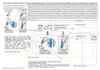
January 2021 in “Journal of nanobiotechnology” In this study, exosome-mimetic nanovesicles derived from neural progenitor cells promoted hair follicle regeneration in mice by activating the Wnt/β-catenin signaling pathway.
December 2020 in “Research Square (Research Square)” In this study, exosome-mimetic nanovesicles derived from ReNcell VM cells promoted hair growth in mice by enhancing dermal papilla cell proliferation and activating the Wnt/β-catenin signaling pathway.
August 2020 in “Research Square (Research Square)” This study found that nanovesicles derived from ReNcell VM cells promoted hair growth in mice by activating the Wnt/β-catenin signaling pathway, suggesting they may serve as an alternative to extracellular vesicles for hair growth therapy.
13 citations
,
July 2022 in “Frontiers in cell and developmental biology” This review discusses the potential of cell-derived nanovesicles as innovative treatment strategies for hair growth and provides no new clinical results; the authors emphasize the need for further understanding of their mechanisms.
1 citations
,
July 2023 in “Cytotherapy” In this study, MSC-derived magnetic nanovesicles combined with a magnetic field increased skin retention and accelerated hair follicle growth in a mouse model of hair regeneration.