Search
forResearch
5 / 1000+ resultsresearch Human hair keratin and its-based biomaterials for biomedical applications
Human hair keratin can be used in many medical applications.
research Hairless Suppresses Vitamin D Receptor Transactivation in Human Keratinocytes
This study found that Hairless (Hr) acts as a corepressor of the vitamin D receptor (VDR) in human keratinocytes, blocking the action of vitamin D on keratinocyte differentiation.
research Human Hair Keratin-Associated Proteins
This study revealed that human keratin-associated protein genes are expressed in specific patterns in hair fiber regions and vary in size, with some variations distinct across different populations.
research Characterization of sciellin, a precursor to the cornified envelope of human keratinocytes
This study identified Sciellin, a new protein precursor to the cornified envelope in keratinocytes, with unique solubility properties hinting at its potential role in envelope assembly.
Learn
5 / 34 results- Are there any risks of using keratin products too often on fragile hair? Frequent keratin treatments may add strain to fragile hair, though this is poorly measured. Heated smoothing treatments can release formaldehyde, which the FDA notes is classified as a human carcinogen.
learn Keratin
learn Thymosin Beta 4
learn Azelaic Acid
Acid used in acne and rosacea creams
learn Melatonin
Hormone that regulates sleep, sold as a supplement
learn Vitamin D
Vitamin made in the skin from sunlight, also taken as a supplement
Community Join
5 / 1000+ resultscommunity Keratin microspheres - breakthrough
A gel of keratin microspheres promotes hair follicle growth, showing similar effectiveness to minoxidil in mice. The treatment activates hair growth pathways and reduces inflammation, with potential applications in drug delivery for hair-related disorders.
community Prevention of age-related beard graying in humans by the topical application of Eriodictyon angustifolium extract
Topical application of Eriodictyon angustifolium extract can prevent and reverse age-related beard graying and darken gray hair by increasing melanin production. Sterubin, a component of the extract, also promotes hair pigmentation and protects cells from DNA damage.
community Weed/THC effects on hair growth/hair loss, and vitality of organ-culture human follicle studies (research review)
Cannabis and THC may have mixed effects on hair, with some studies suggesting potential negative impacts on hair growth in isolated hair follicles, but these results are hard to apply to living humans. Treatments like minoxidil and finasteride are commonly used for hair loss, and the effects of cannabis might be neutral or vary based on individual factors.

community Minoxidil Response Bottlenecks: Why Sulfation and Transport Matter (And Where Tretinoin Fits In)
Minoxidil's effectiveness is limited by the need for sulfation and proper transport to hair follicles, with tretinoin potentially enhancing its effects by promoting enzyme activity and keratinocyte differentiation. Tretinoin may improve minoxidil's response by boosting the expression of necessary enzymes and transporters.
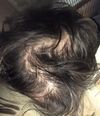
community Completely obliterated my diffuse thinning without Finasteride w/ pictures
The user improved diffuse thinning without finasteride by using minoxidil foam, cold showers, gentle hair drying, 2% ketoconazole, sulfate-free tea tree oil shampoo, dermastamping, and supplements like Omega-3, Vitamin-D, Biotin, Keratin, Collagen, B3, Zinc, and Magnesium. The regimen was followed for about six months under dermatologist guidance.
Clinics
6 / 12 results Hair Loss TreatmentsHair TransplantHuman Boost ClinicSan Miguel · PE
- Hair SystemsHuman Hair fixing CentreDurgapur, West Bengal · IN
- Hair SystemsHuman hair fixing centreBānkura, West Bengal · IN
- Hair SystemsHuman Hair Fixing CentreDurgapur, West Bengal · IN
- Hair Loss TreatmentsHuman Stem Cell Hair Growth & Hair Restoration Factory Tokyo (Ikebukuro Branch)Itabashi · JP
- Hair Loss TreatmentsHuman Dermatology Clinic Suwon Mangpo BranchSuwon · KR
Experts
— no results