55 citations
,
April 2017 in “Experimental Dermatology”
55 citations
,
April 2017 in “Experimental Dermatology” This article details laboratory methods for isolating and culturing human dermal papilla cells but provides no new experimental results.
214 citations
,
April 2017 in “Cell” This study found that micro-niches within hair follicles create heterogeneity among stem cells and transit-amplifying cells, leading to specialized progenitors that control tissue morphogenesis and regeneration.
 25 citations
,
March 2017 in “Archives of Dermatological Research”
25 citations
,
March 2017 in “Archives of Dermatological Research” This study suggests that sinapic acid may promote hair growth in human hair follicle dermal papilla cells by activating specific signaling pathways and inducing the expression of growth factors.
 22 citations
,
February 2017 in “Clinical and Experimental Dermatology”
22 citations
,
February 2017 in “Clinical and Experimental Dermatology” This study suggests that icariin promotes hair follicle growth in mice by enhancing IGF-1 expression in dermal papilla cells.
 45 citations
,
April 2016 in “Journal of Dermatological Science”
45 citations
,
April 2016 in “Journal of Dermatological Science” This study found that the Wnt/β-catenin signaling pathway activates melanocyte stem cells, promoting hair follicle regeneration both in vitro and in vivo.
 62 citations
,
February 2016 in “ACS Applied Materials & Interfaces”
62 citations
,
February 2016 in “ACS Applied Materials & Interfaces” This study found that 3D microtissue models of dermal papilla cells can enhance the ability to induce hair-follicle neogenesis in vivo, offering potential for controlled cell production in follicle regeneration.
 19 citations
,
April 2015 in “European Journal of Pharmacology”
19 citations
,
April 2015 in “European Journal of Pharmacology” This study found that dihydrotestosterone (DHT) may shorten the hair growth cycle through mechanisms like cell-cycle arrest and β-catenin downregulation in rat hair follicle cells.
 35 citations
,
February 2015 in “Experimental Dermatology”
35 citations
,
February 2015 in “Experimental Dermatology” This study found that human follicle dermal papilla cells promote survival, proliferation, and tubulogenesis of microvascular endothelial cells, highlighting their significant role in hair follicle vascular remodeling.
 184 citations
,
November 2014 in “Developmental Cell”
184 citations
,
November 2014 in “Developmental Cell” This study identifies a bipotent stem cell in adult hair follicles that self-renews and contributes to dermal sheath and papilla cell populations, potentially aiding hair regrowth after injury, disease, or aging.
 149 citations
,
July 2014 in “Cold Spring Harbor Perspectives in Medicine”
149 citations
,
July 2014 in “Cold Spring Harbor Perspectives in Medicine” This article provides contact information for Bruce A. Morgan and features no new research findings.
 10 citations
,
January 2014 in “BioMed research international”
10 citations
,
January 2014 in “BioMed research international” In this study, dermal papilla cells from rat vibrissae showed potential for treating CNS injuries by secreting neurotrophic factors and promoting neuronal differentiation more effectively than bone marrow mesenchymal stem cells.
 35 citations
,
January 2014 in “Journal of Tissue Engineering”
35 citations
,
January 2014 in “Journal of Tissue Engineering” This review discusses recent advances in the role of dermal papilla cells and adipocyte lineage cells in hair regeneration, but it reports no new clinical results.
 256 citations
,
October 2013 in “Proceedings of the National Academy of Sciences of the United States of America”
256 citations
,
October 2013 in “Proceedings of the National Academy of Sciences of the United States of America” This study found that altering cell culture conditions to form three-dimensional papilla spheroids can restore the ability of human dermal papilla cells to induce hair growth in adult skin.
 51 citations
,
August 2013 in “Journal of Investigative Dermatology”
51 citations
,
August 2013 in “Journal of Investigative Dermatology” This study demonstrated that cultured human dermal papilla cells can induce full hair follicle formation when combined with neonatal foreskin keratinocytes in a grafted dermal-epidermal construct on mice.
50 citations
,
September 2012 in “Developmental Biology” This study found that over-expressing Spry4 and Fgf10 modulates feather stem cells to alter feather morphologies in distinct ways, affecting barb branch formation and tissue structure.
 77 citations
,
July 2012 in “Journal of Investigative Dermatology”
77 citations
,
July 2012 in “Journal of Investigative Dermatology” The researchers observed that overexpression of Wnt10b in a mouse model can induce hair follicle regeneration by switching follicles from the resting phase to the growth phase via the Wnt-β-catenin signaling pathway.
21 citations
,
August 2011 in “BMB Reports” This study successfully established an immortalized human dermal papilla cell line that maintains characteristics of original cells without malignant transformation, potentially benefiting hair research.
 13 citations
,
September 2010 in “Journal of Dermatological Science”
13 citations
,
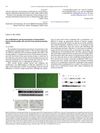
September 2010 in “Journal of Dermatological Science” Researchers made a cell line that grows quickly and can help with hair growth research.