May 2024 in “Journal of clinical medicine” This review assessed the safety of oral antiandrogen treatments for female androgenetic alopecia, finding spironolactone to be potentially safe even in high-risk populations, but indicated ongoing uncertainty regarding other medications, especially for patients with a history of gynecologic cancers.
 August 2023 in “Journal of The American Academy of Dermatology”
 This source highlights new developments in treating androgenetic alopecia, including low-dose oral minoxidil and advancements in photobiomodulation, platelet-rich plasma, and hair transplantation techniques, providing clinicians with more options.
 July 2023 in “JAAD International”
 This study describes androgenetic alopecia as a common non-scarring hair loss condition primarily influenced by genetic factors and androgen sensitivity, notably impacting psychosocial well-being, especially in females and younger males seeking treatment.
 June 2023 in “Italian journal of dermatology and venereology”
 In this retrospective study, researchers from the University of Bologna observed that trichoscopy can aid in diagnosing allergic scalp contact dermatitis, with key findings including common trichoscopic patterns of erythema, white scales, arborizing vessels, and simple red loops in 12 patients diagnosed with the condition.
April 2023 in “Dermatology and therapy” This study found a high discontinuation rate of topical minoxidil among patients with androgenetic alopecia, largely influenced by short treatment duration, lack of efficacy, and adverse effects.
1 citations
,
January 2023 in “Journal of Clinical Medicine” This paper presents the first reported case of Acute Localized Exanthematous Pustulosis linked to topical minoxidil use, suggesting a contact-induced hypersensitivity reaction as a potential mechanism.
 7 citations
,
January 2021 in “Cureus”
7 citations
,
January 2021 in “Cureus” This case report describes a 27-year-old woman who experienced facial swelling due to allergic contact dermatitis from using minoxidil 5% foam.
 8 citations
,
April 2020 in “Journal of The American Academy of Dermatology”
8 citations
,
April 2020 in “Journal of The American Academy of Dermatology” This report describes nine women who were allergic to topical minoxidil but successfully tolerated low-dose oral minoxidil without significant adverse effects, suggesting it may be a viable alternative for those with similar allergies.
 16 citations
,
December 2016 in “Skin appendage disorders”
16 citations
,
December 2016 in “Skin appendage disorders” This study analyzed patch test results to identify allergens causing scalp contact dermatitis, finding nickel, cobalt, and balsam of Peru among the most common in the patient population.
 14 citations
,
January 2015 in “Skin appendage disorders”
14 citations
,
January 2015 in “Skin appendage disorders” This case report details two women with female pattern hair loss who experienced severe scalp allergic contact dermatitis from minoxidil, one due to the active ingredient and the other due to the vehicle.
11 citations
,
July 2010 in “Dermatitis” This review discusses the side effects associated with topical minoxidil in treating androgenetic alopecia, noting propylene glycol as a common allergen and suggests alternatives for affected patients but reports no new clinical results.
 11 citations
,
April 2009 in “Pharmacotherapy”
11 citations
,
April 2009 in “Pharmacotherapy” Minoxidil can cause deadly skin reaction; monitor patients closely.
 7 citations
,
January 2009 in “International Journal of Trichology”
7 citations
,
January 2009 in “International Journal of Trichology” In this study, researchers found that dermoscopy does not provide distinguishing features for diagnosing scalp contact dermatitis from topical minoxidil compared to other causes of severe scalp itching.
 16 citations
,
January 2007 in “JEADV. Journal of the European Academy of Dermatology and Venereology/Journal of the European Academy of Dermatology and Venereology”
16 citations
,
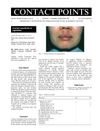
January 2007 in “JEADV. Journal of the European Academy of Dermatology and Venereology/Journal of the European Academy of Dermatology and Venereology” A man had an allergic reaction to minoxidil, which stopped after he discontinued use and started corticosteroids.
 38 citations
,
June 2005 in “Contact Dermatitis”
38 citations
,
June 2005 in “Contact Dermatitis” This case report describes a patient with an allergic sensitization to minoxidil, indicating that such patients should pursue alternative therapies to treat androgenetic alopecia.
 397 citations
,
February 2004 in “British Journal of Dermatology”
397 citations
,
February 2004 in “British Journal of Dermatology” This article reviews the mechanisms by which minoxidil stimulates hair growth and reports no new clinical findings.
 17 citations
,
November 2002 in “Australasian Journal of Dermatology”
17 citations
,
November 2002 in “Australasian Journal of Dermatology” This case report describes a 24-year-old woman with androgenetic alopecia who developed sensitivity to topical minoxidil and later to saw palmetto after using a minoxidil and retinoic acid preparation.
 17 citations
,
April 2002 in “Contact Dermatitis”
17 citations
,
April 2002 in “Contact Dermatitis” Minoxidil 5% caused skin discoloration in a man using it for hair loss.
 123 citations
,
February 2002 in “Journal of The American Academy of Dermatology”
123 citations
,
February 2002 in “Journal of The American Academy of Dermatology” Minoxidil can cause skin allergy; use alternative solvents or treatments if allergic.
 17 citations
,
May 1998 in “Contact Dermatitis”
17 citations
,
May 1998 in “Contact Dermatitis” Minoxidil can cause pustular allergic reactions on skin.
 33 citations
,
June 1995 in “Journal of Pharmaceutical Sciences”
33 citations
,
June 1995 in “Journal of Pharmaceutical Sciences” This study found that minoxidil penetration through the skin increased with higher ethanol content and occlusion, with the highest penetration observed at 90% ethanol.
 32 citations
,
May 1995 in “Contact Dermatitis”
32 citations
,
May 1995 in “Contact Dermatitis” This article reviews previous cases and reports of allergic contact dermatitis from minoxidil but does not provide new clinical findings.
 9 citations
,
January 1992 in “Contact Dermatitis”
9 citations
,
January 1992 in “Contact Dermatitis” Some people using minoxidil for hair loss developed an allergic skin reaction, often related to an ingredient that helps minoxidil work better.
 15 citations
,
October 1981 in “Archives of internal medicine”
15 citations
,
October 1981 in “Archives of internal medicine” Minoxidil can cause severe skin reactions like Stevens-Johnson syndrome in rare cases.


